

Updated September 2025: We have updated the article with the latest advancements in smart home and wearable assistive technologies, AI-powered devices, telehealth integration, indoor navigation tools, regulatory and policy updates from the World Health Organization, and new trends in user-centered design for Supported Independent Living in Perth.
Supported Independent Living in Perth: A Comprehensive Guide
As the demand for supported independent living (SIL) in Perth continues to grow, the significance of tailored care solutions cannot be overstated. According to the National Disability Insurance Scheme (NDIS), the average annualised plan budget for SIL participants is a substantial $468,100. This investment underscores the importance of effective care solutions for individuals with disabilities in the region. This comprehensive guide explores the essential components of Supported Independent Living (SIL) in Perth, providing insights into everything from housing options to future trends.
Exploring the Supported Independent Living Framework in Perth
Supported Independent Living (SIL) under the NDIS framework is designed to support individuals with disabilities in living as independently as possible. This involves providing not only physical accommodations but also personal care and life skills support tailored to individual needs. To qualify for SIL in Perth, residents must meet specific eligibility criteria set by NDIS, ensuring resources are allocated effectively to those in need.
SIL differs from other NDIS support services through its focus on providing continuous support rather than just occasional assistance. Personal care assistants play a pivotal role in SIL settings, helping with daily activities such as cooking, cleaning, and personal hygiene, enabling residents to enjoy a more self-reliant lifestyle. A notable example is of a Perth resident, James, who successfully transitioned to SIL. With the help of NDIS support, James gained new independence and confidence, illustrating the transformative impact of SIL.
Navigating SIL Housing Options in Perth
Finding the right SIL accommodation in Perth involves considering various factors, ranging from the type of housing to its location. SIL homes in Perth span shared living arrangements to single-occupancy residences, each offering distinct benefits depending on individual needs. Proximity to essential services and transport is crucial, as it can significantly impact a resident’s ability to participate actively in the community.
Assessing the accessibility features of potential accommodations is vital to ensure they meet diverse mobility and support needs. Increasingly, modern SIL environments are adopting smart home and Internet of Things (IoT) technologies, including voice-activated controls and automated lighting, to enhance accessibility and empower individuals with greater autonomy. When evaluating provider quality, track record, and service transparency, it is important to consider reports such as those from Arise Services, a leading SIL provider in Perth. A case study of an individual named Sarah highlights this evaluation process, detailing her journey through various SIL accommodations to find the optimal match for her needs.
Securing NDIS Funding for Supported Living in Perth
Understanding SIL budgets within NDIS plans is a crucial step for those seeking supported living arrangements. The application process in Perth is guided by specific protocols and timelines, with Local Area Coordinators playing a critical role in helping individuals apply for and secure funding. Although the process may seem daunting, persistent effort and a clear understanding of the system’s nuances can yield positive results.
A common scenario involves navigating the NDIS application and appealing funding decisions when necessary. Insights from Humanity Care Australia suggest meticulous documentation and professional guidance can make a significant difference in successfully securing funding. Recent updates from the World Health Organization emphasize universal access to assistive technology, focusing on affordability, user involvement, and policy development, further supporting individuals seeking SIL arrangements in Perth. See World Health Organization for current regulatory insights.
Emerging Trends Shaping SIL in Perth
The landscape of SIL in Perth is evolving rapidly, driven by transformative advances in assistive technologies. The integration of smart home and IoT devices, including automated lighting, climate controls, and voice-activated systems, is enhancing safety, convenience, and autonomy for SIL residents. Innovative wearable devices such as AI-powered smartwatches, smart wheelchairs, and exoskeletons now offer real-time health monitoring and improved mobility support, facilitating greater independence and safety. AI-driven assistive devices, including smart glasses with object recognition and context-aware hearing aids, provide more personalized support for communication and sensory needs.
Tomcare, Support Sorted
Significant progress has also been made in indoor navigation technologies. Tools using Bluetooth beacons, LiDAR, and AI audio cues have increased accessibility for visually impaired individuals, making complex indoor environments more navigable and inclusive.
Florida Reading
Telehealth services are now more closely integrated with assistive technologies, supporting access to healthcare and remote services from home. This model promotes aging in place, reduces hospital visits, and meets the evolving needs of people with disabilities.
Cognitive Market Research
Changes in NDIS policy continue to affect both providers and participants, necessitating a keen awareness of legislative shifts. According to Mordor Intelligence, the market for senior living services is projected to grow, suggesting an increase in demand for sophisticated and efficient SIL solutions in the future.
Regulatory and industry frameworks such as the World Health Organization’s Global Report on Assistive Technology (2022) provide guidance on policy, innovation, affordability, and inclusion—core areas shaping SIL best practices worldwide.
The Business Research Company, Assistive Technology Industry Association
Another important trend is the growing adoption of user-centered design and inclusive development in assistive technologies. Developers are involving users with disabilities early in the product design process, resulting in solutions tuned to real needs and driving higher rates of adoption. The mainstreaming of accessibility features in consumer electronics is also expanding social participation and empowerment.
In summary, supported independent living in Perth offers a diverse range of options tailored to individual needs, backed by substantial NDIS funding and support. The introduction of advanced assistive technologies, AI and telehealth integration, and the adoption of global best practices are leading to more responsive, inclusive, and empowering environments. As the landscape continues to evolve, staying informed about emerging trends, regulatory frameworks, and provider options will be crucial for maximizing the benefits of SIL arrangements. For those seeking a reliable transition to independence, being well-versed in the intricacies of the local SIL framework is invaluable. According to Data Insights Market, tailored solutions that adapt to the changing needs of the population will be key to sustaining and enhancing SIL in the region.
Supporting Aging in Place: A Practical Option
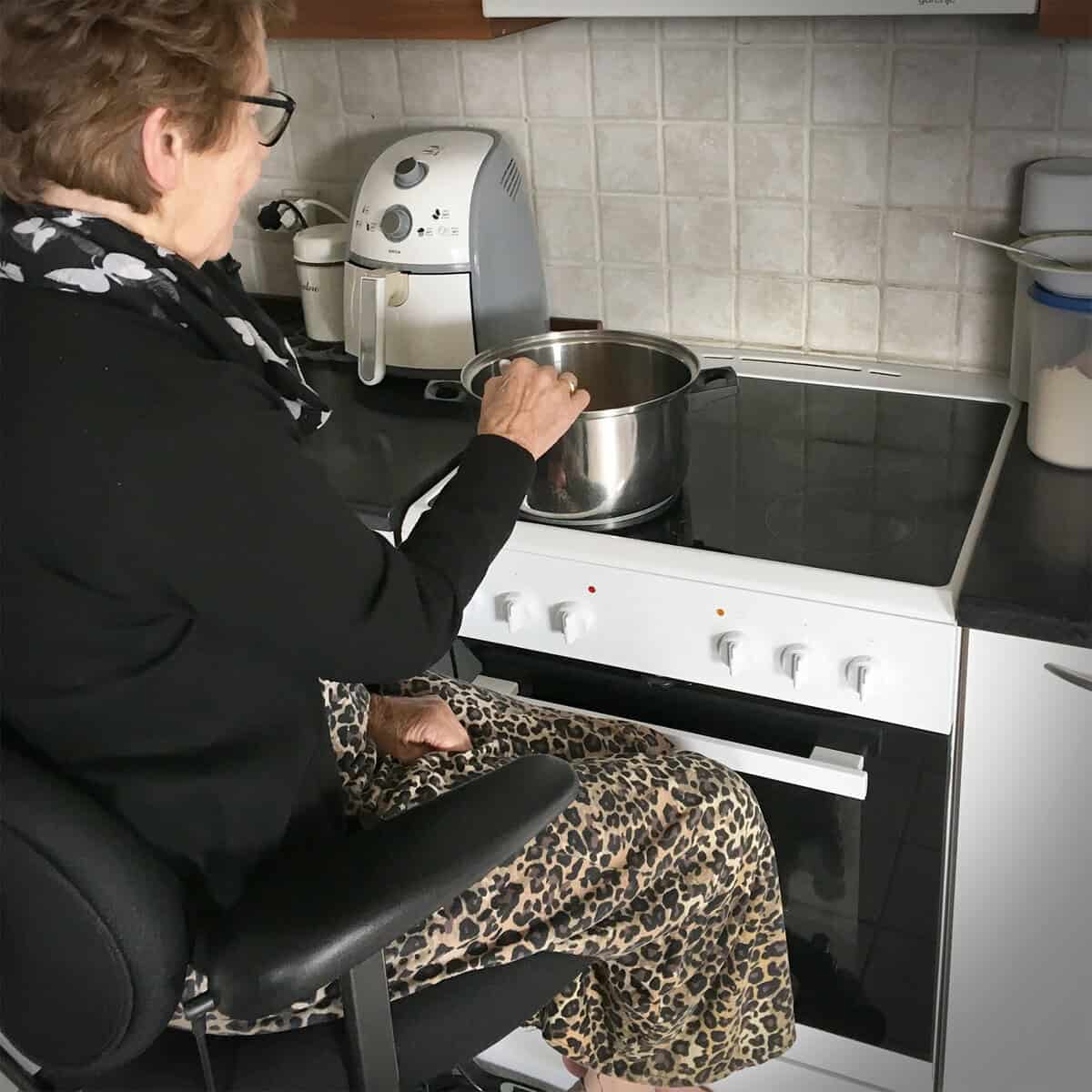
For many older adults, remaining in the comfort of their own home is a preferable option to relocating to a nursing facility. Mobility solutions like the VELA Independence Chair play an essential role in supporting this choice by addressing common challenges associated with aging in place. The chair features a central brake system for enhanced safety, electric height adjustability to facilitate easy transfers, and smooth maneuverability for use during daily activities such as cooking or working at a desk. With these features, individuals can maintain their independence and safety at home, potentially delaying the need for nursing home care. While the VELA Chair is one of many solutions, its proven effectiveness in reducing caregiver burden and supporting dignified, autonomous living makes it a compelling option for those looking to age in place comfortably. Explore more about how mobility aids can support independent living.