

Updated September 2025: We have updated the article to reflect recent advancements in assistive technology, including AI-powered mobility aids, smart home integration, wearable communication devices, and regulatory adaptations supporting independent living. The update incorporates new research on market growth drivers and highlights the evolving role of technology in supporting autonomy and safety for people with disabilities and older adults.
Supported Independent Living Service Agreements: A Comprehensive Guide
Supported Independent Living (SIL) is a vital service designed to help individuals with disabilities achieve a higher degree of independence while receiving necessary support. SIL service agreements are foundational to creating a structured, clear arrangement for both individuals and service providers. According to the National Disability Insurance Scheme (NDIS), over 30,000 Australians benefit from SIL services annually, underscoring their essential role in disability support.
What Makes Supported Independent Living Essential?
Supported Independent Living (SIL) refers to housing arrangements that facilitate independent living for individuals with disabilities, whether in shared housing or living alone, tailored to one’s specific needs. The goal is to enhance autonomy while ensuring necessary assistance for daily tasks such as personal care, meal preparation, and community engagement. SIL specifically caters to individuals with higher support needs, ensuring a balanced approach to daily living and promoting skill development, as noted in NDIS guidelines. Recent years have seen a rapid expansion of assistive technologies within SIL, including AI-powered devices and integrated smart systems that further boost independence and user engagement.[1]
Key Elements of Effective SIL Service Agreements
Effective SIL service agreements are crucial for ensuring smooth operation and clarity for all parties involved. Key elements typically include:
- Definition of Services: Detailed descriptions of services such as personal care assistance, housekeeping, and community access.
- Financial Terms: Transparent breakdowns of costs, covering monthly fees, entry fees, and any additional charges.
- Rights and Responsibilities: Clearly outlining the obligations for both the individual and the service provider, promoting a mutual understanding.
Service agreements can be broken down into various types, such as:
- Type A (Life Care): Offers long-term care with predictable costs.
- Type B (Modified): Includes certain healthcare services.
- Type C (Fee-for-Service): Focuses on paying for services as needed.
Navigating Financial Aspects of Supported Independent Living
Understanding the financial framework of SIL agreements is as essential as understanding the services provided. Costs often encompass entry fees, monthly service charges, and responsibilities for rent and utilities. These financial commitments are typically supported by various funding sources such as government programs like the NDIS, state health departments, or private insurance. As reported by Leap In, effective management of these costs, particularly through NDIS funding, can significantly alleviate financial burdens for individuals and their families. The growing demand for SIL is driven by an aging population and increasing rates of chronic health conditions, which continue to expand the range of available assistive technologies and funding models.[4]
Crafting and Managing Individual Support Plans
The success of SIL greatly depends on well-developed individual support plans that are person-centered and adaptable to change. These plans focus on personal goals and desired outcomes and are created collaboratively with service coordinators who oversee their effectiveness. For example, Liam, a young adult, experienced substantial benefits from adjustments to his support plan as his independence grew, allowing him to engage in new personal endeavors. Recent advancements now enable support plans to incorporate data-driven approaches and AI-powered assistants, which enhance personalization and adaptiveness for each individual.[2]
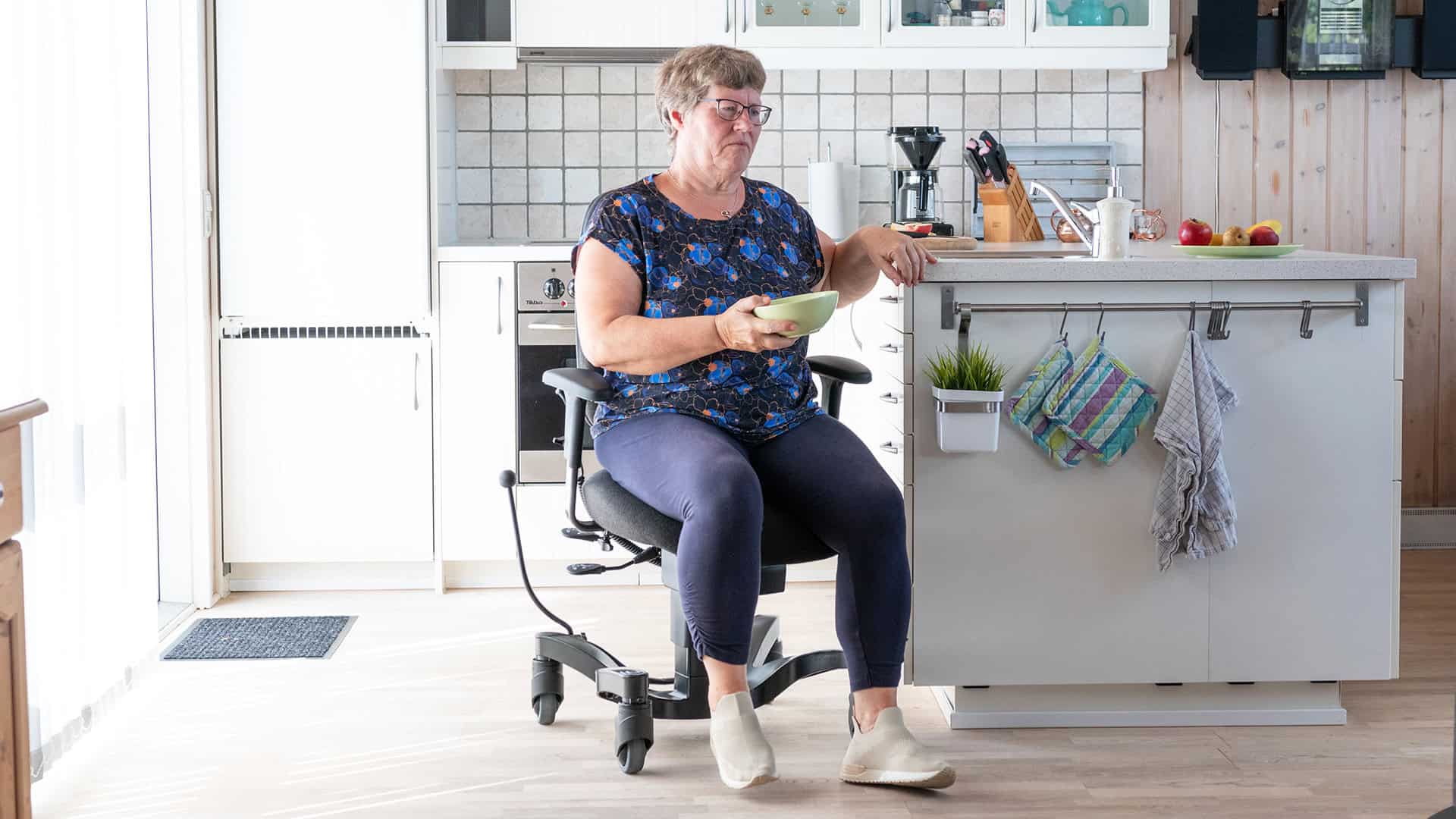
Enhancing Independence with VELA Mobility Chairs
Transitioning to SIL can offer a more independent life, but challenges remain, especially for older adults or those with reduced mobility. Nursing homes often seem like the only option, but innovative solutions such as VELA mobility chairs can support independent living at home. Designed for residential use, the VELA Independence Chair is medically approved to increase safety and mobility. It provides secure and easy movement while seated and supports daily activities like cooking or dressing, reducing the dependency on informal caregivers and aiding in personal transfers. Newer generations of assistive devices also include AI-powered smart prosthetics, wearable communication aids, and sensor-driven fall prevention systems, all contributing to improved outcomes for SIL users.[5]
Supporting Aging in Place: A Practical Option
Innovative approaches like the VELA Independence Chair are transforming how older adults live independently at home. With features such as a central brake for added safety, electric height adjustability for ease of transfers, and smooth movement while seated, VELA chairs can significantly extend the period seniors spend at home before needing nursing care. In environments where safety and energy conservation matter, these chairs help with daily tasks like cooking or relaxing, presenting valuable support for aging in place. Preventing Falls with Mobility Chairs is crucial, and VELA provides a practical, proven solution – though not the only one available – that enhances dignity, freedom, and safety. The trend toward integrating smart home devices, remote health monitoring, and real-time communication aids further promotes aging-in-place, addressing both physical safety and social connectivity for seniors.[3][6]
References
- Cognitive Market Research, “Assistive Technology Market Report 2025: Latest AI and IoT integration details”
- LetsEnvision, “The Future of Assistive Technology & AI Assistants in 2025”
- Market.us/Accessibility.com, “Assistive Technology Statistics and Innovations 2025”
- Next Market Supply Chain, “Disabled and Elderly Assistive Device Market 2025–2030”
- Connsense Report, “13 CES 2025 Award-Winning Assistive Tech Innovations”
- Innocation CSUN 2025 Conference Highlights, “Top 5 Assistive Technologies”
- StartUs Insights Technology Trends 2026, “Gerontechnology, AI, and Digital Health for Longevity and Independence”