

Updated February 2026: We have updated the article with the latest research on AI-integrated mobility aids, including autonomous navigation in smart wheelchairs, advanced wearable devices such as smart glasses for low vision, expanded daily living skills training with multimodal and neural interfaces, new CES 2026 innovations for accessible transport and situational awareness, and updated market and accessibility policy trends.
Empowering Independence Through Adaptive Strategies
Teaching independent living skills to special needs populations, especially the elderly, is crucial for enhancing autonomy and improving quality of life. These skills form the foundation for self-sufficiency and empowerment. According to a study by the National Institutes of Health (NIH), programs like the Pre-Employment Independent Life Education Program (PILEP) have been effective in increasing knowledge and skills among young adults with intellectual disabilities, showing significant improvements (*p* < .05; η² = 0.94).
Understanding Independent Living Skills for Special Needs Populations
Independent living skills are essential competencies that enable individuals with special needs to manage personal affairs and live autonomously. Key areas include self-care, budgeting, meal preparation, social interaction, safety, and transportation. A systematic review by Sage Journals underscores their importance in achieving post-school success for youth with disabilities.
Consider an elderly individual with cognitive impairments learning to budget to manage their fixed income. Successfully budgeting enhances their ability to make informed financial decisions, fostering greater independence.
Evidence-Based Methods for Teaching Independent Living Skills
Evidence-based instructional methods such as community-based instruction (CBI), simulated role-play, and family collaboration aid in acquiring independent living skills. For example, a program utilizing role-play to teach daily living skills to students with autism saw marked success. The Research and Training Center on Disability in Rural Communities confirms fostering self-determination and autonomy boosts overall needs satisfaction.
Recent advancements now support hands-on training with a range of high-tech solutions: users and caregivers increasingly leverage smart wheelchairs with AI-powered navigation and obstacle avoidance, as well as adaptive controls like sip-and-puff systems, eye-tracking, and voice-command interfaces for everyday devices. Progress in AI prosthetics and neural interfaces is now introducing new opportunities for hands-free operation and predictive health monitoring, supplementing traditional life skills instruction with powerful real-world autonomy supports.[1], [3], [8]
Integration of Daily Living Skills in Home Care Settings
Home care settings allow for teaching independent living skills through adaptive strategies and personalized care plans. Adaptive technologies and assistive devices enhance independence and quality of life. The landscape for assistive devices now includes AI-driven smart wheelchairs featuring autonomous navigation with lidar-based obstacle detection, real-time health and posture monitoring, voice and gesture controls, and integration with mobile apps for route planning and maintenance alerts. Recent models such as LUCI and Adventus Robotics offer extended safety and pressure monitoring, while all-terrain options like XSTO X12 provide robust navigation features, including stair-climbing capabilities. Wheelchair attachments like WheelMove offer long-range mobility, extending the practical range for users.[1], [3], [4], [8]
Brain-computer interface (BCI) prosthetics, wearable exoskeletons, and AI-driven neural bridges are now being piloted to enhance intuitive control and recovery for mobility-impaired users. Modern sensory devices, such as AI-powered iSee smart glasses, provide real-time environment descriptions, obstacle detection, object or facial recognition, navigation aids, and live translation for those with low vision, helping users interact more independently with the world.[1], [8] New CES 2026 entries like MaaS-Bridge have improved accessible public transportation interfaces, and SEERU sensors support enhanced situational awareness for mobility-impaired individuals.[3] Inclusive ergonomic innovations, such as touchless beauty application systems, and technology that retrofits traditional wheelchairs with smart functionality, further broaden residential independence options.
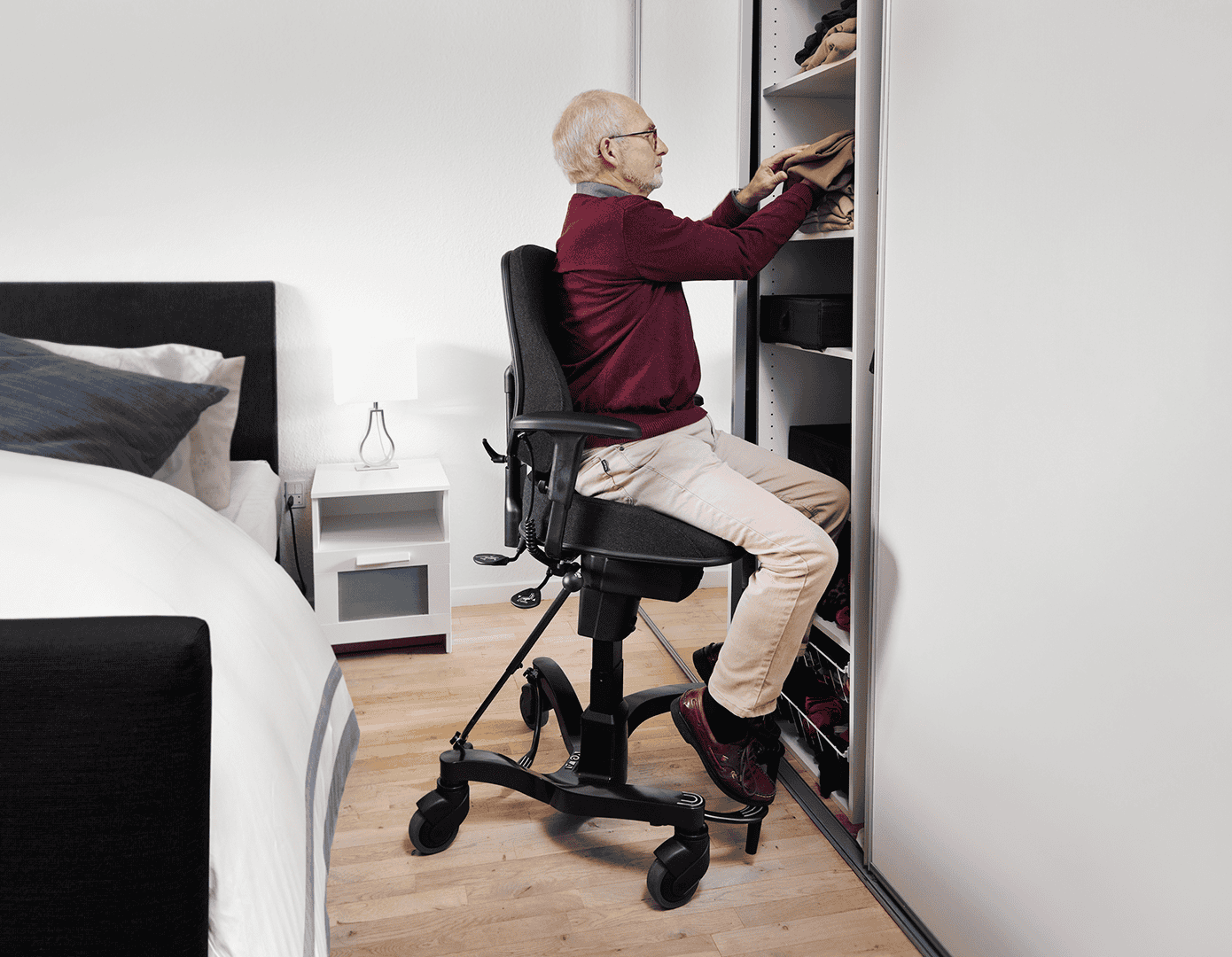
Additionally, supportive living aids such as these promote safety and self-reliance by offering features like adjustable height and ergonomic design. Recent best practices combine behavioral strategies with assistive tech, and now emphasize the importance of multimodal wearable interfaces and mobile app-integrated systems. Emerging devices focus on discreet, non-stigmatizing design to encourage confidence, while AI guardrails and policy improvements are making accessibility requirements stronger and more standardized.[3], [8]
Evaluating the Effectiveness of Life Skills Training Programs
Evaluating life skills training programs involves assessing improvements in autonomy, competence, and quality of life. Feedback from participants and caregivers refines programs to meet individual needs. An example involves a program that, after participant feedback, adapted teaching methods for better outcomes. EBSCO Research Starters highlight integrating personal finance, hygiene, and social skills into programs preparing individuals for independent living.
Current evaluation now considers the adoption and effectiveness of AI-powered mobility aids and multimodal wearables in promoting user engagement. Life skills training increasingly incorporates real-world practice with smart devices and app-based feedback, using tools such as sip-and-puff, eye-tracking, and voice or neural controls. Funding channels have expanded, with new toolkits and pilot programs—especially around CES innovations—helping to facilitate access. Market growth for mobility aids is strong, with a projected 34% market share by 2025 and continued expansion into 2026, making new solutions more readily available to those in need.[1], [4]
Conclusion: Empowering Independence Through Adaptive Strategies
Teaching independent living skills to special needs populations requires personalized, adaptive approaches, especially in home care. By using evidence-based methods and incorporating solutions like VELA chairs, up-to-date AI-driven technologies, and accessible multimodal interfaces, the independence and quality of life for individuals with disabilities continue to improve. Authoritative sources like the NIH, latest market studies, and CES 2026 technology reports now demonstrate how these strategies and devices empower users, furthering their participation in society. Continued advancements—including robust accessibility policies and increasing funding for both commercial and trial-phase tools—support a more inclusive environment with a wide choice of adaptive solutions.[3], [1], [4], [8]
How Mobility Solutions Like VELA Make a Difference
Mobility solutions such as the VELA Independence Chair play a crucial role in helping individuals stay independent longer in the comfort of their own homes. Its features specifically address common challenges faced by the elderly, such as ensuring safety with a central brake, facilitating easy movement within the home with electric height adjustability, and simplifying daily tasks like cooking or cleaning. Alongside these, modern AI-powered mobility aids now offer advanced capabilities—autonomous navigation, multichannel control (voice, gesture, app), pressure and posture monitoring, and seamless integration with wearables (such as smart glasses for real-time guidance).[3], [1], [8] These developments—combined with ergonomic design—further support daily independence and safety. New options such as mobility aids with stair-climbing and extended battery ranges, and CES-featured app platforms for seamless transit, help delay the need for institutional care and foster sustained autonomy at home. By using a VELA Chair or integrating the latest assistive technologies, individuals can maintain dignity, freedom, and safety, significantly enhancing day-to-day quality of life. As the market continues to evolve, options for independence become ever more diverse and accessible to support the aging process.
Updated sources (2026):
- Mobility Management, “CES 2026: 4 Assistive Technology Exhibitors to Watch” – https://mobilitymgmt.com/ces-2026-4-assistive-technology-exhibitors-to-watch/
- Ability Montana, “Exciting Assistive Technology for People with Disabilities” – https://abilitymt.org/blog/assistive-technology-people-disabilities
- Market.us, “Assistive Technology Statistics and Facts (2026)” – https://media.market.us/assistive-technology-statistics/
- Accessibility.com, “Accessibility Trends to Watch in 2026” – https://www.accessibility.com/blog/accessibility-trends-to-watch-in-2026