

Updated September 2025: We have updated the article with new findings on AI-powered assistive devices, smart home automation, advanced wearable health monitors, telemedicine, and the importance of ergonomic and adaptive design for seniors. Recent trends emphasize seamless integration of these technologies to promote autonomy, safety, and aging in place.
Teaching Independent Living Skills for Seniors: Promoting Autonomy and Quality of Life
Addressing the critical need for teaching independent living skills to the elderly is paramount as it fosters autonomy and improves their quality of life. In settings like home care, assisted living, or independent living communities, imparting these skills helps maintain independence among older adults. According to NCBI Bookshelf, Activities of Daily Living (ADLs) refer to the fundamental skills required for individuals to independently care for themselves.
Understanding Independent Living Skills for Older Adults
Independent living skills enable seniors to live with dignity and independence. These skills encompass both ADLs, such as bathing, dressing, and meal preparation, and Instrumental Activities of Daily Living (IADLs) like managing finances and medications. Programs like the Age Ready Series are designed to empower older adults to maintain autonomy in their daily lives by teaching these essential skills.
Consider the story of Maria, a 78-year-old participant in local skill-development programs. Through targeted sessions, Maria was able to master the art of meal preparation and basic dressing. This not only bolstered her independence but also instilled a newfound confidence and sense of control over her life, exemplifying the transformative impact of teaching independent living skills.
Core Activities of Daily Living (ADLs) and Instrumental ADLs (IADLs)
ADLs include essential tasks such as bathing, dressing, and toileting, whereas IADLs cover more complex activities like managing finances and medication. According to StatPearls, these are critical for sustaining independence but often become challenging with age. Successful interventions often involve collaboration between family members and caregivers to support the development of these skills.
For example, May, an elderly woman, effectively navigates her day-by-day with the help of her caregiver, performing ADLs such as bathing and dressing, while receiving support for IADLs like meal preparation and healthcare management. This collaborative approach ensures that seniors continue to live as independently as possible.
Assessment Tools: How Needs Are Identified and Tracked
Utilizing assessment tools like the Lawton IADL scale is pivotal for identifying and tracking the needs of older adults. This tool assists in pinpointing areas requiring assistance and is integral for designing personalized care plans. According to the Health in Aging Foundation, the Lawton IADL scale provides objective data essential for targeting rehabilitation needs.
In a case study involving a 75-year-old gentleman named Jim, the Lawton IADL scale was employed to identify difficulties with medication management and transportation. By recognizing these challenges, a specific intervention plan was devised, incorporating occupational therapy sessions that enhanced his skills and confidence in managing these tasks independently.
Effective Methods for Teaching Independent Living Skills
Teaching independent living skills effectively involves a combination of cognitive, physical, and combined interventions. Research on Effective Interventions reveals that tailoring these interventions based on individual needs and preferences fosters a safe and independent life. Programs that integrate these approaches have demonstrated significant improvements in the skills and confidence of seniors.
With the rapid advancement of assistive technology, seniors now benefit from tools including AI-powered assistants, smart home devices, telemedicine platforms, and advanced wearable health monitors. AI assistants offer real-time information and support, controlling the environment with voice commands and providing medication or appointment reminders with reduced cognitive load. Modern smart home environments seamlessly integrate fall detection sensors, automated lighting, adjustable climate control, and remote health monitoring systems, all designed to improve safety and ease of daily activities. Telemedicine services have expanded, allowing seniors to access healthcare professionals from home, facilitating ongoing medical care without the barriers of travel. Wearable devices monitor vital signs continuously, enabling preventive care and immediate alerts in emergencies.
These developments have been identified as significant trends that empower older adults to sustain independence and safely age in place. For more on these trends, consult Heisinger Bluffs, ButterflyMX, and Cognitive Market Research.
For instance, George, a senior enrolled in a program focused on digital literacy and medication management, benefited from the combined approach, which not only bolstered his technological skills but also improved his autonomy in managing his health. Modern digital literacy programs now address interaction with smart technology, AI-driven devices, and telehealth solutions to support independent living.
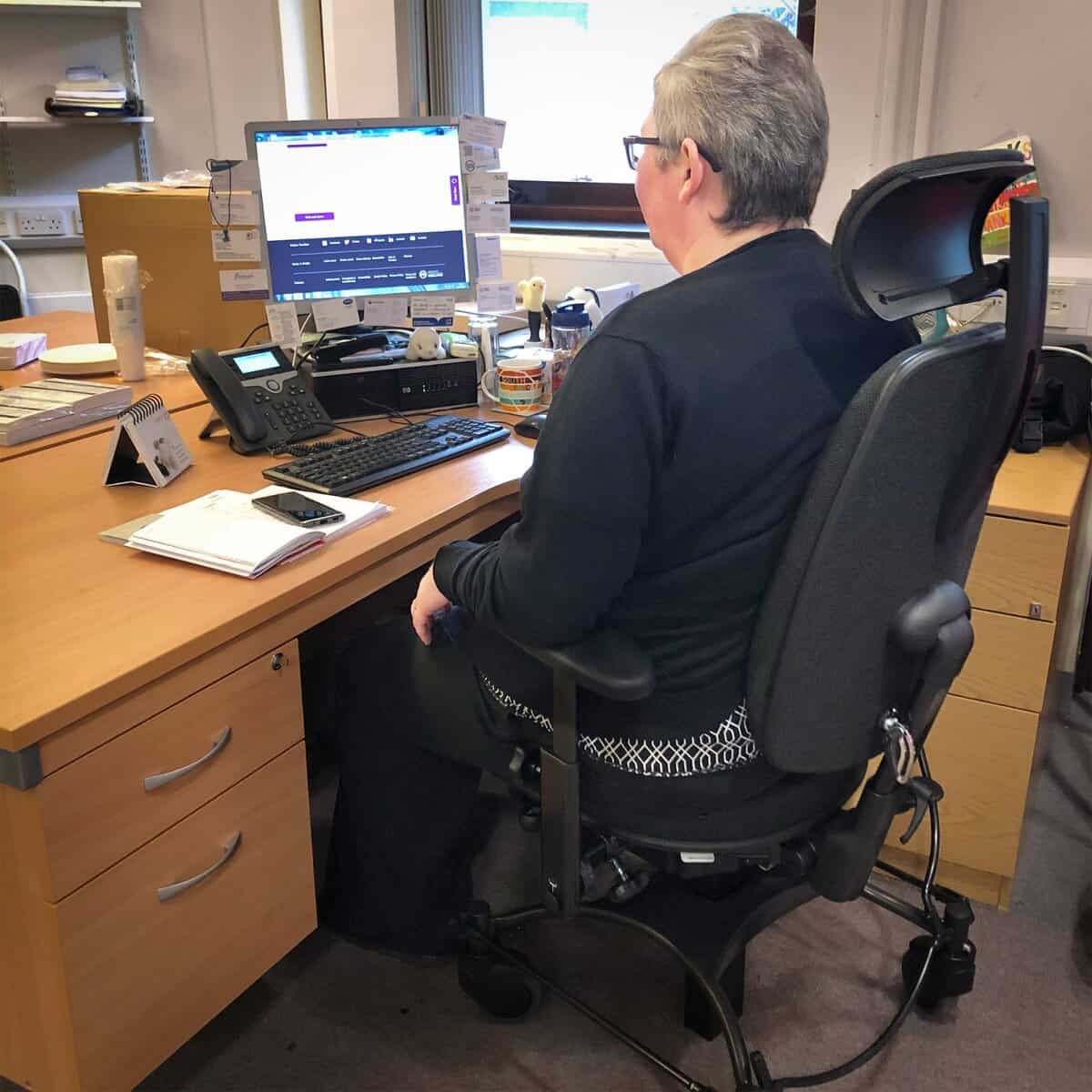
In many instances, staying comfortable and secure at home rather than moving to a nursing facility requires more than just supportive environments and practiced skills. Here, the VELA Independence Chair offers a practical solution. It is a medically approved mobility chair designed for use at home, providing enhanced safety and freedom of movement while seated. The VELA Chair supports daily activities such as cooking, dressing, or transferring, all while reducing the load on informal caregivers. New advances stress the importance of ergonomic and adaptive design, influenced by artificial intelligence and user input, to produce devices tailored to individual abilities and physical requirements Next MSC, LetsEnvision.
The Importance of Teaching Independent Living Skills
Teaching independent living skills is vital for sustaining senior autonomy and enhancing their quality of life. By utilizing assessment tools like the Lawton IADL scale for personalized care plans and implementing effective interventions that account for cognitive and physical elements, a strong foundation for a safe and independent life is established. Moreover, leveraging assistive technologies and tailored approaches enable both caregivers and seniors to foster an environment that encourages independence and self-reliance. Recent shifts post-pandemic highlight the rising role of aging-in-place solutions and integrated technology for both health and daily living tasks. Updated regulatory frameworks and data security measures now ensure safer, quicker access and greater adoption of assistive devices for senior care Standards Sunrise Foundation, Market.us.