

Updated September 2025: We have updated the article with new findings on AI-enabled assistive devices, user-centered ergonomic design, the impacts of COVID-19 on service delivery, and recent advances in technologies for independent living, including smart wearables, remote health monitoring, and integrated social participation tools.
Discovering The Forum Independent Living
The landscape of senior living is evolving, and The Forum independent living communities exemplify this transformation with a community-centric approach that balances personal autonomy alongside supportive services. These communities offer a seamless blend of independence and security. With over 59 million adults aged 65 and older in the U.S.—a demographic representing nearly 18% of the population, according to America’s Health Rankings—the need for innovative living solutions becomes increasingly critical.
Understanding the Spectrum of Senior Living Options
Differentiating between senior living options is paramount for making informed choices regarding long-term care. Unlike assisted living, which focuses on providing personal care and support, independent living communities such as The Forum prioritize a lifestyle centered on self-sustainability with access to community amenities. The Forum encompasses a continuum of care enabling residents to transition from independent to assisted living as health needs evolve, ensuring comprehensive care at each stage. This proactive approach to senior care echoes the overarching philosophy at The Forum Health & Wellness.
Key Features of Quality Independent Living Communities
Quality independent living communities, like those at The Forum, boast a range of amenities that enhance life quality. Essential services include restaurant-style dining, wellness programs, and vibrant social activities tailored to enrich residents’ daily lives. The Forum at Town Center in Oregon, for instance, features on-site rehabilitation services and an array of social clubs to foster physical and social well-being (The Forum at Town Center). Real-life examples, such as seniors participating in art classes or group trips, illustrate how these communities nurture engagement and enrichment.
Recent advancements in assistive technology have further empowered independent living by providing devices and platforms that are personalized, responsive, and adaptive. The latest innovations include AI-enhanced smart prosthetics and robotic limbs, wearable communication aids that convert speech disabilities into real-time audible speech and visual displays, and smart glasses with AI-powered real-time environmental descriptions for visually impaired residents. These technologies, supported by user-centered ergonomic design, ensure that residents experience greater autonomy in day-to-day activities and enhanced comfort in their living environments (Cognitive Market Research 2025, LetsEnvision 2025, ConnSense Report 2025, First Aid for the Blind 2025).
Financial Planning for Independent Living Transitions
Financial planning is critical when considering a move to independent living. Variables to consider include location, amenities, and the services provided. The Forum offers competitive pricing, with monthly rates starting at $2,300 in Oregon, covering most essential living expenses (The Forum at Town Center). Seniors like Mary, who transitioned smoothly to The Forum following comprehensive financial planning, highlight how tailored financial advice can facilitate this move, providing peace of mind concerning affordability and lifestyle.
Additionally, recent regulatory adjustments—prompted in part by service interruptions during the COVID-19 pandemic—have increased accessibility and flexibility in acquiring assistive devices and remote health monitoring services. This enables residents and their families to plan for both short-term needs and long-term independence while adjusting to new healthcare delivery models (Cognitive Market Research 2025).
Social Engagement Opportunities in Independent Living
Maintaining social connections is crucial for senior wellness, and The Forum excels in offering myriad social activities that foster community engagement. Activities such as art classes, movie nights, and group trips at The Forum create a lively community environment that deters loneliness and promotes mental health (The Forum Cupertino). For example, seniors like John, who joined a local book club and craft classes, discovered new friendships and renewed purpose, demonstrating the power of social engagement in enhancing life quality.
Today’s advanced assistive technologies have made participation in community events and group activities more accessible, with multi-modal platforms that support speech-to-text translation, real-time sound captioning, and multilingual communication. Devices such as wearable speech converters and AI-integrated smart glasses can significantly improve social interaction and inclusivity within independent living communities (ConnSense Report 2025, LetsEnvision 2025).
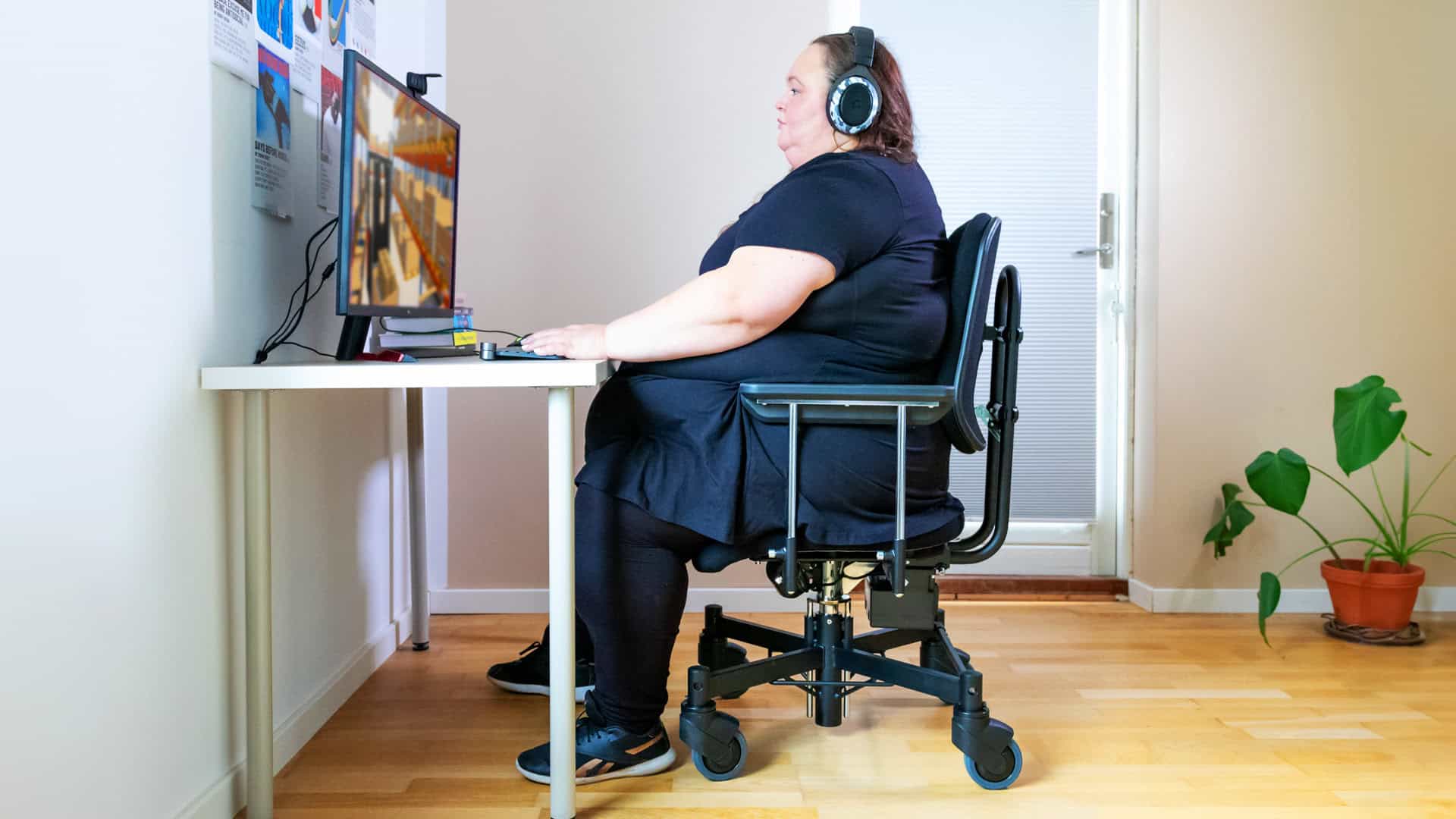
As we discuss the challenges faced by individuals in nursing homes, it’s crucial to highlight innovative solutions that allow older adults to retain independence in their own homes. An excellent example is the VELA Independence Chair, a medically approved mobility chair that significantly enhances a senior’s ability to move freely and safely while seated. This chair supports essential activities such as cooking, dressing, or transferring from one place to another, reducing the physical burden on informal caregivers. By incorporating such solutions, older adults can potentially avoid or delay transitioning to nursing homes, enjoying greater autonomy and safety in their everyday lives.
Supporting Aging in Place: A Practical Option
How VELA Chairs can help people stay independent longer at home speaks directly to the needs highlighted in discussions of independent living. The VELA Chairs are engineered to enhance independence by addressing key challenges such as mobility and safety. With features like a central brake for stability, electric height adjustability, and easy movement while seated, these chairs empower seniors to manage daily tasks with minimized risks.
Imagine the difference—the struggle of navigating household chores without adequate support versus the ease of performing activities like cooking or cleaning with a supportive mobility aid. VELA Chairs help maintain dignity, offering freedom and safety, while conserving energy for other pursuits. Not the sole solution available, this proven option exemplifies how smart mobility solutions can substantially impact senior independence, effectively reducing caregiver burden and promoting an enriched home life. More insights on these mobility solutions tailored for seniors can be explored through resources like Senior Mobility Solutions.
Emerging Trends in Rehabilitation and Community Integration
The latest rehabilitation practices now increasingly involve virtual and augmented reality environments to enhance both motor skills and cognitive engagement for seniors living independently. These multi-modal interventions, combined with user-centered and ergonomic device design, are fostering higher satisfaction rates and greater adoption of assistive technology among residents (Journal of Visual Impairment & Blindness 2025).
Ongoing advances in devices and service models—driven by feedback from leading conferences and independent living communities—continue to prioritize inclusivity, ease of use, and seamless connection to educational and employment opportunities. These trends reflect a shift from isolated assistive solutions toward holistic, integrated platforms that enable freedom and community participation (CSUN Assistive Technology Conference 2025, Helen Keller Services Tech Blitz 2025).