

Updated September 2025: We have updated the article with new findings on advanced assistive technologies, including AI-powered wearables, robotic prosthetics, and immersive rehabilitation tools. The article now highlights integrations such as smart glasses, sensor-driven prosthetics, and multimodal aids that further enhance independence and quality of life for seniors at The Mansions at Gwinnett Park.
Embracing Independence at The Mansions at Gwinnett Park Senior Independent Living
As the demand for engaging and supportive living environments for seniors grows, The Mansions at Gwinnett Park Senior Independent Living stands out as a premier choice for those seeking to maintain their independence while enjoying a vibrant community atmosphere. Located in Lawrenceville, Gwinnett County, Georgia, this community offers an enriched lifestyle tailored for active seniors.
Discovering The Mansions at Gwinnett Park: A Hub for Active Seniors
The Mansions at Gwinnett Park epitomizes what many seniors seek: a welcoming atmosphere, combined with modern amenities and design. This community is situated in a picturesque setting, offering both tranquility and accessibility to local attractions. According to The Mansions’ official site, the community fosters an environment where seniors can thrive through active engagement and meaningful social interactions. Residents consistently praise the welcoming staff and the thoughtful design of the residences. One resident noted, “We have such a friendly and outgoing group here,” highlighting the community’s commitment to a vibrant social network.
Understanding Eligibility and Resident Profile at Gwinnett Park
For those considering The Mansions at Gwinnett Park, it’s essential to understand who the community serves best. Designed for adults aged 55+, it caters to healthy, active seniors seeking a maintenance-free lifestyle with rich amenities. Their eligibility criteria focus on individuals who value independence but appreciate adaptive facilities, such as those living with mild arthritis. As reported by Gwinnett Magazine, the community’s comprehensive approach to care includes support for common health concerns like hypertension or diabetes.
Comprehensive Amenities and Services at The Mansions
The heart of The Mansions lies in its extensive amenities designed to enhance daily living. Residents enjoy gourmet dining options, housekeeping services, and complimentary transportation—all included in their living package. On-site wellness programs and social activities are integral to daily life. According to the Mansions Senior Living site, residents engage in group fitness classes, savor chef-prepared meals, or socialize over coffee. This dynamic environment promotes both physical health and emotional well-being, enabling residents to lead fulfilling lives.
Financial Insights: Understanding Pricing and Contracts
Financial clarity is crucial when considering a move to senior independent living. The Mansions at Gwinnett Park employs a straightforward lease-only model, avoiding the large buy-in fees other communities might require. As explained by A Place for Mom, their transparent pricing encompasses housing, utilities, meals, and activities under a single monthly fee, providing predictability and peace of mind for residents.
Enhancing Independence with Advanced Assistive Technology
Recent advancements in assistive technology are transforming the ways in which seniors maintain their independence at home and within communities like The Mansions at Gwinnett Park. AI-powered wearable devices, such as Meta Ray-Ban smart glasses and Naqi Neural Earbuds, now provide users with real-time environment descriptions and seamless interaction for navigation and daily activities, without the need for touch or voice commands.[1][5] These hands-free tools significantly improve autonomy and safety for residents with varying mobility needs.
Innovative tools like robotic prosthetics, including sensor-driven legs and knees, offer natural movement and better support for those with amputations or mobility challenges.[2] AI-based speech and communication aids, such as wearable speech converters, allow for enhanced communication between residents and staff or peers.[3] Multimodal assistive solutions now combine visual, auditory, and haptic feedback to address many types of impairments, ensuring a higher standard of usability and comfort.[1][6]
Therapeutic and rehabilitation practices at leading communities also increasingly employ virtual and augmented reality tools for mobility training and immersive therapy. These technologies promote greater independence and engagement among residents, supporting the transition toward aging in place with dignity.[3][6]
Adaptive Equipment for Daily Living
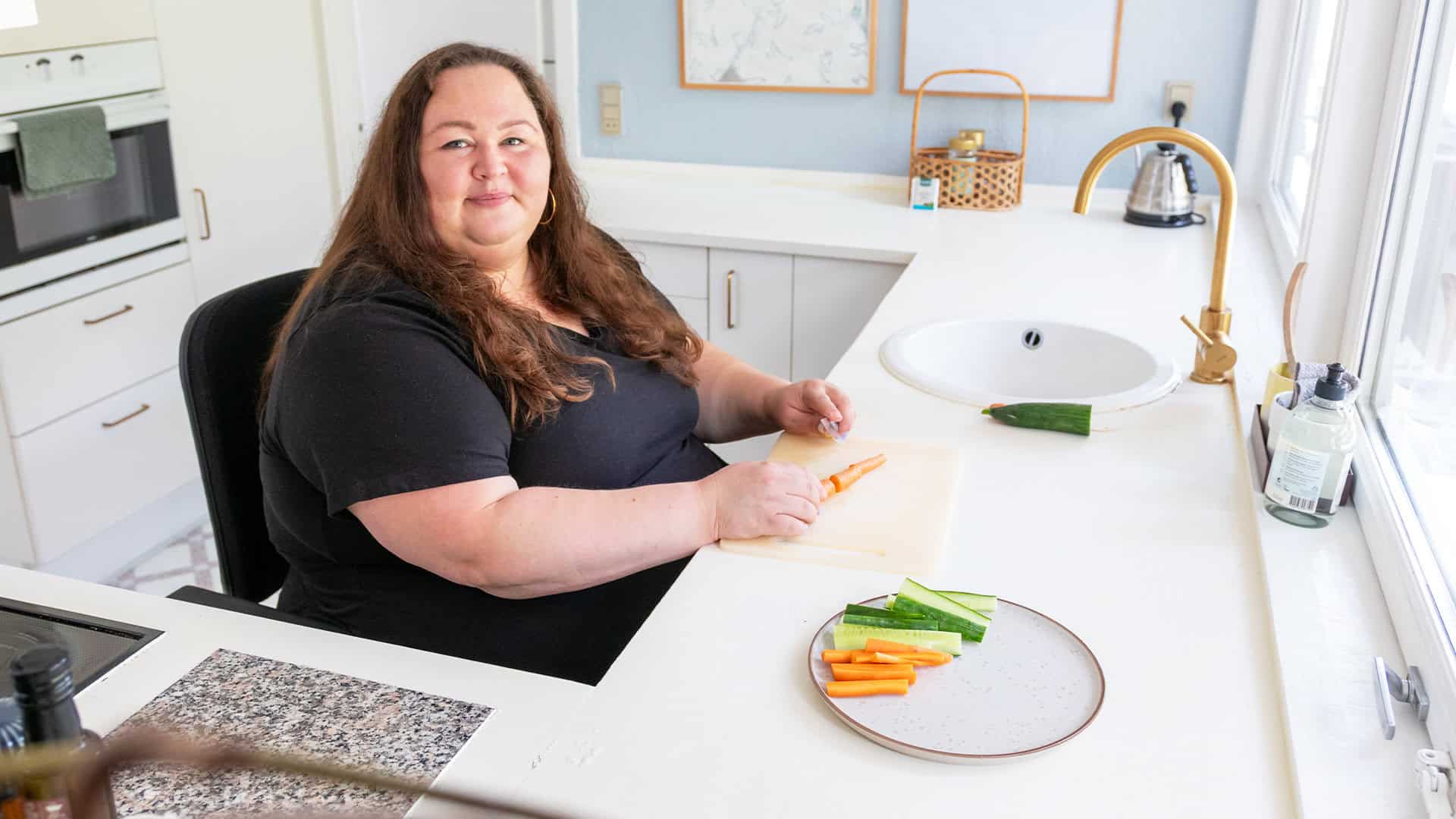
Addressing the challenges faced by older adults in maintaining independence, many are seeking solutions that support autonomy at home. These solutions aim to prolong the independence of seniors living alone or with family, reducing the need for nursing home care. One such viable solution is the VELA Independence Chair, a medically approved mobility chair that enhances safety and freedom. It is designed for home use, supporting daily activities such as cooking, dressing, and transferring while reducing strain on informal caregivers. Tools for Independent Living like VELA offer enhanced mobility and secure features such as height-adjustable seats and central brakes.
Reducing Caregiver Burden Through Smart Seating
In the quest to maintain independence at home, mobility solutions like VELA Chairs have emerged as significant aids. These chairs are equipped with features essential for safety and everyday activities—such as a central brake to prevent accidental movement, electric height adjustment for easy transfers, and ease of movement while seated. By addressing common challenges like safety and energy fatigue, they can delay the need for nursing home care. Life with a VELA Chair includes easier cooking, cleaning, and relaxing, contributing to a safer and more independent lifestyle. While VELA is just one option among many, its practical design and proven track record make it a valuable tool in supporting seniors’ dignity and freedom at home. For more insights, visit Senior Chair Solutions, offering a close look at how similar aids support daily senior life.
These chairs not only help seniors live independently longer but also provide relief to families and caregivers by minimizing the assistance needed in daily routines. This blend of dignity, safety, and independence is invaluable in today’s aging landscape.
Expert opinions and regulatory advancements
The evolution of assistive technology is driven by a focus on user-centered and inclusive design, with direct feedback from people with disabilities ensuring greater effectiveness and comfort.[1][4] New policies and clinical guidelines increasingly support the adoption and reimbursement of these advanced solutions, allowing more residents at The Mansions at Gwinnett Park and similar communities to access integrated, state-of-the-art assistive devices.[6][7] Experts highlight a shift from single-function devices towards cohesive systems that combine AI, environmental sensors, and wearable technology, further extending the opportunities for seniors to thrive independently.[1][2][6]
Sources
- Let’s Envision blog on future assistive technology trends and AI assistants for sensory disabilities (2025)
- ConnSense Report covering CES 2025 award-winning assistive innovations like Bio Leg and Bling AI speech wearable (Feb 2025)
- Innocaption summary of assistive technologies presented at CSUN 2025, including AI-powered visual interpreting and wearable captioning devices (Mar 2025)
- Helen Keller Services Tech Blitz 2025 showcasing breakthrough assistive devices for DeafBlind and visual impairments (2024-2025)
- First Aid for the Blind’s August 2025 update on Meta Ray-Ban Live AI smart glasses and other devices enhancing mobility and information access
- American Foundation for the Blind’s Journal of Visual Impairment & Blindness 2025 special issue call highlighting innovations in wearable assistive devices, VR/AR, and navigation aids (upcoming November-December 2025)
- Assistive Technology Industry Association (ATIA) resources and conferences delivering current best practices and technologies (ongoing, 2025)