

Updated February 2026: We have updated the article with the latest advancements in AI-powered assistive technology, including integration of smart wearables, adaptive user-centered design, and mainstream adoption trends driven by CES 2026 innovations. The article now reflects enhanced AI-enabled support tools, inclusive product trends, and updated best practices for resilient assistive technology delivery in luxury independent living settings.
A Seamless Transition to Luxurious Independent Living with Watercrest
With a growing preference among seniors for luxurious living environments, independent living communities like Watercrest are gaining increasing popularity. These establishments cater to older adults who wish to maintain their independence while enjoying a range of amenities and support services. According to the National Institute on Aging, “Independent living communities are designed for older adults who can live on their own but want access to amenities and support services.” Watercrest offers this ideal blend of autonomy and support, extending its services across multiple states, showcasing its extensive reach and credibility in the senior living market.
Understanding Watercrest’s Unique Approach to Independent Living
Watercrest’s philosophy of “sophisticated simplicity” stands at the core of its approach to independent living, fostering an environment that enhances resident autonomy while offering top-tier amenities. The LifeBUILT environments within Watercrest communities are specifically designed to support independence, providing maintenance-free living and allowing residents to engage in daily activities without the stress of household chores. For instance, residents at Watercrest Buena Vista benefit from community facilities such as a fitness center and library, enjoying personal freedom while remaining engaged in their interests (Caring.com). According to the U.S. Department of Housing and Urban Development, these communities promote socialization, amenities, and activities tailored specifically for older adults.
Signature Amenities and Lifestyle at Watercrest Communities
Watercrest communities are synonymous with resort-style luxury, offering features such as spas, fitness centers, and fine dining experiences. Places like Spa W provide wellness programs and therapeutic services that enhance residents’ quality of life. Imagine a resident at Watercrest Richmond, basking in the Southern-style outdoor spaces and engaging in various wellness activities designed to promote health and well-being (Seniorly). According to the AARP, independent living facilities such as these grant unparalleled freedom, often including private accommodations with access to dining and housekeeping services.
Recent technological innovations now play a significant role in enhancing both lifestyle and independence within luxury communities like Watercrest. The landscape has evolved to incorporate AI-powered assistive technologies, such as AI-enhanced screen readers, predictive typing tools, and voice-controlled home systems. Wearable devices, including smart glasses and haptic vests, offer real-time environment description, facial recognition, and spatial orientation support, bringing new levels of autonomy and safety for residents with visual, mobility, or sensory impairments. Expanded mainstream use of inclusive devices—like sip-and-puff systems for those with limited hand movement and FM listening systems for improved audio access—makes daily living more accessible and tailored. At Watercrest, AI robotics and adaptive devices showcased at CES 2026 are increasingly adopted, establishing advanced accessibility as a standard expectation in luxury independent living.
Sources: ThinkBeyondTheChair.org, Let’s Envision Blog, Cognitive Market Research, JVIB Special Issue, Envision, InnoCaption, American Foundation for the Blind (AFB), Double Tap on Air, CES.tech, ATIA
The Financial Landscape of Choosing Watercrest Independent Living
Choosing Watercrest for independent living involves understanding its comprehensive financial structure. Monthly fees cover a myriad of services and amenities, with rates reflecting the luxury status of these communities. For instance, prospective residents considering Watercrest at Kingwood are provided with a detailed financial breakdown, enabling informed decisions (Integrated Senior Lifestyles). The American Seniors Housing Association notes that fees for independent living can range significantly, yet Watercrest’s offering stands competitive in the luxury sector by delivering high-value service coupled with premium facilities.
It is important to recognize that technology investments are increasingly embedded in these services, supporting resident comfort and autonomy. Recent years have seen the expansion of AI-driven personalization, including adaptive support devices that learn and respond to individual needs, such as predictive health monitoring, voice control for home automation, and AI-aided medication management. Wearable technologies are now routinely integrated, supporting mobility, communication, and daily living, while resilient service delivery models shaped by the COVID-19 pandemic ensure continuity of assistive technology provision for aging populations.
Sources: Cognitive Market Research, ICCHP
Transitioning to and Thriving in Watercrest Independent Living
Making the move to a Watercrest community involves strategic planning and often downsizing to ensure a smooth transition into the community. New residents benefit from an integration process that facilitates ease in establishing connections, both within the community and with their family and friends. For instance, a resident may quickly find comfort in the welcoming atmosphere at Watercrest Kingwood, forming new friendships and maintaining connections with loved ones (Seniors Housing Business). Insights from the same source highlight current trends in independent living transitions, emphasizing personal connections and community integration as vital components for a successful transition.
Recent research highlights the increased adoption of mainstream assistive tools and a stronger emphasis on including resident preferences in the selection and customization of technology. User-centered design ensures devices like AI-driven communication supports, haptic wearables for rehabilitation, and personalized mobility aids are both effective and adaptable. The expansion of collaborative service delivery methods post-pandemic allows for more resilient support, with assistive technology ecosystems evolving to meet both clinical and personal needs in independent living.
Sources: JVIB Special Issue, Envision, ICCHP, EdTech Magazine
Enhancing Independence with VELA Chairs in Watercrest Communities
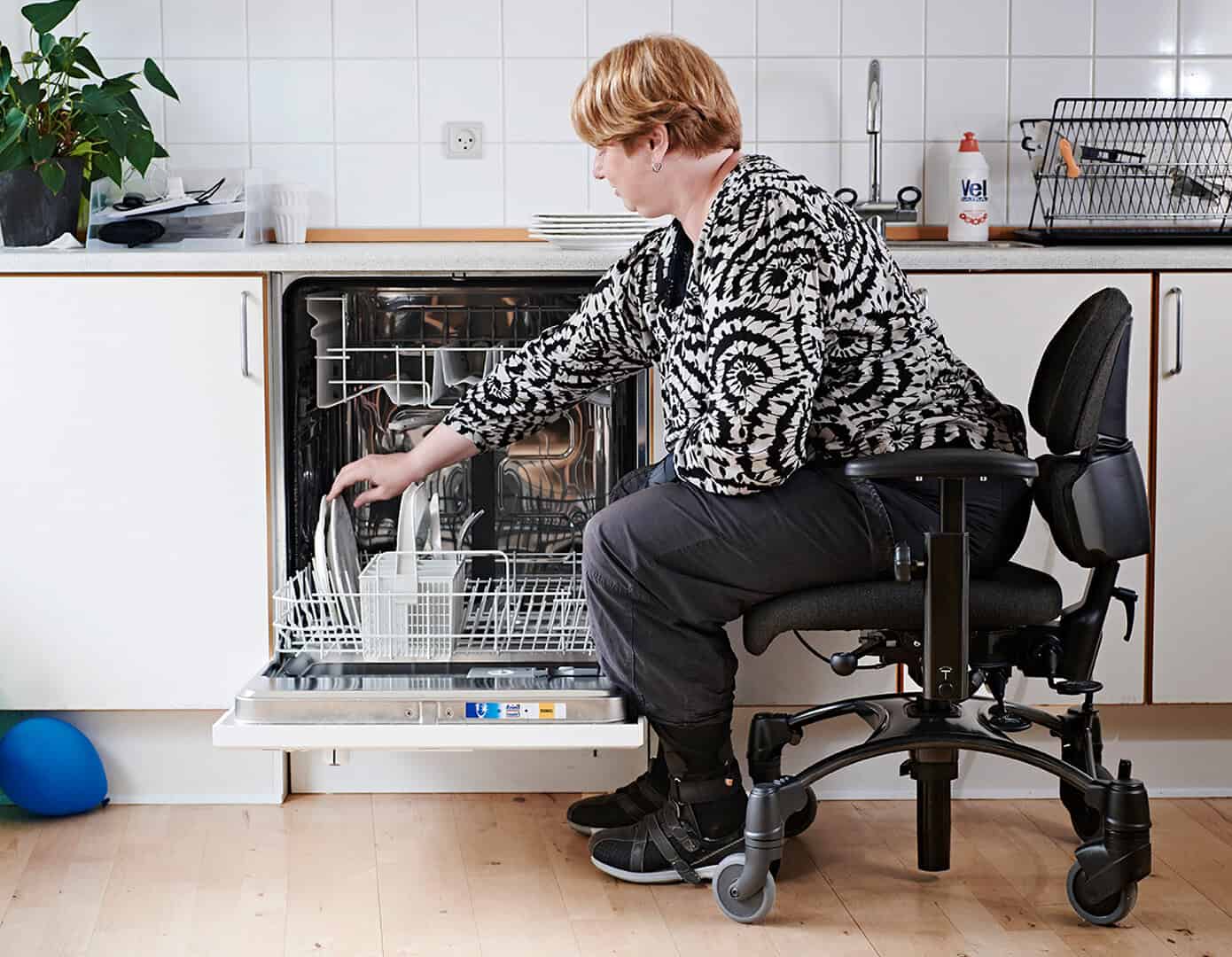
Complementing Watercrest’s thoughtfully designed environments, VELA chairs provide added support for residents aiming to retain their independence while managing mobility challenges. These adaptive chairs enhance mobility and safety, enabling residents to navigate their apartments and participate in community events effortlessly. This addition aligns perfectly with Watercrest’s commitment to resident autonomy, further solidifying their environment as supportive and transformative.
Growing numbers of residents also benefit from an integrated suite of next-generation assistive devices—such as AI-powered smart glasses, haptic wearables, sip-and-puff systems, and voice-activated controls—working seamlessly together with mobility chairs and smart home features. These advancements, now widely adopted following trends at CES 2026, reflect a new standard of consumer-driven, inclusive design and support systems in luxury independent living.
Sources: ThinkBeyondTheChair.org, InnoCaption, American Foundation for the Blind (AFB), Double Tap on Air
Supporting Aging in Place: A Practical Option
As part of the broader movement towards more independent living solutions, VELA Chairs stand out by enabling seniors to remain at home longer without compromising on safety or comfort. With features like a central brake for added safety, electric height adjustability, and ease of movement while seated, these chairs can significantly reduce the challenges associated with aging in place. Imagine the ease of preparing meals, dressing, or simply relaxing with the right support system. By minimizing reliance on caregivers and delaying the transition to nursing homes, solutions like VELA promote dignity, freedom, and peace of mind. While VELA is just one of many aids available, its proven design offers a practical and supportive choice for independent living at home. For more insights on how mobility aids can support seniors, explore Enhancing Senior Mobility.
Today, resilient assistive technology service ecosystems, robust AI integration, and inclusive mainstream tools like smart home automation not only support independent living but redefine it. Following global trends, there has been increased recognition of user preferences, ensuring that AI-powered supports do not override personal settings, reinforcing respect for autonomy. National recognition and ongoing policy initiatives continue to foster innovation and investment in technologies that support aging in place, rehabilitation, and daily life for all residents.
Sources: Cognitive Market Research, National Assistive Technology Awareness Day, Lumibility, ATIA, CES.tech
By embracing these advancements—AI-driven accessibility, user-centered and inclusive designs, wearable technology, and robust delivery models—Watercrest communities and innovations like VELA Chairs provide luxurious, empowering, and future-ready independent living options.