

Updated January 2026: We have updated the article with the latest 2026 research, including breakthroughs in AI-driven predictive care, privacy-first monitoring technology, autonomous mobility aids, brain-computer interface solutions, and unified wearable health integrations that are now shaping Wesleyan independent living communities.
Wesleyan Independent Living: A Distinctive Approach to Senior Living
Wesleyan independent living combines faith-based values with active aging solutions, creating a unique housing model for older adults who prioritize spiritual and social engagement. According to the National Institute on Aging, these communities are ideal for seniors who do not require extensive personal or medical care but seek convenient services and vibrant social opportunities. Additionally, programs like HUD’s Section 202 contribute to the growth of such communities by supporting affordable housing options for seniors.
Understanding Wesleyan Independent Living Options
Wesleyan independent living offers a harmonious blend of faith-based integrity, continuum of care, and holistic wellness. This is exemplified by The Wesleyan in Georgetown, TX, which offers both apartments and cottages set amidst natural beauty, along with opportunities for lifelong learning and personal growth. This environment caters to seniors seeking independence while fostering a community connection, enhancing their sense of belonging and purpose. For more details on the services and values of Wesleyan Communities, their website provides a comprehensive overview of their unique offerings.
Amenities and Services That Support Active Aging
Amenities in Wesleyan communities are crucial in promoting active aging. Residents can enjoy social clubs, fitness programs, and faith-based activities that enrich their life experiences. For instance, The Wesleyan at Red Bank excels in resident involvement and is situated conveniently close to downtown amenities.
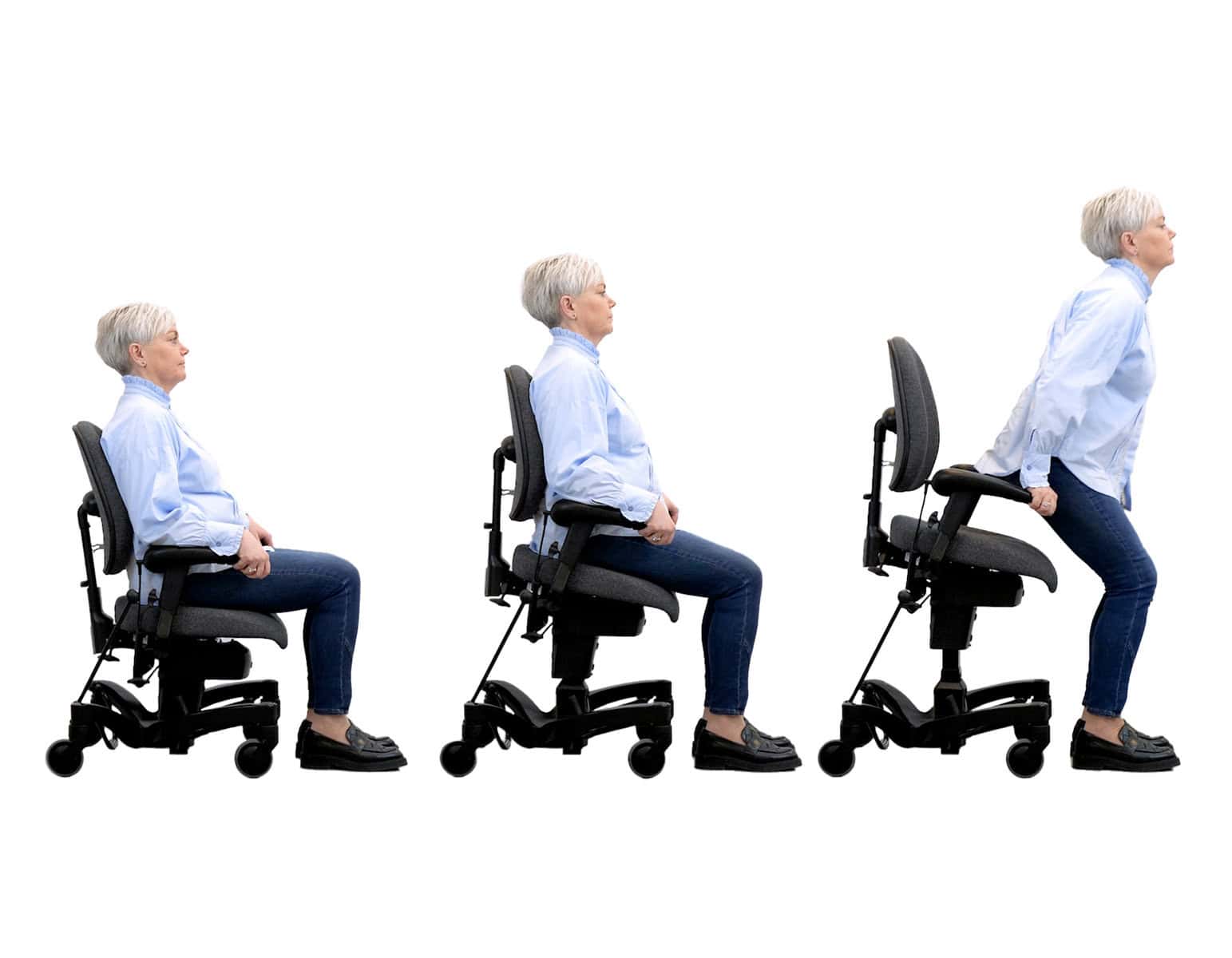
Recent technological developments have further empowered residents to maintain their independence. AI-powered devices such as smart glasses with real-time object and facial recognition, wearables that aid in navigation, and intelligent wheelchairs featuring sensor-based seat monitoring and autonomous navigation have enhanced daily living. These solutions, including neurotechnology-based assistive devices, support independent movement and adaptation to the user’s evolving needs. Additional innovations include AI-powered and smart mobility aids with autonomous navigation, obstacle detection, health monitoring, and voice or gesture controls, as well as robotic exoskeletons that assist those with spinal cord injuries in walking. Brain-computer interface prosthetics, which enable more natural and intuitive control of artificial limbs, are becoming increasingly available, further promoting independence. As individuals age, maintaining independence can become a significant challenge, often leading to difficult decisions around nursing home placement. However, solutions like adaptive seating and advanced mobility aids help older adults remain in their own homes longer, enhancing their mobility and safety. For example, the VELA Independence Chair— a medically approved mobility chair—offers enhanced safety, freedom of movement while seated, and support for daily activities such as cooking, dressing, or transferring. These innovations also reduce the load on informal caregivers, thereby promoting independence and confidence in the senior living experience. Carr, 2024; ThinkBeyondTheChair.org, 2025; Keyway Medical, 2025; SeniorLivingNews, 2026.
Cost Structure and Financial Aid in Wesleyan Communities
Affordability is a key component of Wesleyan independent living. Communities, like Wesley Enhanced Living, offer varied pricing structures ranging from $1,500 to $4,000 monthly, depending on location and services. For seniors on fixed incomes, financial assistance through HUD subsidies, such as those provided at Wesleyan Red Bank, are available. According to the National Center for Assisted Living, with appropriate assistance programs, seniors can effectively manage living costs while enjoying the amenities provided by Wesleyan communities.
Safety, Wellness, and Social Life in Faith-Based Senior Living
Safety, wellness, and a vibrant social life are prioritized within these communities to enhance residents’ quality of life. Unique programs at The Wesley Community, such as intergenerational activities and chaplaincy services, provide spiritual support and a rich social environment. The State of New Jersey Department of Health emphasizes that faith-based communities adhere to strict safety protocols, fostering residents’ autonomy and wellbeing.
Modern Wesleyan communities are also integrating AI-driven safety monitoring, predictive analytics, and smart access controls to increase security and wellness. Recent advancements highlight the adoption of AI-based, privacy-first monitoring systems that use behavior analytics and camera-free platforms to identify risks and support resident wellbeing. Wearable health integration has become a standard, connecting fall detection, voice assistants, and telehealth into unified platforms for proactive health support. Telemedicine and remote health monitoring remain common, enhanced by smart home technologies such as voice-activated assistants, automated lighting, and wearable health trackers to support daily living and health monitoring. In addition, sensor-based real-time posture and pressure point monitoring have improved both safety and rehabilitation outcomes. Companion robots continue to enhance social interactions and daily support, while industry trends now focus on cross-system interoperability, ever-stronger privacy protections, and data security to meet evolving regulatory requirements. ButterflyMX, 2025; MyCareConcierge.org, 2025; Heisinger Bluffs, 2025; Argentum, 2025; CLAconnect, 2025; Argentum, 2025; SeniorHousingNews, 2026.
Precise Integration of VELA Mobility Chairs
Healthcare professionals prioritize mobility aids to support active aging, such as VELA chairs, which empower residents by reducing caregiver dependence. Features like ergonomic design and secure mobility contribute significantly to independence. Combined with smart features—such as app-controlled adjustments, sensor monitoring, and integration with other assistive technologies—these chairs are part of the evolving landscape of adaptive devices in senior communities. The latest models increasingly feature modular adaptive upgrades, integration with smart home systems, and support for adaptive controls including voice and gesture input, consistent with recent smart mobility and assistive technology advancements. Advanced mobility solutions such as AI-powered autonomous wheelchairs and adaptive e-bikes for various terrains are broadening access for individuals with diverse mobility needs, while emerging exoskeleton robotics and brain-computer interfaces are making strides in supporting more natural movement for those with severe disabilities. For detailed information on these technologies, refer to the VELA Independence Chair for enhanced mobility. AbilityMT.org, 2025; Equal Accessibility, 2025; Keyway Medical, 2025; MobilityTrends2026.org, 2026.
Enriched Living through Wesleyan Communities
In summary, Wesleyan independent living provides a comprehensive integration of spiritual, social, and physical wellness, offering not only practical housing options but also enriching the lives of senior residents. As noted in the Journal of the American Geriatrics Society, social engagement and accessible environments are pivotal in fostering successful independent living. Wesleyan communities prioritize these elements, making them an excellent option for seniors seeking holistic enrichment in their golden years.
Additionally, the latest trends highlight sustainability, green design, and the inclusion of energy-efficient solutions in community infrastructure. These environmental initiatives are implemented alongside advanced technology, providing not only comfort and safety but also supporting the wellbeing of residents and the broader community. LCSNet, 2025.
Supporting Aging in Place: A Practical Option
VELA chairs offer a valuable solution for aging in place, helping seniors maintain independence in their own homes. These chairs address common aging challenges by featuring a central brake for safety, electric height adjustability for ease of transfer, and fluid movement while seated. Modern solutions include adaptive upgrades, interoperability with smart devices, and user-centered features such as voice recognition and hands-free controls to accommodate limited dexterity. Real-time sensor monitoring, predictive analytics, and integration with unified wearable health platforms now further support injury prevention, early risk detection, and tailored care planning. Such features are particularly useful for daily tasks, enabling seniors to cook, clean, and relax with greater ease and dignity. By promoting safety and reducing the physical burden on both seniors and their caregivers, mobility solutions for seniors at home, like VELA, can extend the time spent living autonomously and potentially delay the need for higher levels of care. Despite being just one option among various assistive devices, VELA chairs are proven to be a practical and effective tool for many seniors aiming to lead independent lives for as long as possible. Equal Accessibility, 2025; Keyway Medical, 2025; AIHealthTech2026.com, 2026.