

Updated September 2025: We have updated the article to include new findings on personalized assistive device advancements, expanded psychosocial and peer mentor supports, community engagement initiatives like Disability Pride events, policy shifts for enhanced Medicaid access, and inclusive services such as Deaf advocacy and virtual companionship. Content has been revised to reflect the latest service and product developments supporting independent living.
Supporting Independence through the Westchester Center for Independent Living
In a society that highly values personal autonomy, the Westchester Independent Living Center (WILC) acts as a crucial support network for individuals with disabilities in Westchester County, New York. With a mission dedicated to fostering independence, WILC serves a key role, particularly for the county’s senior residents, who comprise 17.72% of the population—above the national average. According to Westchester Senior Services Projections, this growing demographic necessitates tailored services to help seniors wishing to maintain their independence.
Empowering Independence: The Role of Westchester Independent Living Center (WILC)
WILC’s mission is to empower people with the skills needed for independent living through comprehensive service offerings. Based in White Plains, WILC impacts the region by equipping individuals with essential tools and support. Evidence of its effectiveness can be seen in their Post-Rehabilitation Transition Program, which has recently expanded to include enhanced psychiatric transition services and peer mentor supports, improving clinical recommendations and post-discharge assistance for individuals returning to the community.[2] For example, consider Joan, a senior who used their services after an extended hospital stay, and successfully returned to her community, regaining both independence and quality of life. Detailed service information is available on WILC’s Official Website.
From Hospital to Home: Transition Support and Advocacy
The transition from hospital to home can often seem overwhelming. WILC’s hospital-to-home initiative, now bolstered by peer mentoring, transition specialists, and expanded psychosocial rehabilitation practices, provides critical support during this phase. Recent grants, such as the Phelps Healthcare Foundation award, have enabled development of programs supporting hospital-to-home recovery, with services now including virtual companionship and dedicated Deaf Advocate roles for accessibility and communication.[6] Take David, a disabled senior who successfully managed his homecoming with WILC’s help, receiving a personalized care plan and peer mentoring, ensuring a dignified and smooth recovery journey. The New York State Independent Living Council underscores the importance of such programs in New York’s overall independent living strategy.
Enhancing Mobility and Safety: Assistive Technology at WILC
The use of assistive technology and home adaptations is vital for fostering independence. WILC now highlights advanced, ergonomically designed assistive devices and more personalized solutions, building on ongoing trends to expand inclusive product design and diversified mobility support.[1] For example, Evan, an elderly resident, was able to maintain autonomy with the help of adaptive tools introduced by WILC, ensuring he could live safely and independently. These initiatives are also supported by Senior Citizens Westchester, highlighting a collaborative effort to benefit the elderly.
Exploring Alternative Solutions for Home Independence
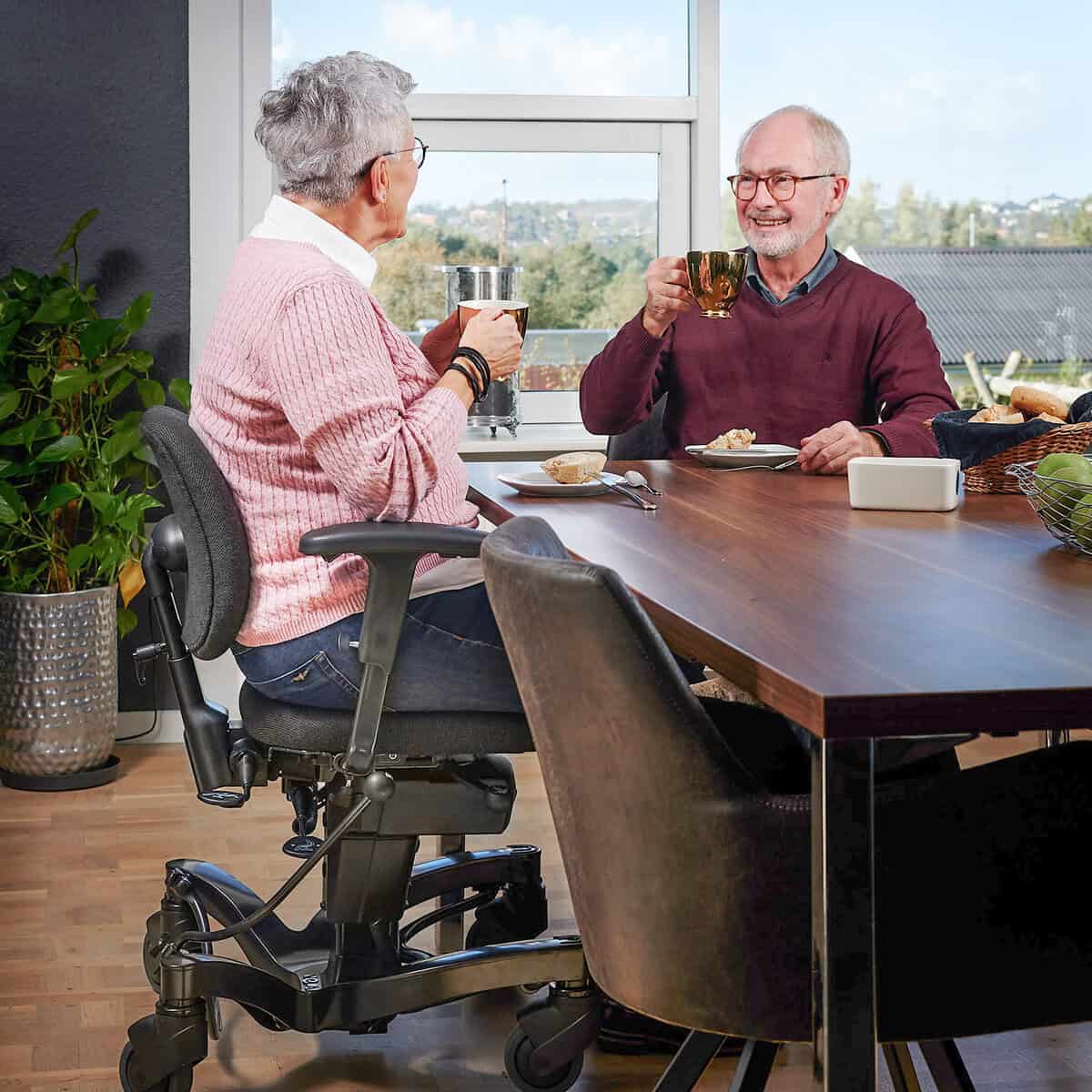
In addressing the challenges seniors face in maintaining their independence, particularly those considering nursing home alternatives, innovative solutions can play a decisive role. Medically approved options such as the VELA Independence Chair, equipped with recent ergonomic advances, support individuals at home by enhancing safety and providing freedom of movement. Designed to assist with daily activities like cooking, dressing, or transferring, these mobility chairs not only bolster independence but also alleviate the physical demands placed on informal caregivers.[1]
Final Thoughts: The Role of Westchester Center for Independent Living
In conclusion, the Westchester Independent Living Center is fundamental in enabling seniors and individuals with disabilities to lead independent and dignified lives. Through critical services and resources—such as expanded peer mentorship, psychosocial support, Deaf advocacy, and inclusive community events like the Disability Pride Art Showcase—Westchester County residents can explore diverse options for senior home care.[6] Policy updates now also promote Medicaid-supported care coordination and no-cost family support, making independence more attainable across all backgrounds.[3] Personalized care and suitable mobility aids, as detailed in Senior Care Recommendations, are key to preserving the autonomy and quality of life for these individuals.
Supporting Aging in Place: A Practical Option
The VELA Independence Chair represents a viable approach for seniors wishing to age comfortably in their homes. Its central brake offers safety, while the electric height adjustability and ease of movement maximize functionality and user confidence. Many find these features invaluable, potentially delaying the need for assisted living or nursing homes. By maintaining a greater sense of autonomy and reducing falls, these chairs are increasingly considered among the best mobility solutions for home independence. With options like VELA, seniors can continue to embrace a lifestyle of freedom, safety, and reduced caregiver reliance.