

Updated February 2026: We have updated the article with the latest 2026 regulatory developments in Florida, including FGI Guidelines requiring 90% single-resident rooms in new skilled nursing facilities, specialized memory care licensing for assisted living with independence-focused requirements, ongoing AHCA group care rule revisions, and major advancements in AI-driven and autonomous mobility technologies supporting resident independence.
Who Regulates Independent Living Facilities in Florida?
In the state of Florida, understanding the regulatory framework for independent living facilities is essential, particularly given the state’s significant population of individuals aged 65 and older, which comprises over 21% of its residents. According to the Florida Agency for Health Care Administration, independent living communities are not subject to the same stringent healthcare regulations as assisted living facilities unless they provide health-related services. Local ordinances and housing laws primarily govern these facilities, creating a unique regulatory environment that potential residents and their families must navigate.
Regulatory Environment of Independent Living Facilities in Florida
Independent living facilities in Florida operate under a patchwork of local building codes, the Fair Housing Act, and general landlord-tenant laws. Unlike assisted living facilities — closely monitored by the Florida Agency for Health Care Administration (AHCA) — independent living facilities lack stringent healthcare regulations unless health or daily care services are provided.
Recent legislative and regulatory updates have reinforced these distinctions. From 2026, Florida’s adoption of updated FGI Guidelines mandates that new skilled nursing facility construction must ensure at least 90% single-resident rooms, enhancing privacy and supporting independence for residents with disabilities or mobility needs.FGI Guidelines Adoption (Florida Health Care Association) AHCA’s rulemaking for group care facilities is ongoing, reflecting a focus on privacy, evacuation planning, and supportive technology.Florida DOH Residential Group Care Rules In parallel, SB 1404 requires that, by October 2026, assisted living facilities offering memory care must obtain specialized licenses and provide environments promoting independence and privacy, especially during emergencies.Florida Senate Bill 1404 Amendment (flsenate.gov)
Florida House Bills 223 and 539 previously introduced stipulations to protect resident rights and enable electronic video/audio monitoring, aiming to foster autonomy and clear standards. Additionally, CS/HB 493 imposed formal licensure requirements for assisted living facilities advertising memory care, increasing quality accountability.CS/HB 493 – Memory Care Licensure Standards, 2025 Florida Independent Living Regulatory Changes 2025
According to Florida Health Finder, independent living facilities focus on amenities like dining and social activities rather than healthcare, allowing them to operate outside of the healthcare regulatory framework. A typical facility in Miami is noted for its adherence to local safety codes, focusing on fire safety systems and accessible designs, reflecting compliance more with housing authority standards than health service regulations.
As seniors age, the limitations of independent living setups may necessitate external assistance or an eventual transition to more regulated environments. Practical experience shows that initial autonomy in independent living can be sustainable with strategic external support, highlighting a balance between independence and evolving care needs.
Distinguishing Between Independent and Assisted Living
The differences between independent and assisted living lie in the levels of care, services offered, and regulatory oversight. Independent living primarily caters to seniors who maintain autonomy and have fewer daily care needs. According to the Florida Administrative Code, Chapters 59A-36 & 58A-5, assisted living oversight begins when facilities provide direct healthcare or daily living assistance.
Recent advances in the regulatory landscape—such as those found in CS/HB 493, HB 223, and HB 539—highlight a growing recognition of residents’ right to privacy, enhanced accountability for facilities offering memory care, and increased precision in independent living oversight. The adoption of the 2026 FGI Guidelines introduces stricter requirements for new skilled nursing construction, with a focus on accessibility, private living spaces, and supportive environments for individuals with mobility issues.FGI Guidelines Adoption (Florida Health Care Association) SB 1404’s upcoming specialized licensing for ALF memory care will further distinguish regulated environments emphasizing homelike settings and resident self-direction.Florida Senate Bill 1404 Amendment (flsenate.gov)
Take, for instance, a scenario involving a senior initially thriving in independent living due to active social engagement. As their health requirements evolve, the need for daily task assistance leads to a transition to assisted living, where state regulations ensure adequate care and proficient staffing. Such transitions are common as residents require increased levels of support, reinforcing the need for informed decision-making regarding facility choice.
Choosing the Right Independent Living Facility in Florida
Selecting an independent living facility involves careful consideration of several factors. Safety, amenities, social programs, and transportation options are critical. Prospective residents should review inspection histories and resident reviews to make informed decisions. The Florida Health Finder provides public access to inspection reports, ensuring transparency in evaluating facilities.
Highly-rated facilities such as Vi at Lakeside Village in Palm Beach Gardens exemplify luxurious amenities and vibrant social opportunities. Resident testimonials frequently emphasize the importance of an active lifestyle and community interaction, with safety and social programs being key decision factors. With updated regulations for memory care licensing and new FGI requirements for construction, evaluating a facility’s compliance with the most current privacy and accessibility mandates, as well as their use of innovative technology, is essential.
Assistive technology now plays a vital and expanding role in supporting independent living. Recent innovations feature AI-powered exoskeletons, voice-controlled and autonomous navigation wheelchairs (including models like Robooter X40 and upgraded LUCI), smart prosthetics, and attachments such as WheelMove enhancing manual wheelchair mobility.The Latest Trends in Mobility Aid Technology for 2025 The Best Assistive Tech Gadgets in 2025 Upcoming devices highlighted at CES 2026, such as the all-terrain XSTO X12 AI power chair and MaaS-Bridge systems for inclusive transport, further expand options for individuals with significant disabilities.Recent Trends in Assistive Technology for Mobility Innovations In Assistive Technology When evaluating facilities, consider environments that offer ADA-compliant infrastructure, incorporate forward-thinking devices, and invest in technologies that promote independence and safety in daily life.
Summarizing Florida’s Independent Living Regulatory Landscape
Understanding the regulatory landscape for independent living facilities in Florida involves recognizing the intersection of local housing laws and the necessity for supportive care options. While healthcare agencies do not supervise these facilities unless specific health services are provided, local building codes, Fair Housing Act provisions, new regulations stemming from HB 223, HB 539, and CS/HB 493, and general landlord-tenant laws now increasingly shape their operations.Florida Assisted Living Compliance With the adoption of FGI’s private-room standards and SB 1404’s memory care licensing, new requirements clarify the boundaries between independent, assisted, and skilled nursing arrangements.FGI Guidelines Adoption (Florida Health Care Association) Florida Senate Bill 1404 Amendment (flsenate.gov) An increasing focus is placed on autonomy, safety, and access to technology, setting new standards for inclusivity and support.
Florida’s State Plan for Independent Living continues to emphasize the role of centers for independent living, ensuring coordinated support and individualized plans for people with significant disabilities.Florida Statutes §413.393 (leg.state.fl.us) In navigating these options, families commonly encounter challenges associated with transitioning to higher-care settings or maintaining autonomy. The integration of emerging AI-driven devices and ergonomic mobility products provides new avenues for rehabilitation, personal safety, and ongoing independence in the community.
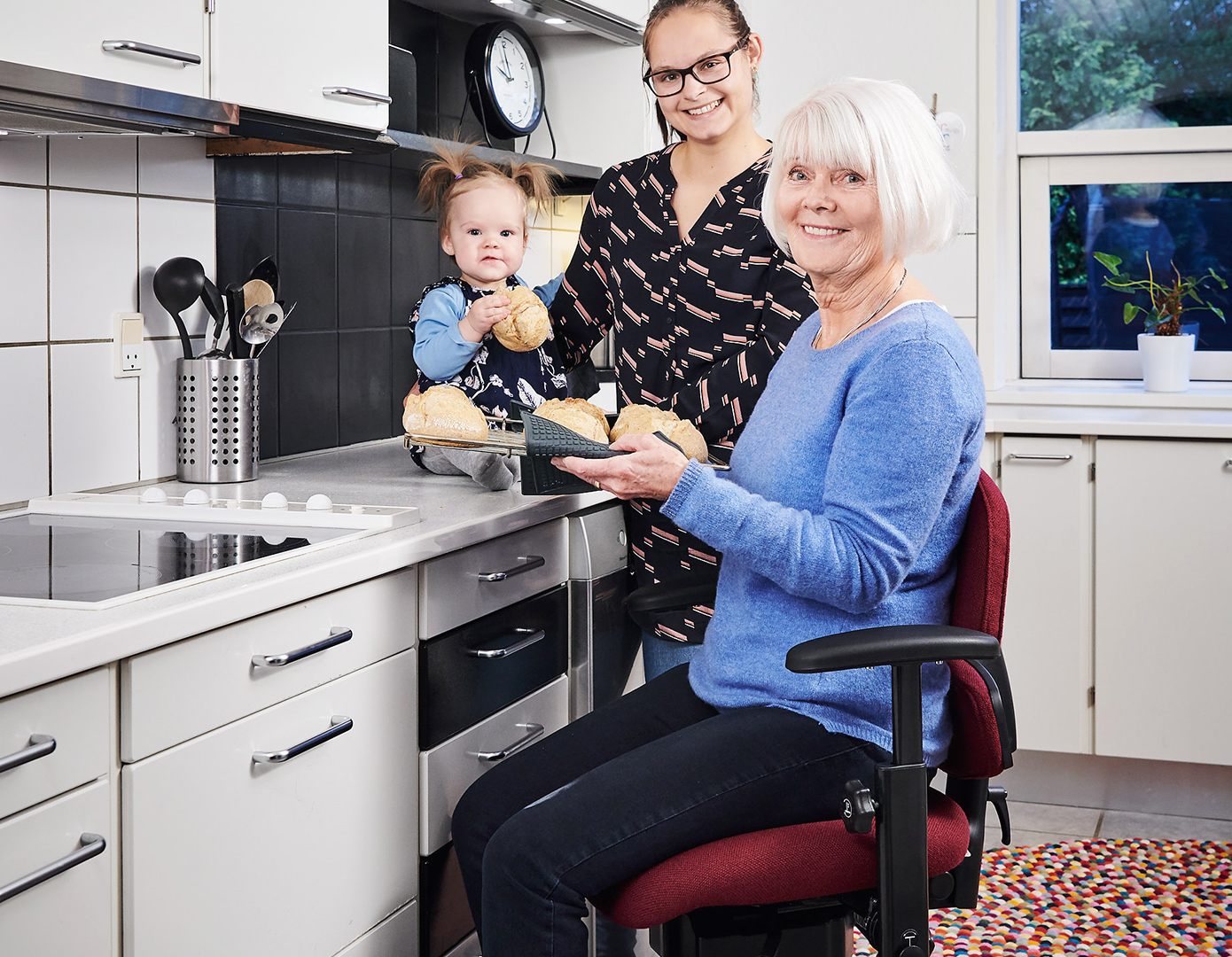
For those seeking an alternative, the VELA Independence Chair offers a promising solution. This medically approved mobility chair enhances at-home safety and freedom of movement. Providing support for daily activities such as cooking, dressing, and transferring, the VELA Chair significantly reduces the reliance on informal caregivers and maintains seniors’ autonomy.
For those exploring independent living options, resources like Senior Housing Solutions and the Florida Department of Health can offer additional guidance on evaluating the state’s senior care landscape.
Supporting Aging in Place: A Practical Option
The VELA mobility chair represents a practical tool for older adults wishing to remain independent at home longer. With its central brake for enhanced safety, electric height adjustability, and easy movement while seated, users experience increased stability and control. Mobility solutions for elderly living at home like VELA help mitigate risks associated with regular daily activities, offering safety and ease for tasks such as cooking or transferring between furniture. This not only helps delay the need for nursing home care but also preserves dignity and energy for users by maintaining their ability to engage in home activities comfortably. While not the sole solution, VELA stands as a proven option to effectively support seniors and alleviate caregiver burdens, encouraging a balanced and independent lifestyle.
References
- CS/HB 493 – Memory Care Licensure Standards, 2025
- Florida Independent Living Regulatory Changes 2025
- The Latest Trends in Mobility Aid Technology for 2025
- The Best Assistive Tech Gadgets in 2025
- Recent Trends in Assistive Technology for Mobility
- Florida Assisted Living Compliance
- Innovations In Assistive Technology
- WHO – Assistive Technology Global Facts
- Florida Statutes – Chapter 429 (Assisted Care Communities) 2025
- Assistive Technology Outcomes and Benefits Journal – Focus 2025
- NCAL Regulatory Review – Florida Assisted Living
- FGI Guidelines Adoption (Florida Health Care Association)
- Florida Senate Bill 1404 Amendment (flsenate.gov)
- Florida Statutes §413.393 (leg.state.fl.us)
- AHCA Assisted Living Facility (ahca.myflorida.com)
- Florida DOH Residential Group Care Rules