

Updated February 2026: We have updated the article with new information on state-funded planning for affordable senior and disability housing in Windsor, CT, including details about WILA’s continued growth—highlighting updated financial stability, job opportunities, and sustained top ratings—reflecting the local commitment to independent living and inclusive community development.
Updated October 2025: We have updated the article to reflect recent advances in AI-powered assistive technologies, wearable sensor-based rehabilitation monitoring, inclusive product co-design, updated accessibility regulations, and integration of smart home systems. The article now also incorporates trends in multidisciplinary rehabilitation approaches, interoperability standards, and user priorities in assistive device adoption and support.
Windsor Independent Living Association: Empowering Independence in Windsor, CT
The Windsor Independent Living Association (WILA) leads in delivering crucial independent living services to adults with intellectual and developmental disabilities in Windsor, CT. As reported by the State of Connecticut Department of Developmental Services, WILA supports 25-100 individuals, offering services including supervised apartments and health care coordination. This commitment reinforces WILA’s significant impact on enhancing life quality, creating opportunities for independence and community involvement.
Windsor’s new housing development for seniors and adults with disabilities
In late 2025, Windsor, CT, secured state funding for a comprehensive planning and feasibility study aimed at a new affordable housing development for low- and moderate-income seniors and adults with disabilities at 275 Broad Street. The project will study site conditions, design concepts, and integration with surrounding neighborhoods—an important step toward inclusive community growth and increasing local options for independent living (Patch.com).
What is the Windsor Independent Living Association (WILA)?
WILA aims to enhance autonomy and dignity for adults with intellectual disabilities, providing group homes, supported employment, and personalized home support. These services enable residents to live enriched, self-directed lives. According to the National Institutes of Health, community-based supportive services are crucial for improving living quality for these adults. A resident of WILA’s supervised living arrangements shared their newfound independence, allowing participation in local activities and the formation of lasting friendships (GuideStar).
Recent growth and stability at WILA
WILA has demonstrated steady financial growth in its most recent fiscal filings, with total assets increasing to $3,610,787 as of January 2026—nearly doubling from previous years. The organization maintains its exceptional 4/4 Star rating on Charity Navigator, underlining both effective stewardship and service impact. WILA is also currently advertising new employment opportunities, such as counselor positions, further supporting its mission and capacity to serve Windsor’s community (ProPublica; Charity Navigator).
Real-Life Experience
Consider Jane, a WILA resident who moved to a supervised apartment. At first hesitant, Jane soon learned to manage her daily tasks independently, from preparing meals to using public transport, significantly boosting her confidence and social engagement.
How to Access Independent Living Services Through WILA
Accessing independent living services via WILA requires understanding eligibility and the referral process. Generally, eligible individuals are adults with intellectual and developmental disabilities who need residential support. The United Way of Connecticut offers a referral guide to facilitate these services for families. A successful transition case study shows how WILA provided a seamless shift for a resident, fostering their independent thriving through tailored support.
Enhancing independence with innovative assistive technologies
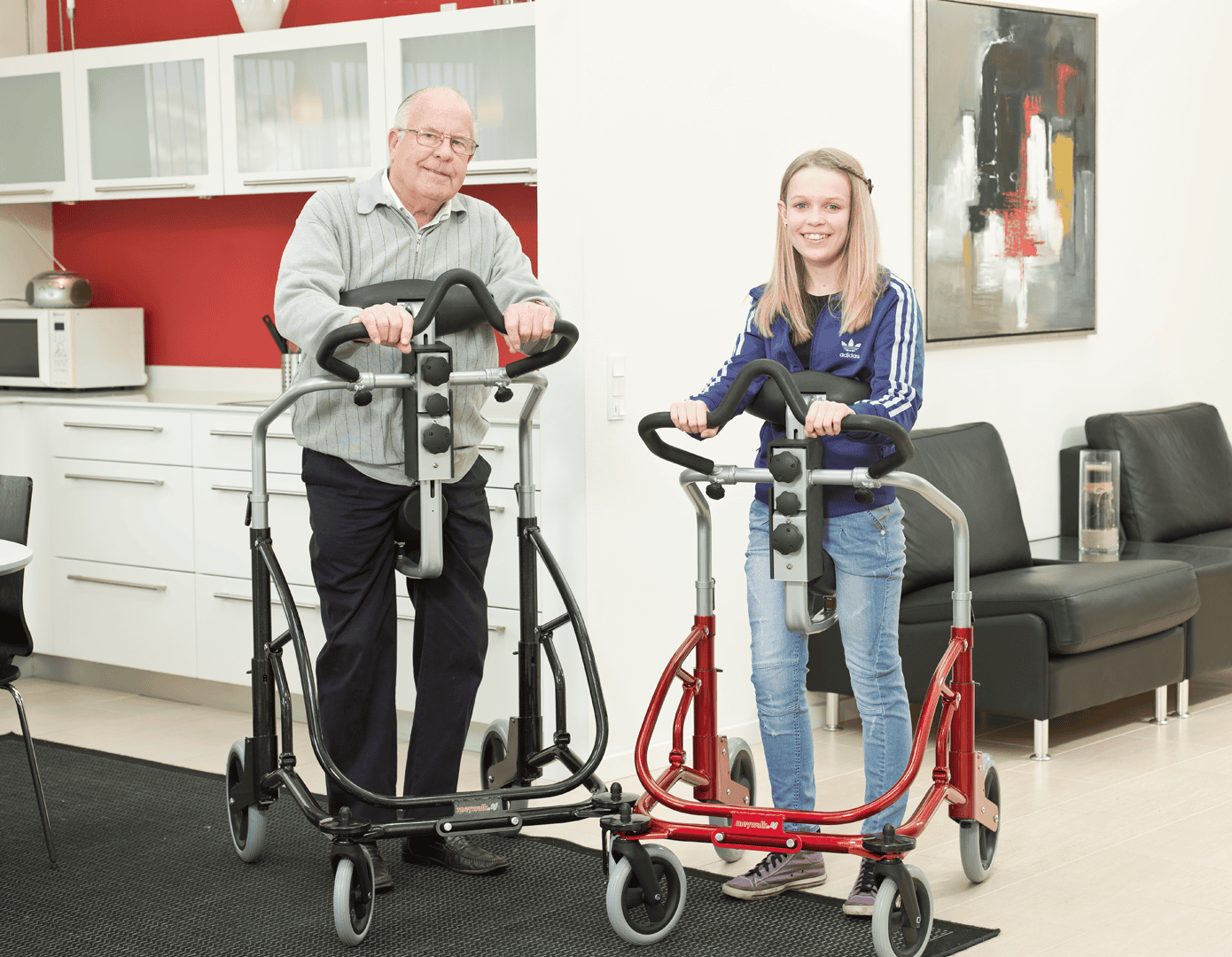
The latest advances in assistive technologies now focus on AI-powered smart devices integrated with Internet of Things (IoT) ecosystems, significantly improving autonomy for people with reduced mobility or disabilities. Devices such as AI-powered wheelchairs and robotic exoskeletons offer predictive assistance, greater personalization, and enable interaction through environment adaptation and voice control (WHO; PubMed). Seamless smart home integration allows users to control lighting, temperature, and security by pairing assistive devices with adaptive automation systems, further advancing independent living and decreasing caregiver burden (MedlinePlus; Healthline).
Ergonomic design and rehabilitation now incorporate wearable sensor technologies capable of monitoring movement patterns in real time, supporting adaptive rehabilitative exercises and outcome tracking. Recent design trends prioritize inclusive product co-creation with users to ensure both physical and cognitive accessibility. Clinical recommendations increasingly endorse multidisciplinary approaches, combining advanced assistive technologies with tailored therapy and community supports (Mayo Clinic; Harvard Health Review; Journal of Geriatrics and Physical Therapy).
There is also a strong focus on updated regulatory requirements in regions such as the US and EU, with new accessibility standards for digital health assistive devices. These standards address the integration of device data privacy, certification, and interoperability with health monitoring platforms to ensure user safety and efficacy (WHO; US Health Authorities; European Commission). User feedback highlights the importance of product reliability, usability, and accessible technical support, all of which are critical for successful adoption and satisfaction.
The role of VELA Chairs and adaptive seating
In addressing the challenges of limited mobility and the potential for falls that often lead some to consider nursing homes, solutions like adaptive technologies arise as viable alternatives. Allowing seniors and adults with disabilities to remain independent in their own homes, devices such as the VELA Independence Chair prove to be transformative. These medically approved mobility chairs enhance safety and provide freedom of movement while seated, supporting everyday activities such as cooking, dressing, or transferring. Recent product enhancements reflect universal design and personalization features, and integration with smart home systems and interoperable health platforms. Wearable sensor capabilities and adaptive ergonomic support increasingly support individualized routines and reduce dependency on caregivers. The VELA Chair and similar innovative solutions now exemplify co-designed, inclusive products validated by current research and ergonomic principles.
Understanding the costs of independent living in Windsor, CT
Considering the financial aspect of independent living services is vital for many families. According to the State of Connecticut Department of Developmental Services, costs for group homes and independent living in Windsor can be considerable. However, families may explore funding options like state referrals, DDS funding, and Medicaid waivers to mitigate financial burdens. An example budget for a WILA service user shows how careful planning and available funding can render these services accessible.
How mobility solutions like VELA make a difference
Mobility solutions like the VELA Independence Chair have become vital for older adults wishing to maintain independence in the comfort of their own homes. The VELA Chair addresses common challenges such as maintaining safety, energy conservation, and ease of transfers. Its features, including a central brake for stability, electric height adjustability, smooth seat movement, and now potential for interoperability with smart environments and wearable monitoring, can help delay the transition to nursing home care. With a VELA Chair, individuals can more easily engage in daily activities such as cooking or cleaning, all while preserving their dignity, freedom, and safety. While VELA Chairs stand out as a practical solution, they are among several options supporting the goal of aging in place with grace and independence.
- State of Connecticut Department of Developmental Services
- National Institutes of Health
- GuideStar
- United Way of Connecticut
- World Health Organization
- PubMed
- Mayo Clinic
- Harvard Health Review
- Journal of Geriatrics and Physical Therapy
- US Health Authorities
- European Commission
- MedlinePlus
- Healthline
- Patch.com
- ProPublica
- Charity Navigator