

Updated February 2026: We have updated the article with the latest demographic projections for Wyoming’s aging population, 2026 retirement rankings highlighting Wyoming’s #1 status for seniors, strengthened references to the Wyoming ADRC as a key resource for mobility and disability support, and discussion of current housing, affordability, and technology trends shaping independent living and aging in place.
Wyoming Independent Living: Aging in Place with Dignity
As Wyoming emerges as home to the fastest-growing elderly population in the United States, the preference for aging in place becomes increasingly significant. According to the Wyoming Department of Health, approximately 75% of Wyoming seniors express a desire to remain in their own homes rather than relocate to long-term care facilities. This trend underscores the urgent need for effective independent living solutions tailored to the unique landscape and challenges faced by the state’s senior citizens.
Wyoming’s Rapidly Growing Senior Population: Implications for Independent Living
Wyoming’s demographic trends reveal a notable increase in residents aged 65 and over, with projections now indicating that over 20% of all Wyoming residents will be 65 or older by 20307. This growth presents profound implications for independent living, particularly for the “oldest-old” demographic. The Wyoming Department of Health highlights the growing need for tailored home care services that cater to these individuals’ specific requirements. For instance, consider a senior couple, John and Mary, living in rural Wyoming, who wish to remain in their family home where they’ve built a lifetime of memories. Their choice reflects a preference for familiar environments and established community ties, essential for maintaining a high quality of life.
Navigating Challenges: Aging in Place in Wyoming
Despite the strong desire to age in place, socio-economic barriers and health challenges often complicate this goal. Many seniors face chronic health conditions such as arthritis and diabetes, coupled with social isolation, factors that impede their ability to live independently. Addressing these issues requires strategic intervention, including community support and technological solutions. According to America’s Health Rankings, identifying and mitigating social isolation risks is crucial for fostering successful independent living. A poignant case study involves Sarah, a Wyoming senior, who overcame isolation through local community programs, such as weekly knitting circles and library events, which re-engaged her in social activities and significantly improved her mental well-being. The Wyoming Aging & Disability Resource Center (ADRC) now plays an expanded role in supporting seniors and individuals with disabilities, providing information and guidance on available services for independent living needs8.
Cost-Effective Home Care Services and Programs in Wyoming
Home care services provide a viable alternative to costly institutional care. The Wyoming Department of Health outlines various options, including the Medicaid Community Choices Waiver, which makes in-home care more accessible. The median annual costs for homemaker and home health aide services range from $66,352 to $66,826, significantly less than a private nursing home’s $91,615. Families can personalize care according to their needs. For example, the Jackson family utilized Medicaid waivers to ensure their elderly father received comprehensive in-home care tailored to his daily needs and emphasized his independence by allowing him to choose his caregiver. Wyoming’s strong ranking in national retirement studies—placing #1 in 2026 for affordability, low homemaker service costs, and low senior chronic condition rates—further validates these choices for families5, 8.
Innovative Assistive Technologies for Safer Independent Living
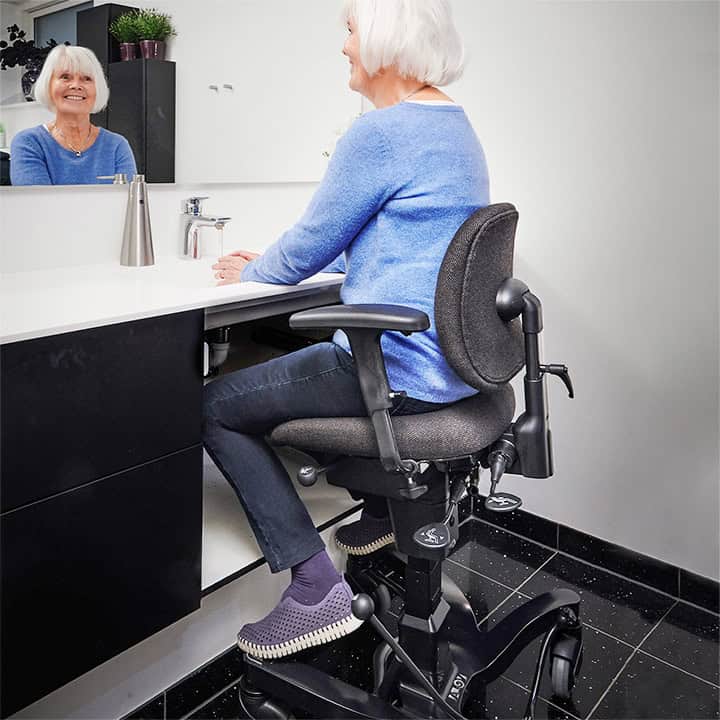
Recent advances in Wyoming emphasize the adoption of smart home assistive technologies and wearable devices that empower individuals to live more independently. AI-powered solutions, such as smart speakers, in-home sensors, real-time monitoring, and emergency response buttons, are increasingly replacing some traditional caregiver hours by providing technology-mediated support, enhancing both safety and autonomy for residents1. For individuals considering alternatives to nursing homes, these technologies, in combination with established devices like the VELA chair—a medically approved mobility chair designed for home use—can greatly increase personal safety and ease of movement. Wearable devices with real-time tracking and SOS capabilities further assist in emergency preparedness and ongoing well-being5. While there have been ongoing advances and a strong emphasis on technology-enabled independence, it should be noted there are currently no new scientific studies or regulatory changes related to assistive technology devices after May 20258.
Expanding Access through Innovative Financing and Inclusive Policy
Access to advanced assistive technology has expanded with the introduction of programs like Wyoming’s Technology Access Program (WyTAP). WyTAP, a collaboration between Wyoming Independent Living, WATR, and StagePoint Federal Credit Union, now provides low-interest loans for purchasing assistive devices, making these technologies more accessible to a broader population regardless of income, as long as creditworthiness can be established2. This innovation removes barriers for those who might not qualify for traditional medical funding sources and supports acquisition of a wider range of mobility, safety, and smart home solutions.
Wyoming Assistive Technology Resources (WATR) continues to expand its device demonstration, loan, and training programs. Importantly, WATR’s Advisory Council actively involves end users and families in policy and program development, ensuring technologies and services are shaped by real-world needs and co-designed with community input3. This approach reflects a larger movement toward universal, inclusive design in independent living supports.
The Role of Assistive Technologies in Aging in Place
Integrating advanced technologies not only supports physical health but also boosts seniors’ confidence in their ability to manage daily tasks independently. Devices like the VELA chair exemplify how targeted technological applications can make a substantial difference. From stable seating to adjustable heights, and when paired with modern smart home features and wearable monitoring, these solutions contribute to a senior’s safety, comfort, and active participation in daily life1. This combination of innovations supports the strong desire among Wyoming’s seniors to age in place safely and with dignity. Issues such as shortages of affordable, accessible housing—especially for low-income seniors or rural residents—have prompted increased interest in supportive technology and state resources, including programs coordinated through Wyoming’s ADRC and community development agencies6, 7.
Supporting Aging in Place: A Practical Option
Innovative mobility solutions such as the VELA Chair offer significant benefits for Wyoming’s elderly population aiming to stay independent longer at home. Designed with features like a central brake for enhanced stability, electric height adjustability for seamless transfers, and easy maneuverability while seated, the VELA Chair addresses the key challenges of aging at home. The introduction of smart home technologies, real-time emergency monitoring, and remote caregiver support further extends the reach of independent living for rural and urban residents alike4. The chair’s smart design, combined with home adaptation and community supports, can delay the need for nursing home care by fostering autonomy and dignity. While the VELA Chair isn’t the only solution available, it offers a proven and practical means of supporting independence, underscoring the broader appeal of assistive technologies in elder care and highlighting the role of policy-driven support in making these aids more accessible than ever2, 4. As an additional tip, leveraging tools and support from Wyoming ADRC and WATR can further enhance safety, wellness, and independence at home3, 8.
References:
1 MOKA Smart Home Initiative – Real-world adoption of smart home technology in independent living.
2 Wyoming Technology Access Program (WyTAP) Brochure 2025 – Details low-interest loan program for assistive technology in Wyoming.
3 Wyoming Assistive Technology Resources (WATR) – Resource center for device demonstration, loans, and user-centered policy.
4 Wyoming State Plan on Aging 2021–2025 – Strategies for aging in place and quality-of-life outcomes.
5 Assistive Technology Outcomes and Benefits (Spring 2025) – Case studies on wearable tech, remote monitoring, and inclusive design.
6 Wyoming Governor’s Council on Developmental Disabilities Grants – Funding for assistive technology and community living initiatives.
7 Wyoming Community Development Authority (WCDA) Statewide Housing Needs Assessment (Oct 2024) – Aging population, low-income senior housing needs, and aging-in-place trends.
8 Wyoming 211: Aging Population in Wyoming – Senior projections to 2030, accessible housing/transportation demand, and ADRC services.
9 WealthManagement: Best/Worst States for Retirement 2026 – Wyoming #1 for affordability, no estate tax, and low homemaker service costs.
10 CareScout: Best/Worst States to Retire 2026 – Wyoming #1 for senior chronic condition rates and tips on independence technology.