

Updated September 2025: We have updated the article to reflect advances in assistive technology—including AI-powered devices, remote health monitoring, and telehealth—as well as current best practices in rehabilitation intensity and holistic facility design. The article now highlights Abbott’s integration of smart devices and data-driven care to enhance resident independence, safety, and overall wellness.
Abbott Skilled Nursing & Rehabilitation Center: A Comprehensive Overview
When considering a trusted nursing home in Lynn, Massachusetts, the Abbott Skilled Nursing & Rehabilitation Center stands out as a top-tier facility, known for its Medicare-approved services. Conveniently located, the center offers easy accessibility for families and visitors, enhancing its reputation as a hub of compassionate and quality care. According to Medicare.gov Care Compare, Abbott consistently receives high marks for its quality ratings, underscoring its commitment to excellence in the field of aged care.
Facility Background and Ownership
Abbott’s story is deeply rooted in dedication and community impact, supported by a history of reliable ownership. According to North Boston News, the facility is owned by Mark Blake, Amir Khan, and Tariq Qureshi, each bringing valuable insights and experience to the table. Beyond mere operations, testimonials from residents and their families highlight Abbott’s warm environment and sense of community. These elements have helped Abbott earn notable awards, further solidifying its stature within the senior care industry.
Services and Care Options at Abbott
Abbott Skilled Nursing & Rehabilitation Center offers a wide array of services tailored to meet the needs of each resident. The facility focuses on skilled nursing and rehabilitation programs, making it a beacon of person-centered care. Specialized services, such as dementia care, provide crucial support for residents with specific health challenges. According to Medicare.gov Care Compare, Abbott’s range of programs is comprehensive, reinforcing the quality of care provided by its highly trained staff.
Practical experience from within Abbott reveals personal success stories. For example, a family shared how their loved one’s health significantly improved after targeted rehabilitation therapy, showcasing Abbott’s commitment to effective and compassionate care. Abbott ensures that every staff member, from nurses to support staff, undergoes rigorous training in areas such as geriatrics and rehabilitative techniques, equipping them with the necessary skills to deliver high-quality care.
Navigating Financial Considerations and Payment Options
Understanding the financial aspects of long-term care is crucial for families, and Abbott Skilled Nursing & Rehabilitation Center offers clarity and transparency in this regard. The center accepts a mix of Medicare and Medicaid, alongside private pay options, which increases accessibility for different financial situations. According to the National Investment Center for Seniors Housing & Care, Medicare payments are projected to rise, offering potential financial relief for families seeking skilled nursing care.
To assist with financial planning, Abbott collaborates with financial advisors who specialize in elder care. These experts aid families in crafting comprehensive financial strategies, ensuring a seamless and stress-free transition into care. Case studies illustrate successful financial planning at Abbott, enabling families to maintain financial stability while their loved ones receive comprehensive care.
Industry Trends Impacting Skilled Nursing Facilities in 2025
As we progress into the decade, several trends are shaping the landscape of skilled nursing facilities like Abbott. According to the National Investment Center for Seniors Housing & Care, occupancy rates are expected to climb to 84.5% by Q3 2024, while industry regulations and technological advancements present both challenges and opportunities.
Abbott is proactive in addressing these trends, integrating advanced technologies that enhance resident care and streamline operations. AI-powered assistive devices, such as smart wheelchairs with GPS, collision avoidance, and health monitoring, are increasingly used to promote resident safety and independence. Real-time remote health monitoring systems and wearable devices are now standard, enabling early intervention and reducing hospitalization risk. Predictive analytics help identify health risks before they escalate, supporting more efficient and responsive staff allocation. Telehealth services are firmly established, allowing residents access to both routine and specialized care from the comfort of the facility, which reduces travel burdens and improves care continuity. Facility design has evolved to emphasize wellness through natural light, green spaces, and inclusive environments that foster mental, social, and physical well-being.Synchrony Financial – The Future of Home Health Care: Trends to Watch in 2025Shepherd Premier Senior Living – Healthcare Rehab Center Trends 2025ButterflyMX Blog – Senior Living Technology Trends 2025Harvard Business Review Health Care Blog – The Future of Senior Living Trends
Enhancing Resident Independence and Safety
While nursing homes like Abbott strive to create safe environments, many seniors aspire to maintain independence in their homes for as long as possible. Advances in assistive technology now offer unprecedented opportunities for safety and autonomy, both within nursing facilities and the community. AI-powered and smart mobility devices, such as modern wheelchairs equipped with adaptive features, GPS, and health monitoring, are now widely available to support daily living. Solutions like the VELA Independence Chair, a medically approved mobility chair designed for home use, further promote independence by supporting day-to-day activities while prioritizing safety. Remote monitoring and fall detection systems connected to emergency response networks are increasingly standard, helping to prevent accidents and expedite help when needed.Everything Medical Online – The Latest Trends in Mobility Aid Technology for 2025
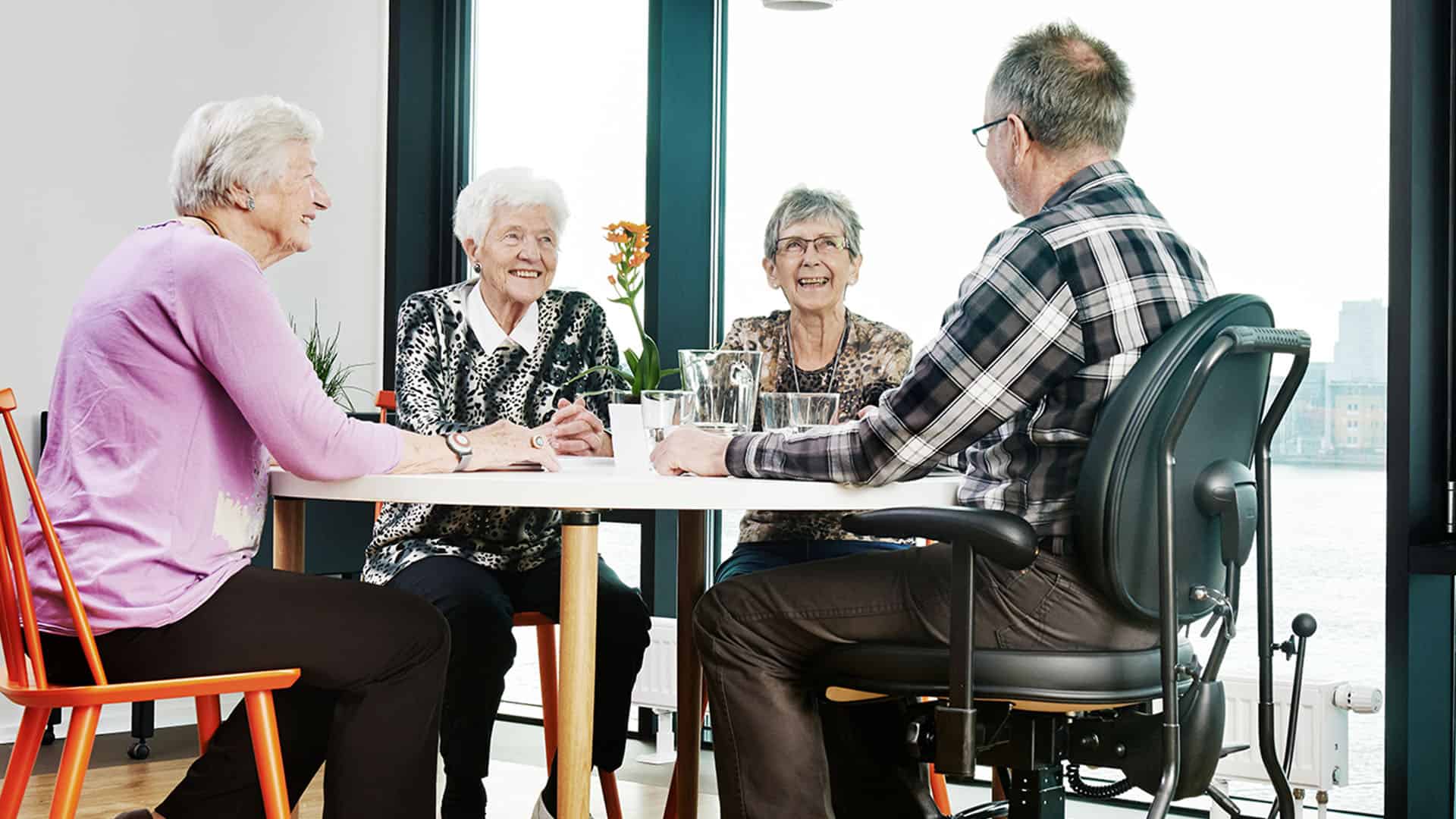
In an era of evolving senior care needs, solutions like the VELA Independence Chair offer a pathway for older adults to maintain their independence at home longer. This innovative mobility chair incorporates features such as a central brake for secure seating, electric height adjustability, and ease of movement. By enhancing capabilities in essential activities, it can significantly delay the necessity of moving into a nursing home. A life with a VELA chair supports dignity and safety, enabling individuals to effortlessly engage in everyday activities, from preparing meals to relaxing. While it is one among many options, the VELA Independence Chair remains a proven, practical choice that aligns with the growing preference for aging in place, offering reassurance and ease for both seniors and their caregivers.
Rehabilitation Practices and Therapy Innovation
Current rehabilitation practices at skilled nursing facilities like Abbott focus on individualized, data-driven care with the use of advanced technology. Intensive therapy programs using digital tracking and AI-assisted planning are implemented to maximize outcomes. Recent research indicates that the most significant rehabilitation gains occur when therapy exceeds 14 hours per week, guiding how therapy intensity and frequency are tailored for each resident, based on their needs and progress.UCSF News – Study on Intensive Rehabilitation Frequency and Outcomes
References
- Synchrony Financial – The Future of Home Health Care: Trends to Watch in 2025
- Shepherd Premier Senior Living – Healthcare Rehab Center Trends 2025
- ButterflyMX Blog – Senior Living Technology Trends 2025
- Harvard Business Review Health Care Blog – The Future of Senior Living Trends
- Everything Medical Online – The Latest Trends in Mobility Aid Technology for 2025
- UCSF News – Study on Intensive Rehabilitation Frequency and Outcomes