

Updated September 2025: We have updated the article to reflect the latest trends in AI-powered assistive mobility devices, ergonomic and inclusive design innovations, advances in hybrid tele-rehabilitation practices, and 2025 regulatory priorities for nursing homes. We have also highlighted the evolving responsibilities of admissions directors in coordinating technology and care planning, in line with current expert recommendations and policy updates.
Admissions Director Role in Nursing Homes: Navigating Challenges and Opportunities
The role of an admissions director in a nursing home is pivotal, shaping the experiences of residents and managing the operational flow of the facility. As healthcare policies evolve and the demand for quality long-term care increases, the position of admissions director becomes even more significant. According to the National Investment Center (NIC), the occupancy rate for nursing care rose to 84.5% in the third quarter of 2024, reflecting an uptick in demand. Furthermore, the Centers for Medicare & Medicaid Services (CMS) have finalized a 4.2% increase in Medicare payments to skilled nursing facilities for fiscal year 2025, stressing the importance of adept admissions management.
The Role of an Admissions Director in Nursing Homes
The admissions director in a nursing home is responsible for overseeing the admissions process, ensuring a seamless and compassionate transition for residents and their families. According to ZipRecruiter, they manage admission-related staff and ensure all protocols and procedures are rigorously followed. This role extends beyond processing applications; it includes providing comprehensive information about the facility’s services and programs and nurturing transparent communication. Practical examples of their duties include conducting facility tours, discussing financial options, and coordinating with medical teams to assess the specific needs of incoming residents.
With the latest introduction of AI-powered assistive technologies and advancements in ergonomic design, the admissions director now also plays a crucial role in evaluating residents’ mobility, assistive, and rehabilitation needs. Admissions directors work collaboratively with rehabilitation professionals and technology vendors to assess, implement, and coordinate the deployment of AI-enhanced devices and modular ergonomic solutions, ensuring both safety and autonomy for incoming residents. They are expected to have foundational knowledge of emerging assistive technologies and to integrate these considerations into admission planning, supporting a smooth transition into care that leverages up-to-date innovations to enhance resident well-being. Family and resident preferences for technologies that maintain privacy and promote independence are increasingly respected in these discussions.
Key Qualifications and Skills Needed for Admissions Directors
Success in this leadership role requires a distinct set of skills and qualifications. As highlighted by Salary.com, a background in healthcare administration or a related field is often necessary, with relevant certifications enhancing one’s competency. Admissions directors must exhibit excellent organizational and communication skills, crucial for handling delicate transitions and consulting with families. Continuous professional development is important to stay abreast with industry standards and policies. Expertise in understanding regulatory compliance, as emphasized by studies in The Gerontologist, is vital for sustaining service quality.
Staying current in 2025 also means proactively learning about advancements in AI-driven assistive mobility, tele-rehabilitation models, and ergonomic equipment. Admissions directors are encouraged to undertake training in relevant technology and collaborate closely with occupational therapists and clinical staff to ensure that admitted residents’ needs are comprehensively assessed and integrated within technologically updated care plans.
How the Admissions Process Works in Nursing Homes
The admissions process is a multi-step approach, from initial facility inquiries to moving in. According to MightyRecruiter, admissions directors coordinate closely with nursing and financial departments to ensure a smooth transition for new residents. They evaluate admissions decisions based on Medicare and insurance considerations, ensuring that all residents’ financial and healthcare coverage needs are met, as detailed by Medicare.gov and CMS.gov.
Emerging practices since mid-2025 require admissions directors to conduct facility assessments with increased attention to technological resources, infection prevention, and matching resident acuity per updated CMS 2025 survey priorities. New regulatory recommendations support comprehensive documentation and integration of assistive devices into individual care plans from the point of admission, ensuring compliance while optimizing resident outcomes. Directors also assist families in exploring hybrid rehabilitation services, where virtual therapy and wearable sensor monitoring supplement in-person sessions.
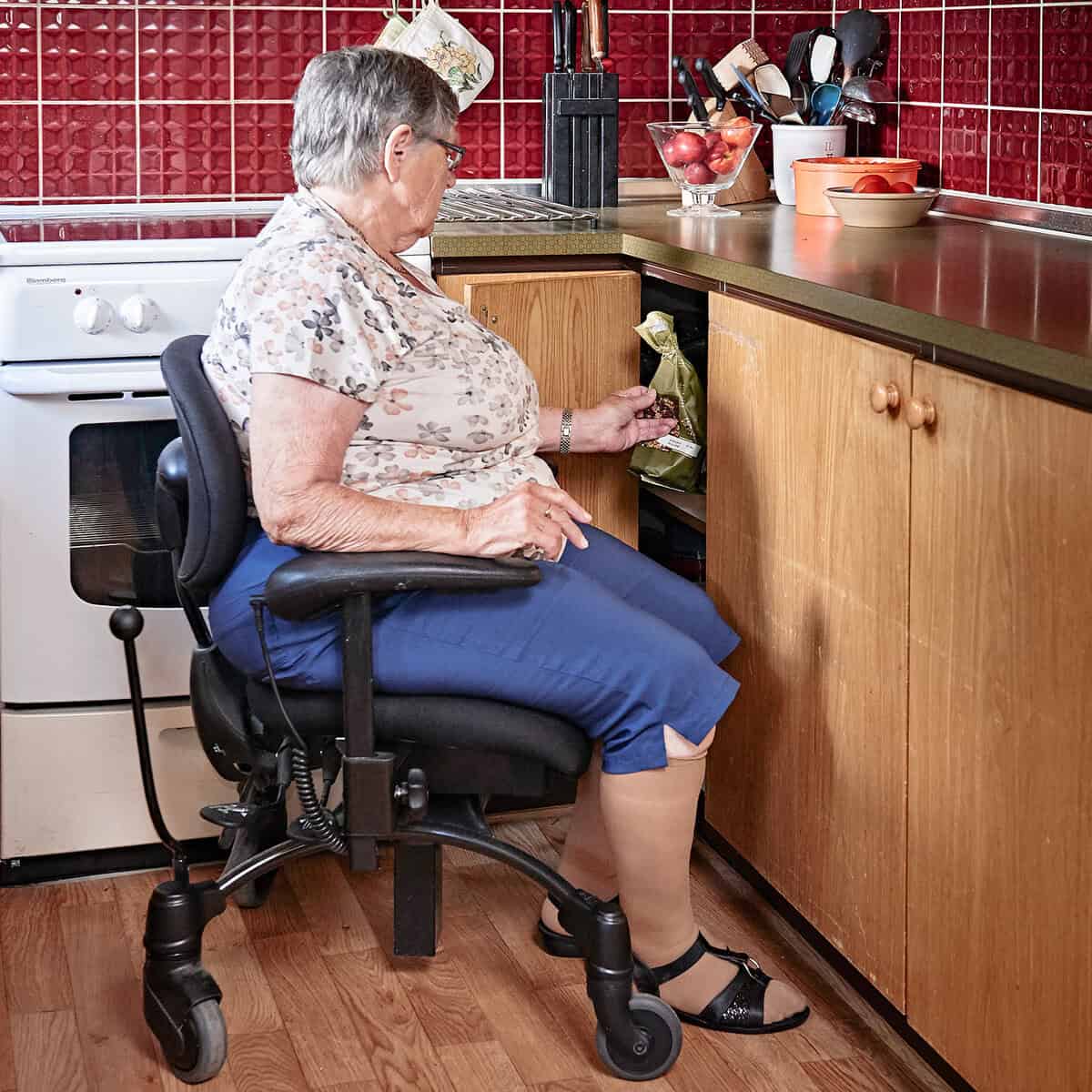
As the challenges within nursing homes increase, solutions that support older adults in maintaining their independence at home have become vital. Among various mobility aids, VELA chairs emerge as a medically approved option. These chairs are specifically designed to provide enhanced safety, freedom of movement while seated, and support for essential daily activities like cooking, dressing, or transferring. They lighten the load on informal caregivers by offering features that promote independence and the dignity of the user. Incorporation of new ergonomic and modular seating systems, developed with occupational therapist and resident input, further support both user comfort and ease of caregiver assistance.
Navigating Industry Trends and Challenges in Nursing Home Admissions
The rising occupancy rates and policy modifications offer both opportunities and challenges. Adapting to these changes requires strategic planning and resource allocation. The industry continues to evolve, making it crucial to understand trends. The National Investment Center (NIC) provides insights into these dynamics. Recent reviews from AC Plus suggest a continued demand for skilled admissions professionals who can effectively anticipate and manage these shifts.
Admissions directors in nursing homes are essential in connecting potential residents with necessary services, ensuring regulatory compliance, and maintaining operational efficiency. In 2025, they also serve as liaisons for the integration of AI-powered and ergonomic assistive devices, hybrid rehabilitation programs, and inclusive care environments that uphold new safety and independence standards. Families and professionals must weigh traditional nursing home care options alongside innovative solutions, such as VELA chairs, that enhance resident independence and safety. By balancing these aspects, one can achieve optimal outcomes for loved ones, respecting both the current healthcare landscape and the autonomy deserved by its inhabitants.
Supporting Aging in Place: A Practical Option
VELA Chairs offer significant benefits for those striving to remain independent at home, addressing key challenges like safety, energy conservation, and mobility. These chairs feature a central brake for enhanced safety, electric height adjustability, and ease of movement while seated, thus providing full support during daily activities. Such features not only help in conducting regular tasks like cooking or cleaning but also bring dignity, freedom, and reassurance to seniors and their caregivers alike. While VELA is a distinguished solution, exploring a range of mobility aids can further help tailor personal independence strategies to delay or even negate the need for nursing home care. With these chairs, seniors can enjoy a more active and fulfilling life, preserving their autonomy and reducing caregiver strain. For more on the possibilities, explore Mobility Solutions for Elderly and insights into Safety Measures for Seniors.