

Updated September 2025: We have updated the article to include the latest regulatory developments in Alabama nursing home care, such as the extension of the Medicaid bed assessment program through 2028, current 2025 Medicaid eligibility criteria, findings from the August 2025 OIG report on background check compliance, updated health provider licensing standards, and revised physical plant requirements for nursing homes. These changes emphasize new safety, accessibility, and quality measures affecting both facility operations and resident care.
The Alabama Nursing Home Association: A Pillar in Senior Care
The Alabama Nursing Home Association (ANHA) serves as a crucial advocate and representative for nearly every licensed skilled nursing facility in the state of Alabama. Since its establishment in 1951, ANHA has supported 98% of Alabama’s licensed facilities, amounting to 231 nursing homes dedicated to ensuring high-quality care for the state’s elderly population. According to the ANHA website, this association not only embodies the interests of its members but also plays a vital role in shaping healthcare policies and standards across Alabama.
The Alabama Nursing Home Association: History and Mission
ANHA was founded with the mission of representing and supporting Alabama’s skilled nursing facilities. Its leadership structure comprises seasoned professionals adept in advocating for improved care standards and better resources for nursing homes. Through its policy development and advocacy efforts, ANHA sheds light on the unique challenges faced by the nursing home industry. For instance, initiatives like ANHA’s rigorous training programs and legislative campaigns are frequently praised by members for significantly enhancing the quality of care, as noted by their staff page.
Alabama’s Nursing Home Landscape
The strategic distribution of nursing homes across Alabama ensures that every county provides its residents with access to necessary care. Facilities offer a broad range of services, including 24-hour skilled nursing care and specialized therapies. The Alabama Department of Public Health governs this regulatory framework, ensuring strict adherence to standards for licensing and certification to safeguard resident safety and quality of care. Regulatory oversight is maintained through ongoing cycles such as the 2025 license renewal, which emphasizes compliance with updated provider standards, including nursing staff practices and specialized service procedures.[5] More information on these standards can be found via the Alabama Department of Public Health. Reports from the industry underscore Alabama’s commitment to accessibility and a variety of comprehensive care options.
Recent legislative action extended the supplemental privilege assessment and surcharges on nursing home beds through August 31, 2028, maintaining funding mechanisms critical for facility operations and quality improvement.[1]
Quality of Care in Alabama Nursing Homes
Alabama’s nursing facilities have made remarkable progress in providing quality care, often surpassing national averages in key performance metrics. For example, the Protect The Vulnerable campaign demonstrated Alabama’s achievements in maintaining high standards of care. This has resulted in fewer emergency visits and improved resident mobility compared to national figures, as highlighted by Protect The Vulnerable. Additionally, about 90% of residents express high satisfaction with their care experience, underscoring the ongoing efforts by nursing homes to improve the quality of life for their residents, as reported by the ANHA.
There is increased attention to compliance and safety, as underscored by an August 2025 U.S. Office of Inspector General report identifying gaps in Alabama’s verification of nursing home employee background checks. The review found that in a sample of 439 employees, 139 did not have federally or state-required background checks on record.[4] Recommendations call for strengthened policy and oversight to ensure timely and complete employee screening, which is essential for resident safety and confidence in care quality.
Selecting a Nursing Home in Alabama
Choosing the right nursing home is a monumental decision for many families. ANHA provides resources that help families navigate this process, offering guidelines on evaluating facility ratings and certifications. It is recommended that families assess alternatives aligning with individual needs, such as the increasingly popular in-home care solutions. Alabama’s home care industry is flourishing, projected to reach $1.7 billion by 2025, indicating a shift towards home-based options as reported by IBISWorld.
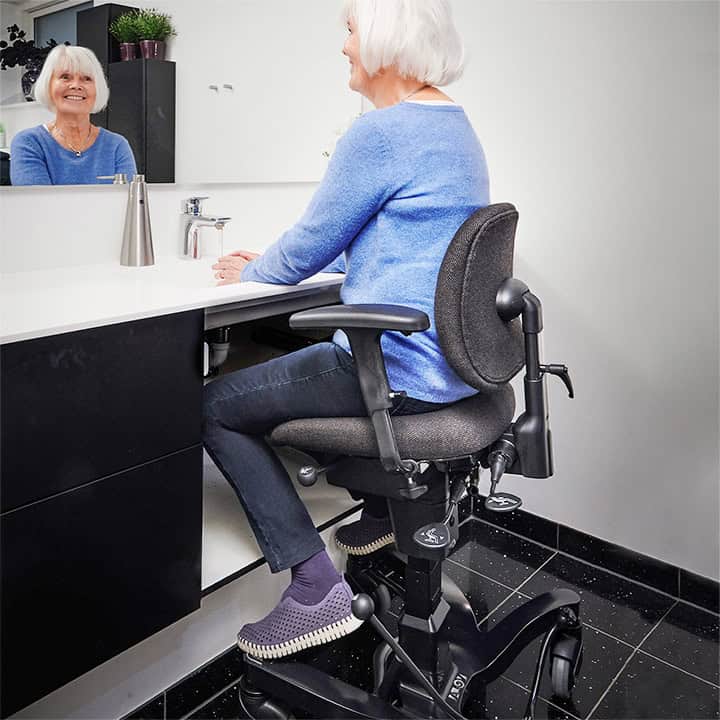
As discussions on the challenges within nursing homes progress, it’s evident that families are increasingly exploring ways to keep their loved ones independent at home for longer durations. Maintaining mobility and independence often presents a challenge as individuals age, impacting their quality of life and the caregiving burden. Solutions like the VELA Independence Chair offer a promising alternative. This medically approved mobility chair is designed for home use, enhancing safety and freedom of movement while seated. It supports daily activities like cooking, dressing, or transferring, helping to reduce the load on informal caregivers while enabling seniors to remain in their familiar environment.
The Future of Skilled Nursing Care in Alabama
Alabama’s nursing home industry is on a growth trajectory, driven by increasing demand for skilled nursing services and innovations in care practices. Workforce development continues to be a priority, addressing the rising need for qualified caregiving professionals. The sector faces unique challenges, such as adapting care practices to integrate modern technology, but these also represent opportunities to improve the elderly’s quality of care. Regulatory focus is reflected in the continued requirements for provider licensure, patient care standards, and specialized service procedures such as infusion therapy.[5]
Eligibility for Medicaid nursing home care in Alabama, as of 2025, continues to require meeting income limits ($2,901 per month for applicants), asset thresholds, and stringent functional and medical criteria, with assessment focused on demonstrated need for full-time care based on activities of daily living, which include both mobility and cognitive functions.[2], [3] Facilities are also required to comply with updated spatial and physical plant standards according to the Alabama Administrative Code, which specify minimum room sizing, accessible restrooms, and ergonomic design to enhance resident safety and mobility.[6]
In conclusion, the Alabama Nursing Home Association remains a cornerstone of the state’s healthcare system, representing nursing facilities’ interests and advocating for upholding high care standards. Whether through traditional nursing homes or alternative home care options, informed decision-making is essential for families seeking elder care solutions. By weighing these considerations carefully, families can ensure that their loved ones receive the support and care necessary for maintaining dignity and quality of life as they age.