

Updated September 2025: We have updated the article with the latest advancements in AI-powered assistive technologies, recent trends in user-device integration, and the July 2025 CMS updates to the Nursing Home Five-Star Rating System. The article now also references expanded Medicare Advantage I-SNPs, refined approaches to measuring nursing home quality, and innovative rehabilitation devices supporting independence and improved resident outcomes.
Understanding Alden Wentworth Rehab & Health Care Center
Alden Wentworth Rehab and Health Care Center, located at 201 W. 69th St., Chicago, IL 60621, serves as a crucial healthcare facility for the urban population residing on Chicago’s South Side. This predominantly African-American community relies heavily on Alden Wentworth to address its healthcare needs. Despite its historical importance, Alden Wentworth has faced significant scrutiny regarding staffing levels and service quality. According to the Illinois Department of Healthcare and Family Services 2020 Cost Report, the facility comprises 300 beds with an occupancy rate of 57.93%. Challenges such as understaffing and subpar performance have become focal points for improvement.
Evaluating Performance and Resident Outcomes at Alden Wentworth
When potential residents and their families consider Alden Wentworth, they often analyze the performance indicators that highlight several areas of concern. According to Medicare.gov Care Compare, Alden Wentworth holds a Medicare rating of one star. This rating is due to various factors, including inspection outcomes and staffing concerns. Residents’ experiences reveal issues such as increased prevalence of pressure ulcers and a low discharge rate. Furthermore, the facility’s flu vaccination rate for long-stay residents stands at 82%, compared to the Illinois average of 92.8% as noted by Robert Kreisman Law Offices.
Legal challenges have further complicated the facility’s reputation. A class-action lawsuit in 2022 highlighted allegations of chronic understaffing and negligence according to Levin & Perconti. Such legal issues underscore the systemic challenges that can impede quality care and resident satisfaction.
Addressing Staffing Levels and Quality of Care Concerns
The staffing levels at Alden Wentworth fall below desirable standards. Certified Nursing Assistant (CNA) hours per resident average 1 hour and 38 minutes daily—significantly below the Illinois average of 2 hours and 15 minutes as highlighted by Robert Kreisman Law Offices. The facility also struggles with physical therapy staffing, providing less than one minute per resident each day, while state and national averages exceed six minutes. These deficits directly influence resident care quality, as evidenced by the average long-stay resident pressure ulcer rate of 7.5%, higher than both state and national averages according to Senior Housing Net.
Families of residents often express dissatisfaction due to these shortcomings, and addressing these staffing issues could significantly improve overall outcomes and elevate the facility’s standing in the healthcare community.
Exploring Alternatives and Innovations in Senior Care
For families and individuals seeking more effective care options, it is crucial to understand alternatives to traditional nursing homes. Nearby facilities such as Symphony of South Shore and Warren Barr South Loop offer varied amenities and might better meet certain individual needs, providing a more satisfactory experience for residents.
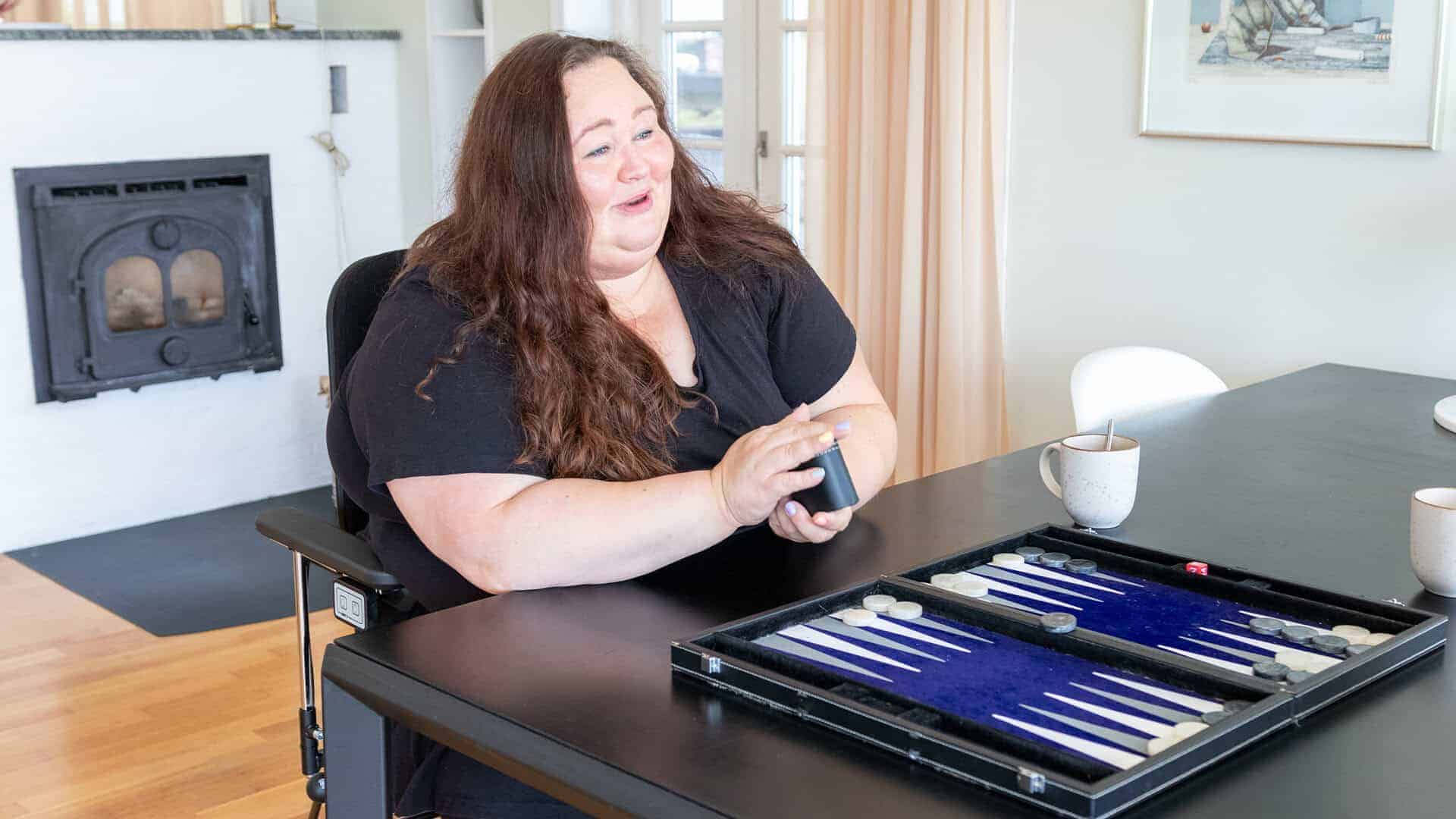
Additionally, innovative care models and technological advancements are providing promising alternatives. Many older adults desire to maintain independence at home, which has highlighted the role of modern solutions that facilitate this. One compelling option is the VELA Independence Chair, a medically approved mobility chair designed for home use. It enhances safety and freedom of movement while seated and supports daily activities such as cooking, dressing, or transferring. This reduces the reliance on informal caregivers and can potentially delay the need for nursing home placement.
Recent advancements in assistive technology further expand these options. AI-powered devices, such as smart glasses offering real-time navigation and facial recognition (e.g., VisionX AI Glasses), as well as brain-computer interfaces like the NeuroGrip Arm, now enable individuals with visual, mobility, or sensory impairments to interact more naturally with their environment. Exoskeletons and user-friendly robotics are increasingly accessible, providing enhanced mobility and autonomy for residents in both home and care settings. Improvements in adaptive device design and user-technology integration foster independence and support more effective rehabilitation and recovery processes.[1][5][6]
Changes in Medicare Advantage also support improved care experiences for institutional residents. Provider-sponsored Institutional Special Needs Plans (I-SNPs) are becoming more widely adopted and offer better coordination and oversight for residents, benefiting those in nursing facilities like Alden Wentworth.[2]
Conclusion: Balancing Traditional and Innovative Care Solutions
Alden Wentworth Rehab and Health Care Center, despite its challenges, remains a significant resource for the population of Chicago’s South Side. Its experiences highlight the continual struggle with adapting to the growing demands of urban healthcare.
The regulatory landscape for nursing homes has recently evolved with July 2025 updates to the CMS Five-Star Rating System. These changes now provide more comprehensive and transparent quality assessment tools, refined inspection cycles, and chain-level data reporting, allowing families to make more informed choices based on resident outcomes and organizational performance.[3][4]
Exploring options like VELA chairs and integrating advanced assistive technologies offer families balanced approaches that blend traditional nursing home care with innovative solutions. This ensures tailored care that meets the individual needs of their loved ones and supports independence and well-being. Decisions regarding senior care should embrace these evolving trends and advances, guaranteeing both efficiency and empathy in care delivery.
Reducing Caregiver Burden Through Smart Seating
Mobility solutions like the VELA Independence Chair can significantly impact an individual’s ability to remain independent longer at home. Designed to offer enhanced safety with its central brake system, electric height adjustability, and ease of movement while seated, the VELA chair is instrumental in daily activities such as cooking, cleaning, or simply relaxing. By minimizing the risk of falls and conserving energy, these features not only boost the user’s confidence and dignity but also ease the burden on caregivers. Compared to life without such assistive devices, where mobility-related challenges might accelerate a move to a nursing home, the use of the VELA chair and similar solutions may delay that transition, supporting aging in place. While not the sole solution, VELA represents a practical and proven approach to enhancing quality of life for seniors and their families.
References:
- ThinkBeyondTheChair.org. The Best Assistive Tech Gadgets in 2025: Enhancing Independence Through Innovation
- AHCA/NCAL – MedPAC June 2025 Report to Congress on Nursing Home Trends and I-SNPs
- Strategic Healthcare Programs – CMS Updates to Nursing Home Five-Star Rating System and Care Compare, July 2025
- AHCA/NCAL – CMS Nursing Home Care Compare and Five-Star System Updates (QSO-25-20-NH memorandum)
- PMC – Recent trends in assistive technology for mobility
- Equal Accessibility LLC – Innovations in Assistive Technology overview