

Updated September 2025: We have updated the article with new advancements in assistive technologies—including AI-powered smart mobility devices, wearable health monitors, and smart home integrations—recent CMS regulatory changes affecting nursing home operations and resident rights, and enhancements in telehealth and rehabilitation practices that prioritize safety, autonomy, and quality assurance.
Overview of Autumn Lake Healthcare at Alice Manor
Autumn Lake Healthcare at Alice Manor, formerly known as Alice Manor Nursing and Rehabilitation Center, stands as a key nursing and rehabilitation facility strategically located at 2095 Rockrose Avenue, Baltimore, Maryland. This institution benefits from its proximity to renowned medical centers, providing invaluable convenience for both residents and visiting healthcare professionals. Since 2015, Alice Operator LLC, led by Dan Levinger, has overseen its operations. As part of the Autumn Lake Healthcare network, this facility joins over a dozen others across Maryland, New Jersey, and Connecticut. According to ProPublica, this affiliation underlines the facility’s broad-scale operational expertise and healthcare delivery experience.
Quality Ratings and Performance Metrics
Autumn Lake Healthcare at Alice Manor is reviewed within Medicare’s comprehensive five-star quality rating system, crucial for assessing nursing homes on health inspections, staffing, and quality measures. According to Medicare.gov, the facility delivers an adequate standard of care, though opportunities for enhancement exist, notably in staffing and retention practices. The facility reports staffing levels at 3.31 nurse hours per resident per day, lower than the state average of 3.8. Furthermore, the nurse turnover rate is 60.5%, significantly above Maryland’s average of 43.4%, as highlighted by ProPublica. Such metrics emphasize the importance of strategic staffing improvements. Testimonies from family members, collected by Miller & Zois, point to a commendable dedication from individual staff members, although challenges in sustaining consistent care arise due to staffing fluctuations.
In 2025, updated CMS regulations have strengthened the emphasis on quality assurance and resident rights in nursing home environments. Enhanced requirements include stricter oversight related to psychotropic medication use, reinforced staff reporting through Payroll-Based Journal (PBJ) data, and greater attention to health equity in care assessment and planning. These measures hold facilities more accountable for continuous improvement and resident-centered practices (SandbergPhoenix.com; PALTmed.org; HallRender.com).
Services and Specialized Care Programs
Autumn Lake Healthcare offers an extensive range of services designed to cater to the unique needs of its residents, from short-term rehabilitation to long-term care solutions. The facility excels in managing complex medical conditions through its 24-hour skilled nursing services and targeted therapy programs (NursingHomeSite). Additionally, residents enjoy various engaging activities and recreational programs aimed at enhancing their quality of life. The integration of industry-standard care practices ensures both physical and emotional support to residents.
In recent years, there has been a significant shift toward integrating advanced assistive technologies to support resident independence and safety. AI-powered smart wheelchairs now offer features such as GPS navigation, collision avoidance, real-time health monitoring, and voice-activated control, greatly enhancing autonomy and reducing fall risk. Wearable sensor-based fall detection and health monitoring systems have become standard, enabling immediate response to incidents and proactive care management (EverythingMedicalOnline.com; SynchronyFL.com).
Smart home technologies—including voice-activated assistants, automated lighting, medication dispensers, and remote environmental controls—are increasingly embedded within senior living environments, supporting daily routines and comfort. Telehealth platforms are now also a core feature, giving residents access to virtual medical consultations and remote management of chronic conditions, which reduces hospital visits and supports ongoing care (ButterflyMX.com; HeisingerBluffs.com).
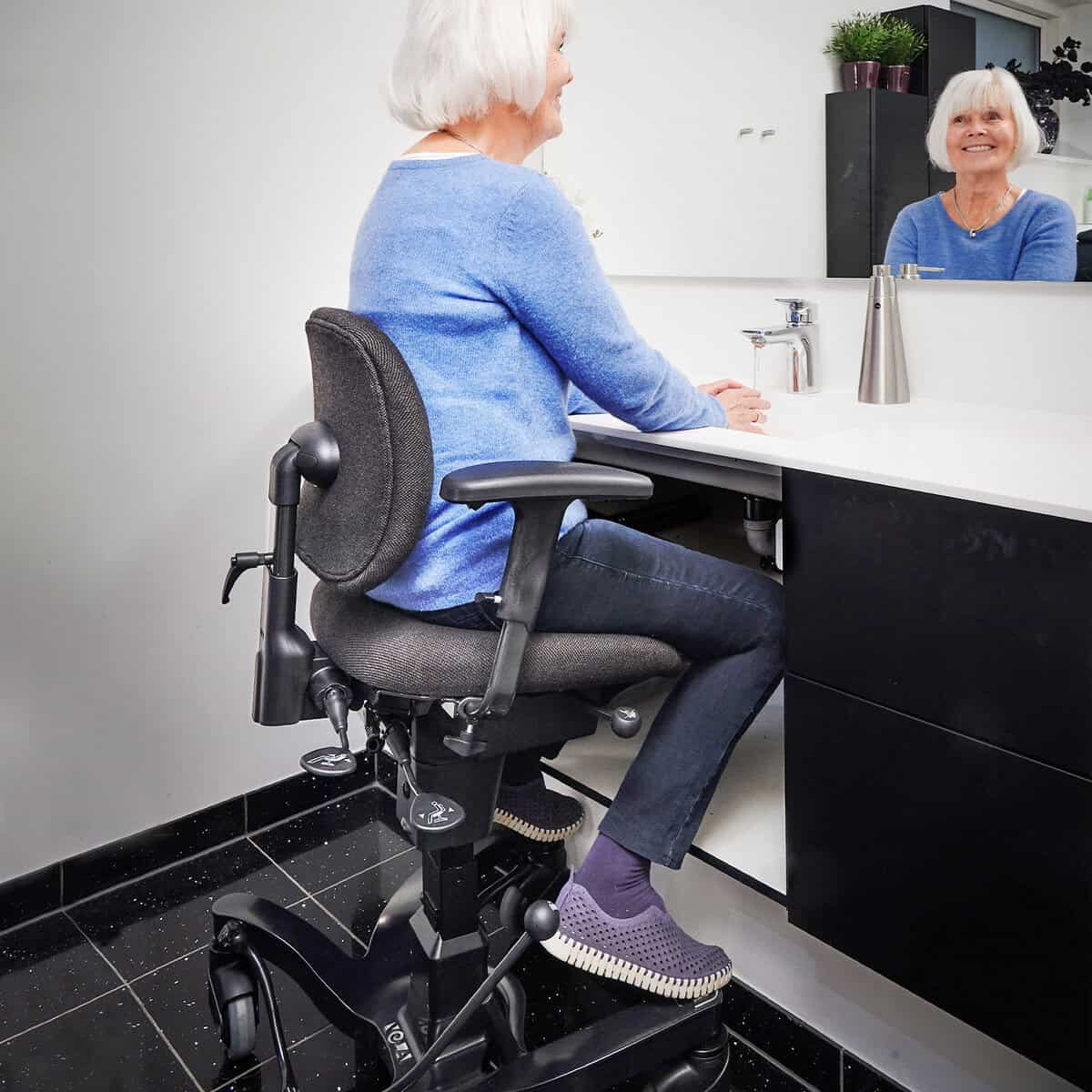
In addressing these challenges, more families are exploring in-home alternatives that promote autonomy and reduce dependence on institutional care. Solutions such as the VELA Independence Chair are particularly appealing, as they emphasize keeping older adults safely independent within their homes. The VELA chair stands out as a medically approved mobility aid, enhancing safety with features like a central brake, facilitating freedom of movement while seated, and supporting daily activities such as cooking, dressing, and transitioning between positions. This reduces the load on informal caregivers and offers a practical alternative to full-time nursing home care.
Resident Experience and Testimonials
Residents at Autumn Lake Healthcare, typically around 73 years of age, experience a residency that blends the marketed ‘homelike environment’ with the structural realities of aging. According to NursingHomeSite, family testimonials reflect satisfaction intertwined with the pursuit of improvements. One resident’s daughter notably mentioned, “While my mother feels at home here, we continuously seek ways, including integrating mobility aids, to ensure her safety and comfort,” highlighting the facility’s efforts and ongoing challenges in creating a supportive and adaptable living environment.
Recent advancements in rehabilitation within nursing homes utilize AI and predictive analytics to personalize care plans, help identify fall risks, and optimize rehabilitation outcomes. These adaptive approaches ensure interventions are tailored to individual behaviors and needs, supporting comfort and enhancing resident wellbeing (ButterflyMX.com).
Financial Considerations and Insurance
Navigating the financial complexities of skilled nursing care is often overwhelming. Participating in both Medicare and Medicaid, Autumn Lake Healthcare alleviates part of the financial burden by covering substantial portions of care costs. For families planning long-term care, understanding these coverages is crucial, and exploring additional payment options is recommended (Medicare.gov). Expert guidance often encompasses a combination of savings, insurance, and strategic financial planning to balance high-quality care with economic practicality.
Supporting Aging in Place: A Practical Option
With the aging population’s desire to remain at home for as long as possible, mobility solutions like the VELA chairs present a viable option. These chairs incorporate crucial features, such as a central brake for safety, electric height adjustability, and ease of movement while seated, significantly improving residents’ quality of life and autonomy. They address key issues like preventing falls (as detailed in the Mobility Aids for Fall Prevention guide) and reduce caregiver burden. This empowerment enables older adults to undertake everyday tasks—like cooking and relaxing—more comfortably, often delaying the transition to nursing home care. While VELA provides a robust solution, it’s essential to consider various aids to best support aging in place, valuing dignity, safety, and independence above all.