

Updated September 2025: We have updated the article with new findings on the integration of AI-driven assistive devices, smart home technologies for fall prevention, telehealth as a standard care modality, and the evolving regulations on AI usage and data privacy in nursing homes. The update also highlights the adoption of predictive analytics and advanced mobility aids supporting senior independence.
Embracing elder care at Alma Nursing and Rehabilitation Center
Nestled in the community-focused town of Alma, Arkansas, the Alma Nursing and Rehabilitation Center serves as a vital resource for elderly care. This facility not only supports Alma’s senior residents but also plays a crucial role in the town’s social fabric. According to Medicare.gov, it is rated 3 out of 5 stars and offers essential services approved by Medicare and Medicaid, maintaining an impressive occupancy rate of 92%. This ability to consistently fill beds highlights its significance to local retirees looking for trusted care.
Comprehensive overview of Alma Nursing and Rehabilitation Center
Located in the heart of Alma, the nursing center prides itself on a history of dedicated service to seniors. With ownership under Alma Healthcare and Rehabilitation Center, there is a continuity in its mission to provide high-quality care. According to the Arkansas Department of Human Services, the facility focuses on both rehabilitation and long-term care, adapting to the diverse needs of its residents. Resources from the Senior Service Directory note the center’s efforts in creating a safe and comfortable environment, underscored by positive testimonials from families celebrating personalized and compassionate care.
Evaluating quality ratings and services at Alma Nursing Home
The quality rating of 3/5 is a reflection of the facility’s compliance with federally mandated care standards, as per Medicare.gov. While inspections reveal room for improvement, they also acknowledge consistent service delivery. The center provides specialized services crucial for elderly wellness, including skilled nursing and therapeutic rehabilitation. Medicare.gov confirms these offerings, highlighting their practical implications for families seeking reliable care options for their loved ones.
Recent advancements in senior care technology are being adopted in care environments like Alma Nursing and Rehabilitation Center. In 2025, facilities are increasingly integrating AI-driven assistive aids, such as smart wheelchairs with GPS, voice control, and collision avoidance, as well as wearable health monitors and smart medication dispensers that track vital signs and alert staff to impending health issues.[1] These innovations enhance safety, autonomy, and proactive care for elderly residents. The adoption of AI-powered predictive analytics now allows staff to monitor residents’ mobility and health trends, enabling timely interventions to reduce fall risk and prevent hospitalizations.[2] [3] Telehealth and remote monitoring have also become established aspects of ongoing clinical care and family engagement.[2]
Understanding costs and occupancy at Alma Nursing Home
Understanding the financial aspects is essential when choosing a nursing home. According to the National Investment Center for Seniors Housing & Care, the state average costs range between $6,000 and $7,000 per month for semi-private rooms. The high occupancy rate of the Alma facility, as revealed by the Senior Service Directory, suggests a level of trust in its services. With flexibility in accommodating both Medicare and Medicaid funding, the facility demonstrates its commitment to serving the community’s diverse economic backgrounds.
The rising national shortage of caregivers in 2025 has further increased demand for enabling technologies.[5] This trend underscores the importance of assistive devices in supporting residents’ independence, often reducing the need for intensive traditional care. Facilities like Alma prioritize both care quality and technology adoption to ensure continuity even as staffing challenges persist.
Analyzing local nursing home market trends in Alma, Arkansas
In a broader context, the Alma Nursing and Rehabilitation Center maintains a strong position within the local market, particularly when compared to facilities within a 100-mile radius. Challenges such as staffing shortages and reimbursement rates shape these dynamics. According to ACPlus, trends show recovering occupancy rates and financial adjustments, indicating gradual market stabilization. Such trends could significantly impact potential residents, encouraging families to consider both current and future care environment scenarios.
Modern rehabilitation devices also now use AI to adapt to user behavior, optimizing comfort and recovery for seniors.[1] [3] Smart home features—such as voice-controlled lighting and remote security—are increasingly integrated, reducing fall risk and supporting seniors’ mobility within care communities.[3]
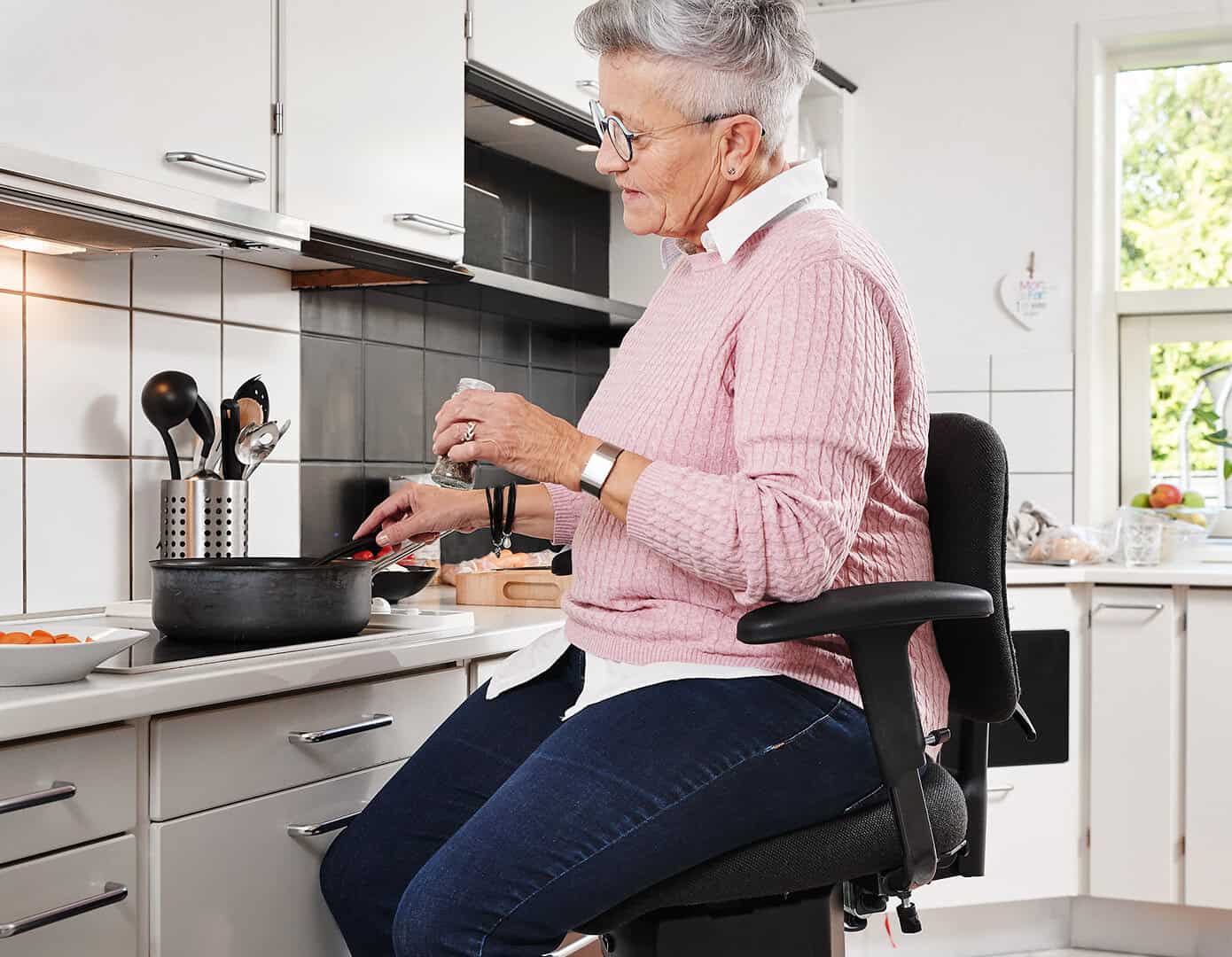
As more families explore ways to maintain independence for their elderly relatives, mobility solutions like VELA chairs become increasingly relevant. While nursing homes face challenges such as staffing and financial constraints, many older adults seek autonomy within their homes. VELA, a medically approved mobility chair, offers a practical solution to enhance safety and independence at home. These chairs support freedom of movement while seated, assist with activities like cooking and dressing, and alleviate the burden on informal caregivers, thereby offering a possible alternative to traditional nursing home care.
Weighing nursing homes and modern care alternatives
In summary, Alma Nursing and Rehabilitation Center stands as a supportive pillar in the regional healthcare system, bridging traditional care practices and modern expectations. While the center’s quality of care and comprehensive support services make it a strong choice for elderly residents, comparing these offerings with innovative home care alternatives like mobility solutions is crucial. This balanced approach ensures that families can make well-informed decisions that best fit their unique circumstances and preferences for senior family members.
Facilities are also adapting to new regulatory expectations for AI use and data privacy to ensure ethical, secure, and bias-free application of technology in senior care.[7] These standards provide reassurance for families considering the role of AI-enabled systems in eldercare settings.
Exploring alternatives to nursing homes
The innovative design of VELA Chairs enables seniors to remain independent longer, reducing the need for early nursing home admission. Key features such as a central brake for enhanced safety, electric height adjustability, and ease of movement while seated help seniors manage daily activities with dignity and minimal strain. These chairs designed for elderly mobility fit seamlessly into home environments, offering practical support for cooking, dressing, and even leisure activities.[4] While they are not the only solution, VELA Chairs exemplify how thoughtful ergonomics and design can support aging in place, ensuring seniors maintain their freedom and safety in everyday life.
References:
[1] Synchrony Home Health Care on 2025 trends in senior care technology
[2] ButterflyMX blog on senior living technology trends and the role of AI predictive analytics and telehealth
[3] Heisinger Bluffs on smart homes, AI monitoring, and telemedicine in senior living communities
[4] Everything Medical Online on latest assistive technology mobility aids including smart wheelchairs in 2025
[5] UnitedHealthcare Community & State overview of enabling technology transforming home-based care
[6] Envision community blog on the future of assistive technology with AI assistants
[7] Skilled Nursing News outlining AI regulations and technology adoption trends in skilled nursing facilities