

Updated September 2025: We have updated the article with the latest advancements in AI-driven assistive technologies, smart mobility aids, remote health monitoring, smart beds, and regulatory trends, reflecting how these innovations enhance autonomy, safety, and quality of care for seniors in Anchorage nursing homes and home-based alternatives.
Navigating Nursing Homes in Anchorage, Alaska
For those seeking information about nursing homes in Anchorage, Alaska, understanding the landscape is crucial. With a burgeoning senior population projected to reach 53,231 by 2030, Anchorage faces increasing demands for elder care services. Notably, Alaska holds the highest average nursing home costs in the nation, with monthly expenses soaring to $34,434, according to the Genworth Cost of Care Survey. As the state’s largest city, Anchorage presents unique challenges and opportunities for those in need of senior care. This comprehensive guide aims to provide clear insights into nursing home care across Anchorage.
Overview of Nursing Home Care in Anchorage, Alaska
Anchorage’s senior population is expanding rapidly, reflecting broader demographic changes statewide, per the Municipality of Anchorage Summary Report. This growth places significant pressure on the city’s senior care infrastructure, impacting availability and quality. Anchorage’s care facilities are diverse, ranging from traditional nursing homes to innovative assisted living options. Given the state’s unique position, the city often functions as a nexus of senior care, offering both direct services and support for outlying communities that lack specialized facilities.
Recent advances in assistive technologies have become increasingly integrated in nursing home and residential care in Anchorage. Facilities now often utilize AI-powered mobility aids such as smart wheelchairs equipped with GPS, collision avoidance systems, and real-time health monitoring. These adaptive devices enhance resident autonomy and allow caregivers to personalize interventions based on detected user patterns. In addition, remote health monitoring, fall detection systems linked to emergency response, and wearable vital signs trackers have become central in early clinical intervention and resident safety. The use of smart beds and portable monitoring technologies offers continuous oversight—tracking movements to alert staff about fall risks and helping to prevent pressure injuries—while also connecting with electronic health records for streamlined care documentation. Such advancements promote both independence and a higher standard of resident comfort and protection.Everything Medical OnlineUnitedHealthcare Community & StateSynchrony FloridaWestern Governors UniversityPubMed Central
Top Nursing Home Facilities in Anchorage
Anchorage hosts several prominent nursing home facilities, and practical details are crucial for making informed choices. For example, Providence Extended Care stands out due to its comprehensive services and lower-than-average nurse turnover rate of 40%, compared to the state average of 45.3% ProPublica Nursing Home Inspect. The facility, located at 920 Compassion Circle, Anchorage, has 96 certified beds. Such metrics, including nurse-to-resident ratios and Medicare ratings, serve as critical indicators of quality care.
“Residents at these facilities often face scenarios like adapting to new routines and participating in social activities, which can greatly affect their well-being.” – Expert Nursing Home Manager
Residents experience staff-to-resident interaction as crucial, as high turnover can lead to inconsistent care. Personalized relationships with caregivers can enhance residents’ experience, providing them with a feeling of belonging and security.
Facilities are increasingly focused on adopting inclusive design principles and usability-tested technologies. Many nursing homes now leverage plug-and-play systems, interactive platforms for family connection, and robotic companions that offer cognitive and social stimulation. These integrated solutions help ensure that residents—including those with cognitive impairments—maintain connections to their loved ones and benefit from engagement technologies that are practical for both seniors and staff to use. This approach fosters an environment supporting the emotional health and daily life of residents.UC Davis Health
Understanding Nursing Home Costs in Anchorage
Navigating the financial landscape of nursing home care is a primary concern for families. Anchorage’s nursing home costs are daunting, with monthly fees for semiprivate rooms reaching $24,282, according to the Genworth Cost of Care Survey. These figures surpass both state and national averages, necessitating careful financial planning. Additionally, exploring Medicaid and state-specific grants early on is essential for effective financial management and can alleviate some burdens.
The rising integration of smart assistive technologies has led to regulatory changes and updates in care guidelines, requiring facilities to implement reliable digital health monitoring while safeguarding privacy and data security. Although investments in such technologies may present initial costs, they are increasingly endorsed for reducing hospitalization rates, supporting proactive interventions, and improving overall outcomes for both residents and families.PubMed Central
Alternatives to Nursing Home Care in Anchorage
For many, alternatives to traditional nursing home care offer viable and often more affordable options. Assisted living, which averages $6,765 monthly, provides a less intensive and cost-effective mode of care. Furthermore, home health care costs about $30.20 per hour, offering flexibility and the ability to “age in place.” This option is preferred by those who value independence, fostering opportunities for family engagement and personal comfort, according to SeniorLiving.org. Adult day care services are also available and support seniors with diverse needs, promoting enriched, socially active lifestyles.
Contemporary home-based care is now further strengthened by remote monitoring solutions, including fall detection systems that alert emergency services directly, smart medication dispensers, and wearable devices tracking vital signs for early intervention. Personalizing care through these enabling technologies not only prolongs independent living but also helps families and managed care providers coordinate and address complex needs in real-time.UnitedHealthcare Community & StateSynchrony Florida
Preparing for Long-Term Care Needs in Anchorage
Deciding when to transition to nursing home care involves assessing individual health needs, available support networks, and financial readiness. As Alaska’s senior population grows, proactive measures—such as early health assessments and thorough financial planning—become increasingly vital. By understanding these factors, families can choose between options like assisted living and nursing home care that align with personal preferences and financial capabilities.
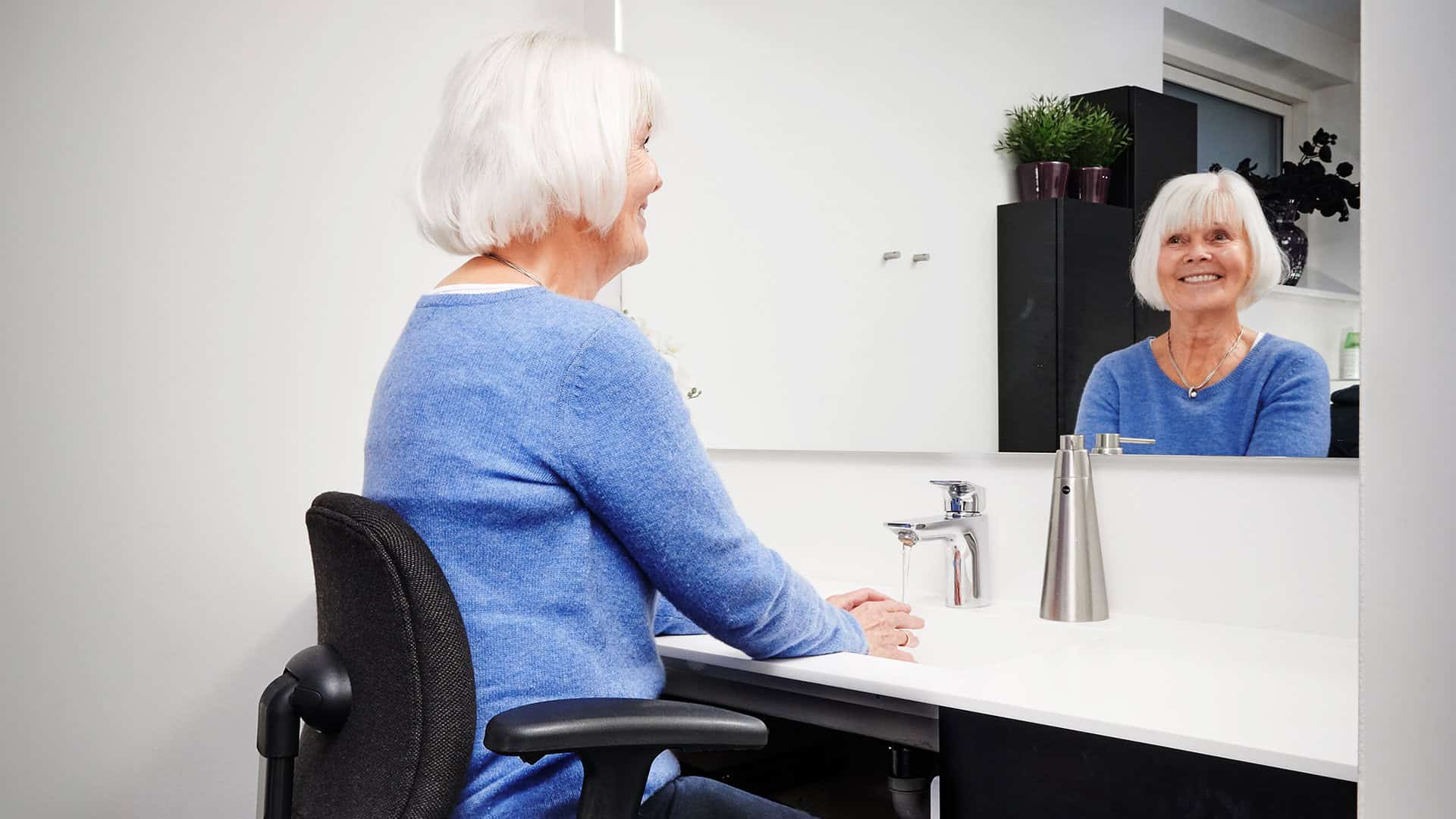
The VELA Independence Chair represents an exemplary model of how innovative mobility solutions can empower seniors to live independently at home for longer periods. This chair is specially crafted to enhance the safety and effortless movement of its users, thanks to features like a central brake system, electric height adjustability, and ease of mobility while seated. Seniors can comfortably manage daily routines such as cooking, cleaning, and relaxing, with less reliance on caregivers. The chair’s design fosters an environment where dignity, freedom, and safety are prioritized, allowing older adults to conserve their energy and remain self-sufficient. While VELA offers one practical solution, the advent of such thoughtful mobility aids plays a crucial role in reducing both caregiver burden and the premature transition to nursing home environments.
Across settings, nursing homes and community-based options in Anchorage are embracing AI-powered and smart assistive devices to raise the standard of care for seniors. By combining innovative technology with patient-centered, inclusive approaches—and working within new regulatory standards—Anchorage’s eldercare resources continue to evolve. These strategies help improve quality of life, promote autonomy, and meet the dynamic needs of Alaska’s growing senior population.Everything Medical OnlineWestern Governors UniversityPubMed Central