

Updated September 2025: We have updated the article to reflect new advances in assistive technology, including AI-driven wearable devices, adaptive ergonomic supports, and virtual rehabilitation tools. Recent regulatory guidance and best practices for culturally sensitive care, enhanced technology adoption, and improved user-centered design for diverse senior populations are also included.
Content Plan: Archie Hendricks Nursing Home
The Archie Hendricks Nursing Home stands as a beacon of excellence in senior care, particularly known for its five-star CMS rating and innovative cultural integration practices. This facility, located on the Tohono O’odham Nation reservation in Sells, Arizona, is a testament to culturally sensitive care’s power and importance. With a staff turnover rate of less than 2%, as opposed to the state average of 84% for certified nursing assistants, Archie Hendricks offers both stability and specialized attention to its residents, ensuring continuity and familiarity in caregiving.
The Archie Hendricks Senior Skilled Nursing Facility: History and Mission
Founded with the mission to serve the Tohono O’odham Nation, the Archie Hendricks facility prides itself on its foundation that values cultural heritage as a core component of care. According to the Harvard Project on American Indian Economic Development, the facility’s development marked a significant turning point in delivering healthcare to Native American elders within their community. Residents benefit not only from high-quality care but also from an environment that reflects their cultural values and traditions, a principle that has guided the center since its inception. The facility’s location on a remote desert reservation that spans over 2.8 million acres demonstrates its commitment to serving a population of more than 28,000 enrolled citizens of the Tohono O’odham Nation, offering healthcare deeply rooted in the community it serves.
Quality of Care and Cultural Integration
The Archie Hendricks Nursing Home has achieved a prestigious five-star rating from the Centers for Medicare & Medicaid Services (CMS), placing it in the top tier nationally. The facility’s remarkable staffing model is a key factor in this success, employing 135 staff with 80% being O’odham or Native American. This deeply embedded cultural competency ensures that elders receive care that respects their heritage, significantly enhancing their well-being. According to the Tohono O’odham Nursing Care Authority, the facility offers cultural accommodations such as traditional food offerings, healing rooms, and language-appropriate care, with O’odham speakers on staff.
Recent advancements in assistive technology and ergonomic design have become central to the facility’s approach, further enhancing care quality. AI-driven wearable devices now support continuous monitoring of mobility and vital signs, providing personalized rehabilitation plans and proactive safety alerts, which contribute to fall prevention and improved therapy outcomes for residents. Adaptive ergonomic furniture and assistive devices incorporating sensor feedback dynamically adjust support to reduce musculoskeletal strain and pressure ulcers. These innovations are tailored to the specific needs of culturally diverse elders and are in line with the facility’s mission to integrate tradition with modern care. Regulatory updates from U.S. and European authorities now underscore the importance of culturally competent care and mandate improved access to advanced assistive technologies and staff training, further supporting the Archie Hendricks model.
(PubMed; MayoClinic.org; WHO.int; CMS; MedlinePlus.gov).
In practice, this means that a resident may receive physical therapy sessions in a room designed not only for rehabilitation but also for traditional healing practices, intertwining modern medical care with cultural tradition. Staff turnover is minimal, offering a stable environment where residents can form meaningful relationships with caregivers, who are often familiar with the residents’ personal and cultural backgrounds.
Services and Programs Offered
Archie Hendricks provides comprehensive skilled nursing care, rehabilitation services, and specialized programs like the Tohono O’odham Hospice. These offerings are designed not only to meet medical needs but also to integrate residents into community activities, promoting a sense of belonging and holistic health. The facility ensures residents maintain strong social connections and an active lifestyle by leveraging culturally relevant activities. As noted by the Indigenous Governance Program, University of Arizona, the facility maintains a low staff-to-resident ratio, with one certified nursing assistant for every five residents, enhancing personalized care delivery.
Building on recent scientific developments, rehabilitation practices have expanded to include virtual reality (VR) and augmented reality (AR) systems for both cognitive and physical therapy. These technologies increase accessibility for residents with mobility limitations by allowing for remote and adaptive therapy, improving engagement and outcomes. User feedback and industry adoption trends show that elders more readily accept advanced assistive technologies when they reflect their cultural values and foster independence, thereby supporting the Archie Hendricks commitment to culturally sensitive senior care.
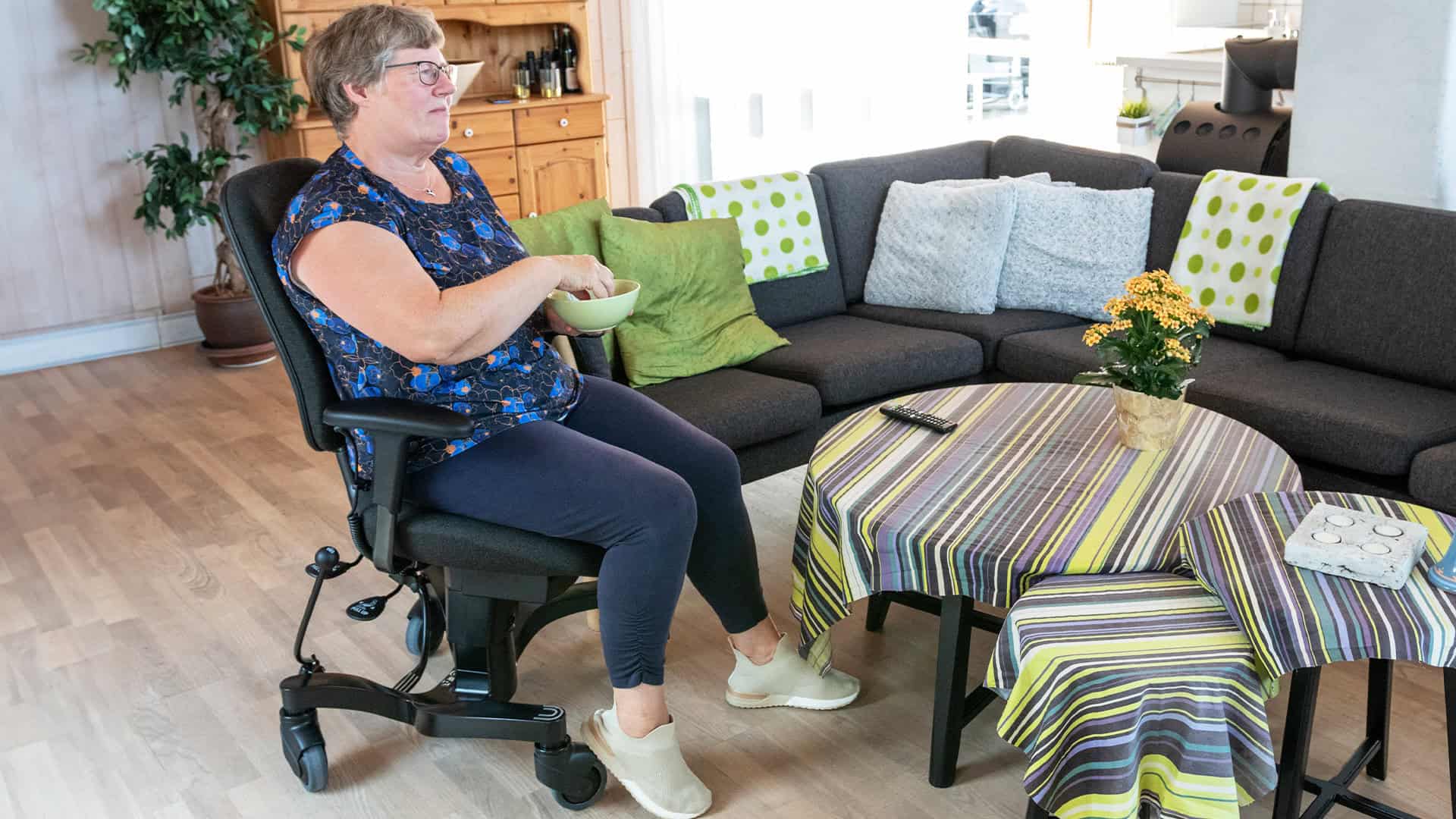
As the Archie Hendricks facility continues to deliver quality institutional care, many Tohono O’odham elders express a preference for remaining in the comfort of their own homes. For these individuals, solutions like VELA chairs offer a viable pathway to achieving this goal. VELA chairs, medically approved mobility aids, are specifically designed to support aging in place. These chairs ensure enhanced safety with features like a central brake, provide freedom of movement while seated through an electric height adjustment, and assist in performing daily activities such as cooking, dressing, or transferring. By reducing the load on informal caregivers, VELA chairs align with the cultural values of independence and home-centered living.
The Impact on Tohono O’odham Elders
For the Tohono O’odham elders, the Archie Hendricks facility represents more than a place of care—it is a symbol of progress and respect for their cultural heritage. Addressing the historical care gaps faced by Native American elders, this nursing home provides an alternative to leaving tribal lands for care, allowing elders to age with dignity in their own cultural context. Residents often share personal stories illustrating the importance of such culturally embedded care. For example, elders frequently emphasize how participation in traditional ceremonies held within the facility instills a renewed sense of purpose and community belonging. According to University of Arizona sources, the improved outcomes and satisfaction levels observed among residents signify a successful integration of cultural practices into modern elder care.
Supporting Aging in Place: A Practical Option
For seniors who wish to stay independent at home longer, solutions such as Mobility Solutions for Seniors can make a significant difference. VELA chairs address common challenges like safety, energy conservation, and ease of transfers. Features like a central brake enhance safety, while electric height adjustability allows for seamless movement around the home. With VELA, everyday activities such as cooking and cleaning become more manageable, fostering a sense of autonomy. For informal caregivers, these chairs alleviate the physical demands of caregiving, potentially delaying the need for a nursing home. Modern ergonomic design innovations now increasingly address the specific needs of culturally diverse seniors, reducing musculoskeletal strain and improving rehabilitation outcomes. Virtual and sensor-adaptive supports, as well as AI-enhanced monitoring, are contributing to safer, more responsive home environments for elders. While VELA represents one effective solution, the overarching value it brings is clear: promoting dignity, freedom, and confidence as seniors navigate their daily lives at home.