

Updated September 2025: We have updated the article with new developments in Armenian eldercare, including recent grant programs for dementia and social inclusion, the establishment of Armenia’s first neurointensive care unit, advances in healthcare and rehabilitation education, and evolving policy efforts to promote culturally tailored, multi-functional social care models. These updates highlight expanded resources, specialized training, and greater integration of assistive technology and rehabilitation in Armenian nursing home and community care settings.
Armenian Nursing Homes: Supporting Culture and Community
In recent years, the demand for eldercare that respects and integrates Armenian cultural heritage has become crucial, particularly for Armenian seniors seeking familiarity in their twilight years. An “Armenian nursing home” refers to facilities designed to incorporate Armenian cultural elements, whether through dedicated institutions in the U.S. or Armenia or through specialized eldercare options that cater to Armenian communities. According to the Armenian General Benevolent Union (AGBU), the Armenian community grapples with unique eldercare challenges, both in the diaspora and within Armenia itself. The scope of nursing home care is broad, with various facilities serving Armenian seniors, as highlighted by the CDC.
The Landscape of Armenian Nursing Homes: U.S. and Armenia
Armenian-focused nursing homes have established themselves in both the U.S. and Armenia. In the U.S., significant hubs include Boston, Massachusetts, with facilities such as the Armenian Nursing & Rehabilitation Center. Despite the closure of some facilities, including the New Jersey location, these centers have historically provided Armenian-American seniors with specialized language and cultural services. In Armenia, approximately 11 nursing homes serve around 1,400 senior residents, with Nork Nursing Home in Yerevan being the largest. According to the World Bank, these homes are critical in preserving cultural traditions while fulfilling eldercare needs.
Quality, Costs, and Unique Services
Armenian nursing homes exhibit varied quality and occupancy levels. For example, the Armenian Nursing & Rehabilitation Center in Boston boasts an occupancy rate of about 94%, significantly surpassing the national average. However, financial considerations are substantial; U.S. nursing home care can cost between $10,000 and $13,000 monthly, whereas Armenian state-run facilities may offer lower-cost options.
Cultural integration is at these homes’ core, offering services such as Armenian cuisine, language-specific activities, and religious ceremonies respecting Armenian customs. For instance, one family member noted the significant impact of these cultural connections on their grandmother’s comfort and happiness.
The Future of Eldercare in Armenian Communities
Armenian eldercare is evolving, blending traditional models with innovative approaches. The COVID-19 pandemic underscored the need for adaptable care systems, prompting many Armenian communities to explore alternatives like community-based and in-home care programs. This trend is partly due to regulatory pressures and funding models favoring the cost-effectiveness of home-based care. According to a report by ProPublica, leveraging technologies and supportive devices enhances comfort and independence, crucially impacting “aging in place,” reducing caregiver burdens, and ensuring seniors’ safety and mobility, which could delay or prevent the need for nursing home placement.
Recent years have brought additional advances to Armenian nursing home and eldercare settings. The 2025 launch of the Armenian Women’s Welfare Association (AWWA) Armenian Elder Care Grant Program has focused on strengthening healthcare, mental health, and social inclusion for Armenian elders, with a particular emphasis on dementia and Alzheimer’s disease caregiver support. Furthermore, Armenia’s establishment of its first neurointensive care unit represents major progress in critical and neurological care for elderly patients, now incorporating specialized training for local healthcare professionals. Advances in rehabilitation practices and assistive technologies have become key priorities in Armenian healthcare education, with international collaborations at events such as the Armenian Medical World Congress (AMWC) 2025 enhancing nursing and rehabilitation standards across nursing homes. These initiatives also reflect an evolving policy landscape, where a multi-functional social care model is under development to provide integrated rehabilitative, medical, and cultural support that aligns with the needs of Armenian seniors and their communities.
AWWA, 2025; Armenian Weekly, 2025; Armenian Weekly, 2025; AMWC, 2025; AASW, 2025; St Sergius, 2025.
Supporting Aging in Place: A Practical Option
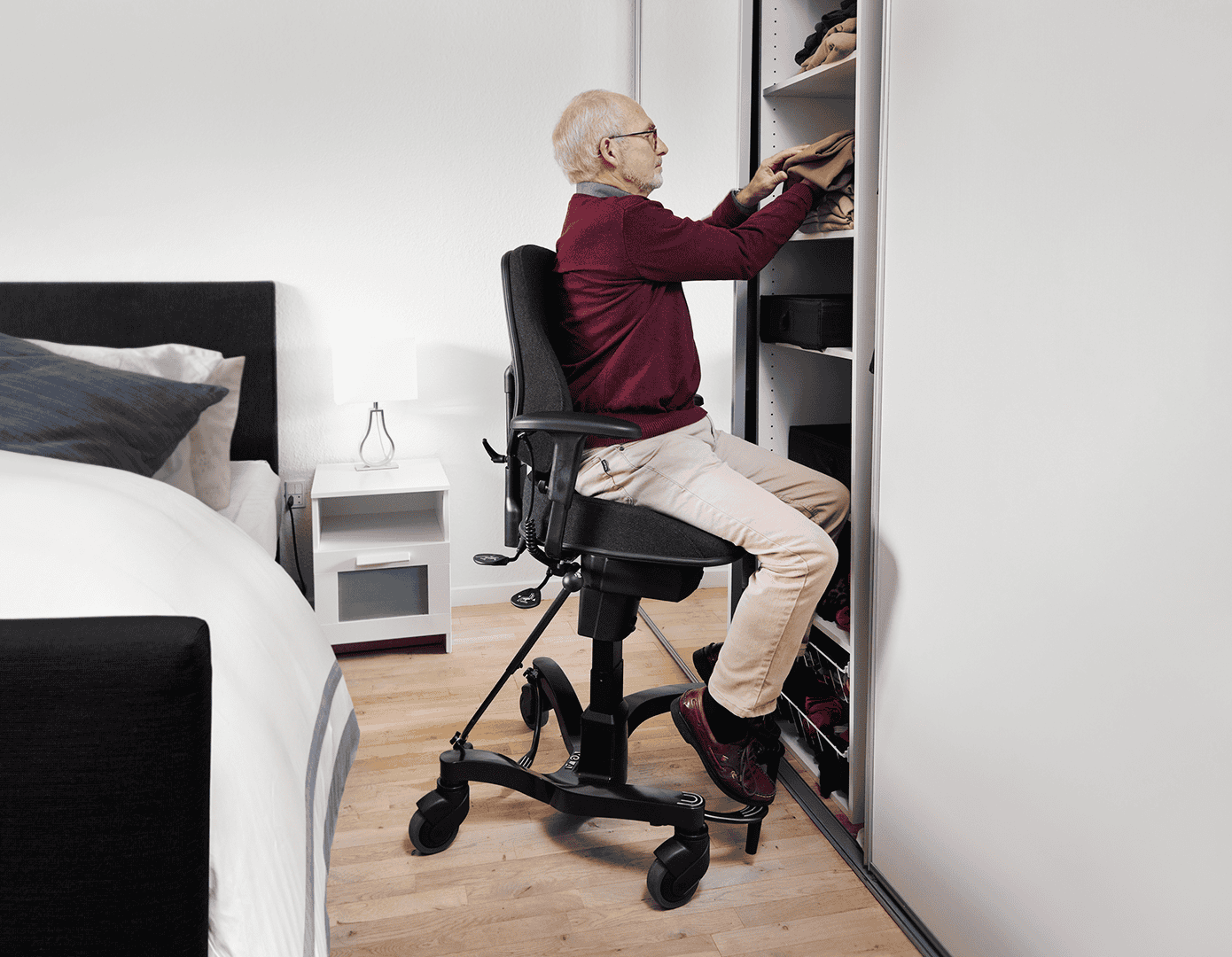
Staying independent at home can be significantly enhanced with tools like the VELA Chair. This mobility solution empowers seniors by focusing on crucial aspects like safety, energy conservation, and ease of movement. For instance, features such as the central brake system ensure stability and safety, while electric height adjustability offers convenience during daily tasks. This not only helps in reducing the physical strain on caregivers but also ensures a dignified, independent lifestyle for older adults. By mitigating common mobility challenges, the VELA Chair can extend the period a senior can spend at home comfortably, potentially delaying the need for nursing home placement. While it’s not the only available option, mobility chairs for elderly care like VELA play a pivotal role in supporting aging in place, enhancing daily life activities such as cooking and relaxing, thereby preserving the individual’s freedom and autonomy.