

Updated September 2025: We have updated the article to include recent advancements in AI-powered assistive devices, integration of smart monitoring and mobility technologies, expanded Medicaid-supported enabling technology programs, and the latest innovations in rehabilitation tools and digital engagement for seniors in nursing home care.
Exploring the Aspire Nursing Home Network
Aspire Nursing Home represents more than just healthcare facilities; it is a network of care solutions dedicated to enhancing senior living across multiple states. Their approach emphasizes people-first care, establishing Aspire Nursing Homes as a cornerstone in the healthcare landscape across states like Florida and Missouri. These facilities focus on providing quality, skilled nursing, and post-acute services within a supportive and enriching setting.
Understanding Aspire Nursing Home’s Network
Aspire Health Group, the driving force behind Aspire Nursing Homes, is celebrated for its commitment to people-first care. With facilities across Florida and Missouri, Aspire offers a range of services, including skilled nursing and post-acute care. Their mission prioritizes not just the medical needs of residents, but also their overall well-being and satisfaction, as documented on Aspire Health Group.
Practical and First-hand Insights
Residents at Aspire Nursing Homes experience a blend of comfort and professional care. Daily routines are crafted to be both engaging and therapeutic. For example, staff ensures that every resident receives individualized attention each morning, from assistance with meals to planning activities that promote mental and physical well-being. Increasingly, the Aspire network incorporates smart technology—such as AI-powered mobility aids, wearable health monitors, and digital engagement resources—to enhance safety, personalize care routines, and provide greater independence for residents.[1][4][5]
Measuring Quality at Aspire Nursing Homes
Quality of care is crucial for nursing homes, and Aspire Nursing Homes strive to maintain high standards. Medicare ratings offer insights into facilities’ performances, emphasizing staffing levels and nursing hours. According to ProPublica, the nurse hours per resident at their Platte City location are below the state average, indicating a potential area for improvement. Patient feedback and satisfaction trends further support Aspire’s commitment to quality care, highlighting testimonials and stories that showcase Aspire’s positive impact on residents’ lives. With the adoption of smart beds featuring multi-sensor technology and health data integration, Aspire now offers enhanced health monitoring and proactive alerts to minimize risks such as falls or bedsores, further supporting resident safety and care quality.[3]
Accurate Use of Industry Terms
“Skilled nursing care” at Aspire describes high-level medical services provided by trained professionals, including wound care, intravenous (IV) therapy, and regular patient assessments. These medical services are increasingly supported by intelligent assistive devices and digital health tools, such as smart wheelchairs with environmental sensors and wearable monitors that enable real-time healthcare adjustments and data-driven decision making.[1][4]
Navigating Financial Aspects of Care at Aspire Nursing Homes
Financial planning is essential when exploring nursing home options. Aspire Nursing Homes offer multiple payment methods and accept various insurance plans to suit residents’ needs. Understanding Medicare coverage is key, particularly with recent changes. According to Centers for Medicare & Medicaid Services (CMS), a 4.2% increase in Medicare payments to skilled nursing facilities in 2025 equals an additional $1.4 billion in payments. This increase supports Aspire’s capability to offer high-quality care without compromising resources. Medicaid and managed care programs are also expanding support for enabling technology benefits—including smart home devices, remote patient monitoring, and other tech-based solutions—that enhance quality of life and reduce caregiver burden.[2]
Balancing Financial Information
While Aspire provides varied payment options, it is important to recognize that healthcare cost management remains complex. Although an increase in Medicare payments aids resource allocation, families should plan comprehensively to anticipate out-of-pocket expenses. When considering enabling technologies such as smart assistive devices or remote health monitoring, coverage and reimbursement availability under programs like Medicaid may vary and should be thoughtfully reviewed in consultation with care coordinators.[2]
Adapting to Industry Trends: Aspire Nursing Homes in 2025
The healthcare sector is ever-evolving, with Aspire adapting to trends impacting care delivery. As of Q3 2024, nursing care occupancy rates have reached 84.5%, showing increased demand NIC. Aspire is addressing staffing challenges, common across the industry, by exploring innovative solutions to ensure consistent care. Regulatory updates, according to the Kaiser Family Foundation, continuously shape service provision, requiring Aspire to adapt to maintain quality and compliance. New care models now emphasize technology-enabled home care and community-based living, supported by guidelines for enabling technology adoption within Medicaid and other health systems.[2]
Addressing Current Industry Challenges
Aspire tackles staffing shortages by partnering with local nursing programs and implementing staffing technologies to improve scheduling, ensuring continuous quality care. The integration of AI-driven devices and remote health management platforms is further supporting staff by automating monitoring and safety alerts, ultimately reducing workload and enhancing resident engagement and well-being.[1][3][4][5]
Supporting Aging in Place: A Practical Option
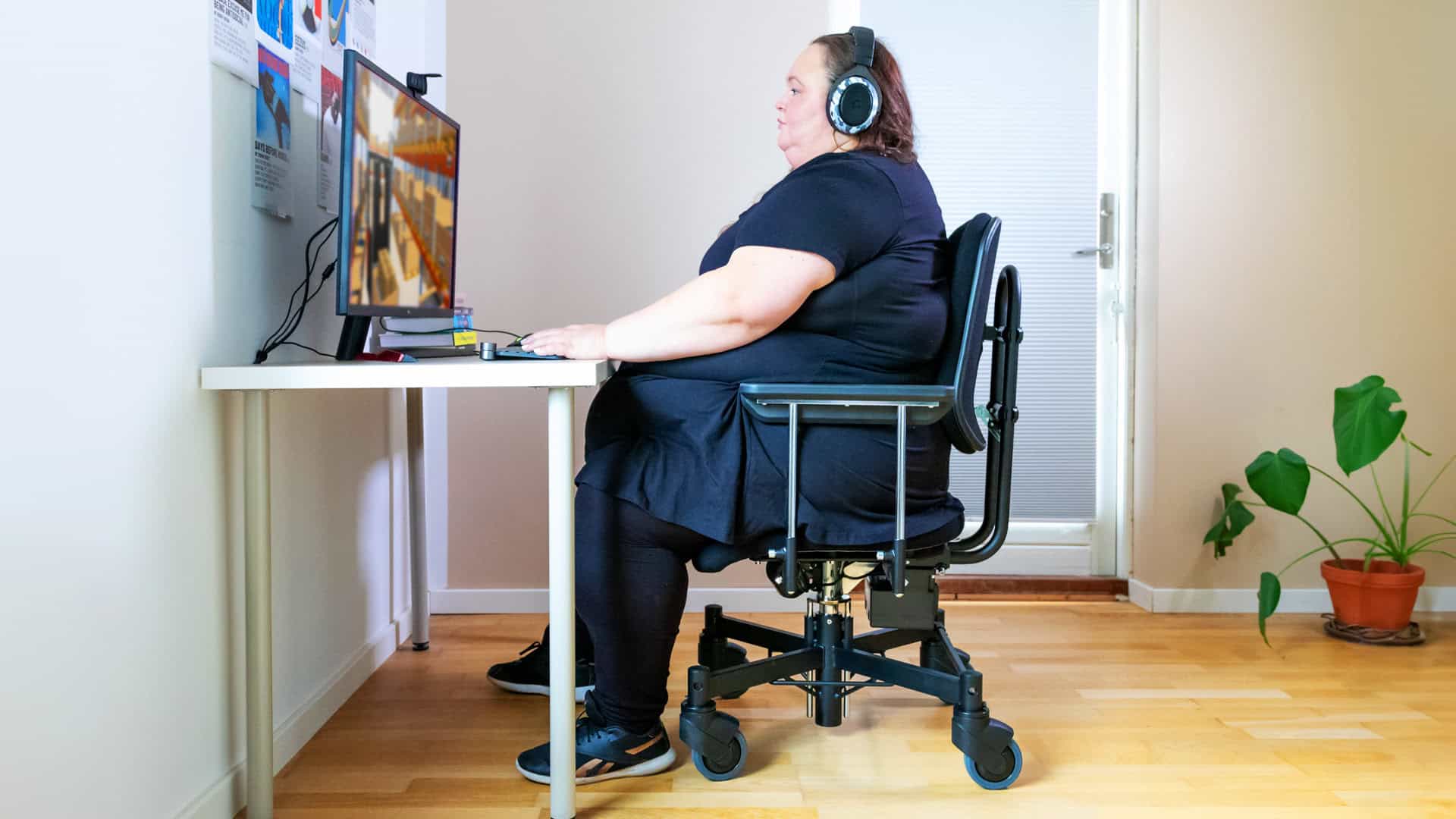
As families evaluate care options, mobility solutions like VELA Chairs offer significant assistance in sustaining home independence. Crafted to resolve seniors’ common challenges such as safety and mobility, these chairs feature a central brake for stability, electric height adjustment, and smooth movement while seated. These attributes help delay the transition to nursing homes by supporting tasks like cooking and dressing, preserving freedom and dignity. Although VELA Chairs are not the sole solution, they represent a proven, practical choice that enriches home life by lowering fall risk and conserving energy, supporting aging in place. Enhanced by modern assistive technology—such as AI-powered monitoring and virtual resources—these and other digital devices play an expanding role in fostering independence, social engagement, and cognitive support for seniors within both home and long-term care settings.[4][5][6][7] For more details on mobility aids designed for seniors, consider their role in fostering active, secure living environments.
[1] SynchronyFL, “The Future of Home Health Care: Trends to Watch in 2025”
[2] UnitedHealthcare Community & State, Enabling Technology benefit overview
[3] Western Governors University blog, “6 Technologies Transforming Patient Care”
[4] Everything Medical Online, “The Latest Trends in Mobility Aid Technology for 2025”
[5] Eldercare Alliance, Technology in Assisted Living Facilities
[6] Assistive Technology Industry Association, Assistive Technology Outcomes and Benefits, Volume 19, Spring 2025
[7] PMC article, “Digital assistive technologies for community-dwelling people with dementia”