

Updated September 2025: We have updated the article to reflect significant advancements in assistive technology and elder care, including the integration of artificial intelligence (AI), smart devices, remote health monitoring, and telehealth. New sections address AI-powered assistive devices, smart home safety solutions, predictive analytics, and the ongoing shift toward technology-enabled personalized care in nursing home and home-based settings.
Introduction to Audubon Nursing Homes
When seeking exceptional care for loved ones, Audubon Health and Rehab in Thibodaux, Louisiana, is a standout among nursing facilities in the state. Known for its comprehensive services and compassionate care, this facility—often searched under the term “Audubon Nursing Home”—strives to address the evolving needs of senior residents. According to Medicare.gov, Audubon Health and Rehab maintains an occupancy rate of approximately 63%, with a nurse turnover rate significantly below state averages. The facility’s dedication to high-quality standards is evident from its performance on various assessments.
Overview of Audubon Nursing Homes in Louisiana
Audubon Health and Rehab is part of a suite of Audubon-branded facilities across Louisiana, including locations in New Orleans and Metairie. These facilities are recognized for their commitment to quality service and operate under stringent licensing regulations enforced by the Louisiana Department of Health. This ensures every resident receives certified care. Known for their warm environment and attentive caregiving staff, these homes provide a range of services, from long-term care to short-term rehabilitation and specialized programs like infection control, which are crucial for residents with specific health needs.
Facility Ratings, Staffing, and Resident Experience
The commitment to quality care at Audubon Health and Rehab is reflected in its ratings. According to ProPublica Nursing Home Inspect, while some minor infection control challenges were noted in 2023, the facility has not faced major issues or financial penalties. This underscores a proficient standard of care. With 3.46 nurse hours per resident daily, above the industry average, the facility ensures that residents receive personalized attention (Elder Guide). Predominantly serving non-Hispanic white females, the facility’s resident demographics mirror national patterns, where a significant proportion of residents have Alzheimer’s or related dementias (Congress.gov).
Recent Advances: AI and Technology in Resident Care
As of 2025, Audubon Health and Rehab and peer institutions are enhancing traditional care by embracing advanced technologies. AI-powered assistive devices, such as smart wheelchairs, exoskeletons, and adaptive wearables, are now widely adopted. These devices can monitor residents’ health in real time, adapt to mobility patterns, and provide features like collision avoidance, remote customization, and voice control, significantly improving both safety and independence (Everything Medical Online; PubMed Central).
Smart home integrations—including automated lighting, voice-activated assistants, smart locks, and fall detection systems—are increasingly important for risk reduction and to facilitate independence. Predictive analytics and AI-based behavior tracking help care teams identify early signs of changes in health or mobility, so interventions can be provided promptly. These innovations reflect a broader shift toward proactive, technology-enabled personalized care within nursing homes (SynchronyFL; ButterflyMX; McKnight’s Long-Term Care News).
Telehealth and virtual care, once emergency measures, are now established as ongoing solutions. These systems enable residents to consult with medical professionals remotely for routine or specialized care, which improves continuity and access—particularly important for those with complex health needs or residing far from family (Harvard Long-Term Care Blog).
Costs, Special Programs, and Occupancy Trends
Cost is a crucial consideration when selecting a nursing home. At Audubon Health and Rehab, monthly fees typically range from $5,000 to $7,000, depending on room type and services required, aligning with state averages (Academic/Medical Journal). The facility is committed to providing value through special programs such as advanced rehabilitation services and individualized care plans. With the integration of AI-driven devices and smart monitoring, rehabilitation and care programs can now be more finely tuned to individual needs, supporting safety, comfort, and efficiency (UnitedHealthcare Community & State).
Residents and families frequently praise the transformative impact these programs have on their loved ones, reinforcing the facility’s nurturing atmosphere and growing reputation for leveraging the latest technology to address both health and quality of life goals.
Choosing the Right Nursing Home: Common Questions Answered
Selecting a nursing facility requires careful consideration. According to the Louisiana Department of Health, it’s important to compare quality ratings from platforms like Medicare.gov, which offer critical insights into a facility’s performance. Potential residents should consider not only costs and services, but also the adoption of advanced assistive technologies and telehealth functionality, which have become standard components in delivering high-quality care (ButterflyMX; Envision). This practice, encouraged by elder care experts, ensures a comprehensive understanding of available options and fosters confidence in final decisions.
VELA Integration Strategy
In closing, Audubon Health and Rehab and its sister facilities offer robust senior care options in Louisiana. From staffing insights to specialized programs, the analysis paints a comprehensive picture of these esteemed institutions. While nursing homes provide structured care, potential residents and their families should weigh these benefits against alternatives like personalized home care. Integrating adaptive solutions such as VELA chairs can enhance the quality of life, promoting a personalized care approach that emphasizes safety, technological integration, and independence.
Supporting Aging in Place: A Practical Option
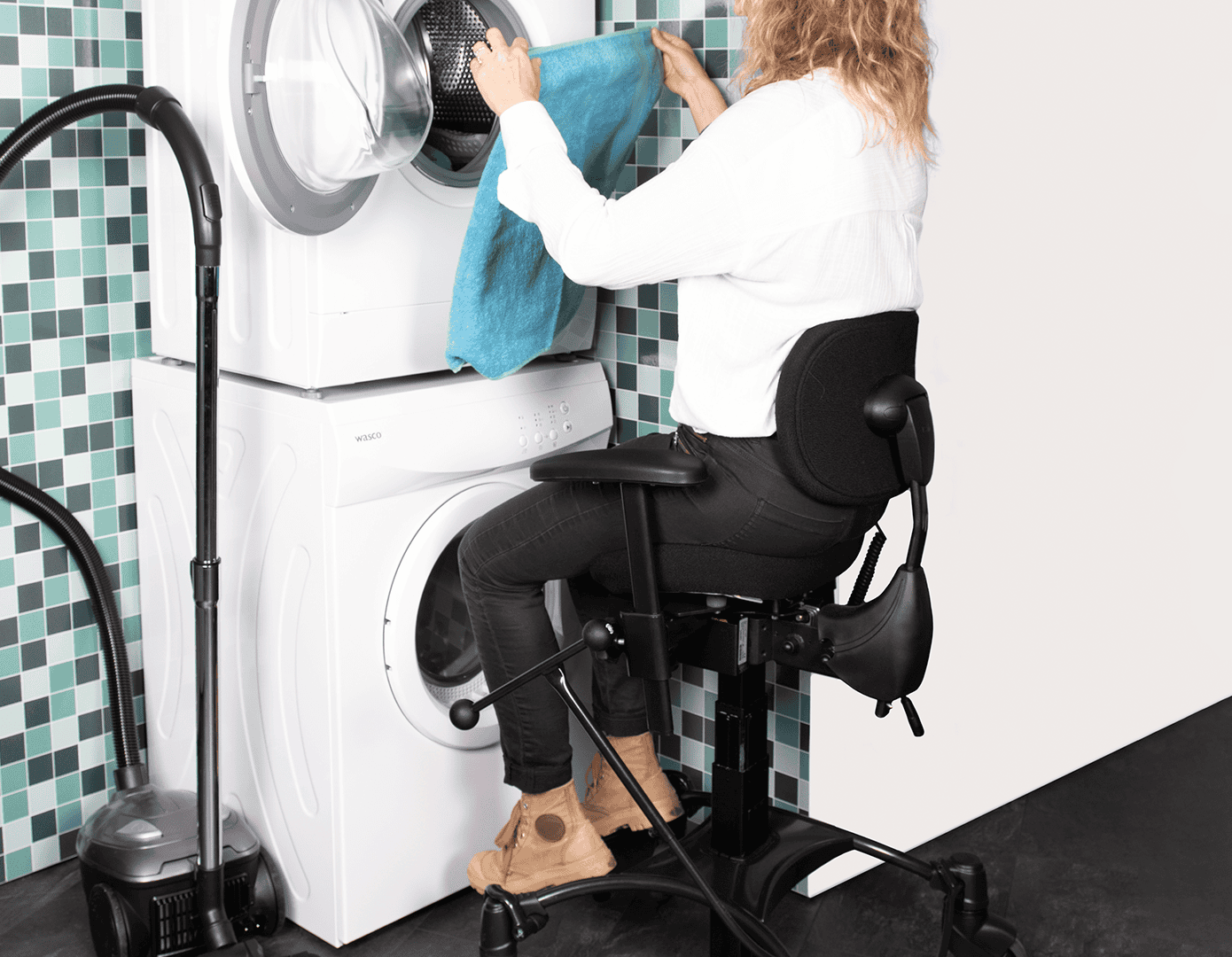
For many seniors, maintaining independence in their homes is a desirable goal, and tools like the VELA Chair can make a significant difference. This chair supports aging in place by providing features like a central brake system for safety, electric height adjustability for ease of access, and smooth movement while seated, which can prevent falls and conserve energy. With the incorporation of AI assistants and smart monitoring, such assistive devices now offer even greater personalization, voice command convenience, and predictive safety alerts to further minimize risk (Everything Medical Online; ButterflyMX). These features help manage daily tasks comfortably, such as cooking or cleaning, and enhance the quality of life by allowing seniors to perform activities they enjoy. While VELA is not the only solution available, its design proves to be practical and effective, offering a way for seniors to extend their time living at home independently while alleviating some burdens on caregivers. For more information, explore senior chairs for elderly independence and fall prevention strategies in nursing homes.
References:
- SynchronyFL, “The Future of Home Health Care: Trends to Watch in 2025”
- ButterflyMX, “Senior Living Technology Trends 2025”
- Harvard Long-Term Care Blog, “The Future of Senior Living: Trends to Watch in 2025”
- Everything Medical Online, “The Latest Trends in Mobility Aid Technology for 2025”
- UnitedHealthcare Community & State, “How Enabling Technology is Transforming Home-Based Care”
- Envision, “Future of Assistive Technology & AI Assistants”
- McKnight’s Long-Term Care News, “Experts Look Ahead: Technologies That Will Help Long-Term Care Providers in 2025 and Beyond”
- PubMed Central, Giansanti et al., “Integrating AI and Assistive Technologies in Healthcare”