

Updated September 2025: We have updated the article to reflect the latest advancements in AI-enhanced assistive technologies, including smart mobility aids, telemedicine, and digital rehabilitation. New sections highlight how these innovations are transforming care quality, independence, and safety for seniors, as well as ongoing industry trends supporting technology-enabled aging in place.
Understanding Autumn Care Nursing Homes
In the evolving sphere of senior care, the name Autumn Care Nursing Homes stands out as a symbol of comprehensive and compassionate care for the elderly, particularly in Virginia and North Carolina. Managed by the experienced Saber Healthcare Group, this network provides an extensive range of services carefully tailored to meet the diverse needs of its residents. Whether it’s short-term rehabilitation, skilled nursing, hospice, or memory care, Autumn Care commits to offering each individual care marked by dignity and respect. According to Medicare.gov, these facilities boast credible ratings that reflect their steadfast dedication to quality healthcare.
An Overview of Autumn Care Nursing Facilities
Autumn Care has woven itself into the fabric of communities across Virginia and North Carolina, with facilities ranging from the bustling center of Chesapeake to the peaceful outskirts of Suffolk. Each location operates under the watchful guidance of the Saber Healthcare Group, known for its expertise in healthcare management. This ensures that every resident is surrounded by a secure, professional, and homely environment, a foundational element for their well-being and recovery process.
Services provided at Autumn Care encompass routine skilled nursing and rehabilitation, alongside specialized programs such as hospice and respite care. As outlined by the ProPublica Nursing Homes Database, these facilities uphold rigorous standards, adhering to both state and federal guidelines. The facilities’ Medicare-star ratings testify to their relentless commitment to excellence.
Services and Care Quality at Autumn Care
The quality of care at Autumn Care is distinguished by a broad spectrum of services. For instance, Autumn Care of Suffolk stands as an exemplar with its tailored programs designed for memory care, skilled nursing, and physical therapy. Real-world scenarios often involve elderly residents engaging in rehabilitation sessions catered explicitly to their level of comfort and recovery goals, ensuring an individualized approach to healthcare.
Recent developments in senior care now include the integration of artificial intelligence (AI) and smart assistive technologies that enhance adaptability, personalization, and autonomy for residents. Smart wheelchairs with GPS navigation, collision avoidance, health monitoring, and voice control can improve safety and independence for individuals with limited mobility or disabilities. Likewise, sensor-based monitoring, smart home assistants, and app-controlled devices allow caregivers and staff to better support daily living needs, while giving residents greater control and comfort in their environment. Telemedicine services are increasingly incorporated, providing convenient and timely access to healthcare professionals without the need for travel, thereby supporting both acute and routine care within the facility or from residents’ homes. Rehabilitation practices have expanded to offer interactive digital therapies and mixed-reality tools, fostering engagement and supporting personalized recovery plans (Heisinger Bluffs, 2025; Everything Medical Online, 2025; ATIA Journal, 2025).
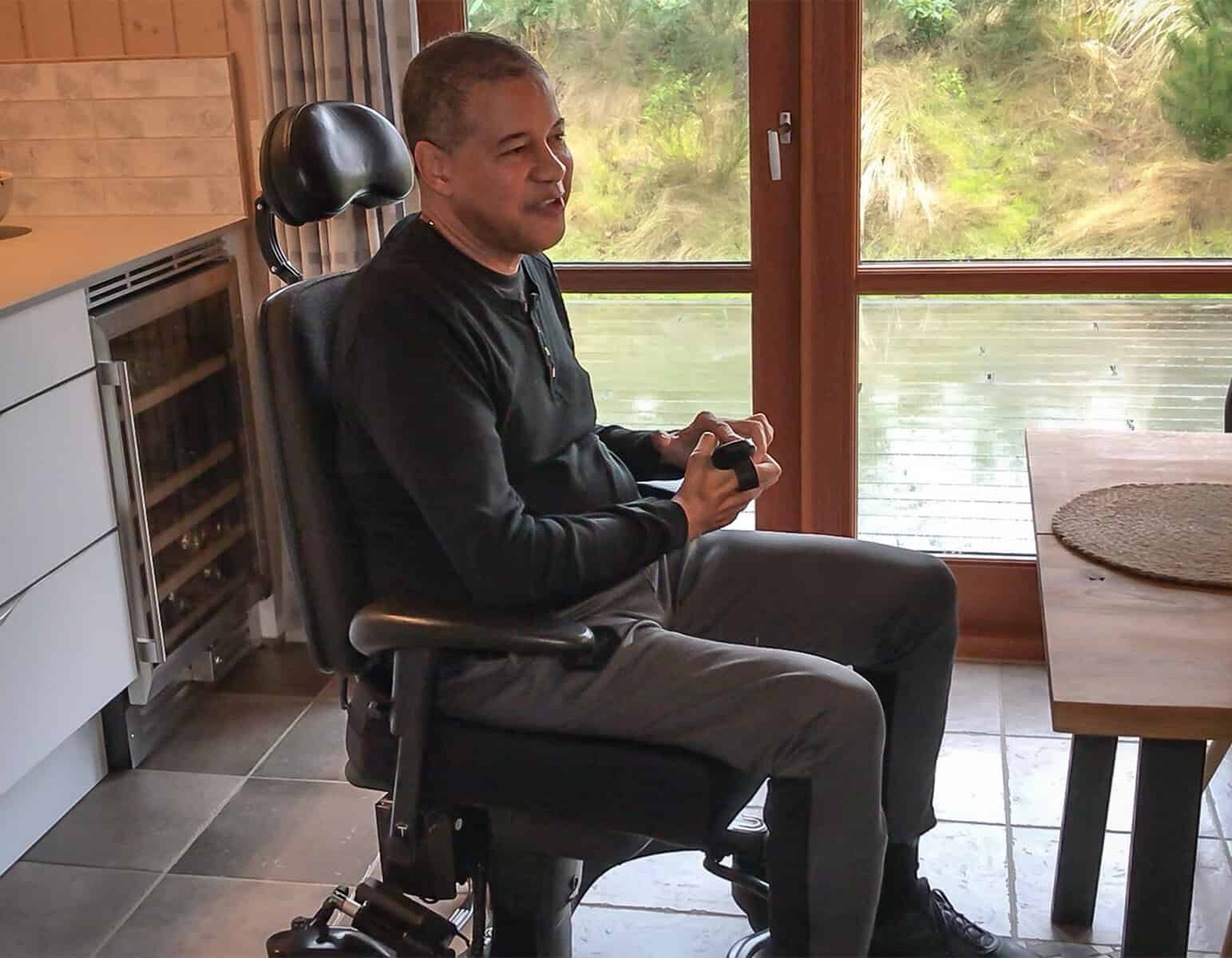
Nevertheless, like many facilities across the country, they confront challenges such as nurse turnover and staffing shortages, as highlighted by the National Investment Center for Seniors Housing & Care (NIC). To address these challenges and further enhance resident comfort and safety, solutions like VELA chairs present a viable option for older adults wishing to maintain independence within their own homes. The VELA Independence Chair is a medically approved mobility chair that provides enhanced safety and freedom of movement while seated. It supports daily activities, such as cooking, dressing, or transferring, and reduces the caregiving load on informal caregivers. By potentially delaying the transition into more intensive nursing care, these chairs offer a significant contribution to maintaining independence.
There is also growing industry attention to inclusive product design and universal access, promoting greater social participation and self-sufficiency for seniors. Policy shifts are underway to support aging in place with technology and to address digital literacy and privacy among residents. Integrating AI-enabled devices and data-driven care management also helps to optimize care outcomes and streamline operations (UnitedHealthcare Community & State, 2025; McKnight’s Long-Term Care News, 2025; PMC, 2024).
Feedback channels like A Place for Mom offer crucial insights into the residents’ day-to-day experiences and the overall environment. Here, families frequently highlight the caring nature of the staff while also noting areas needing improvement. This ongoing transparency reinforces trust between the families and the administration.
Understanding Costs and User Ratings
Navigating the financial aspects of nursing care can seem daunting. At Autumn Care, the average monthly cost typically aligns with national and regional averages, ranging from $7,000 to $9,000 according to ACPlus Industry Outlook. Autumn Care provides payment flexibility, accepting Medicare, Medicaid, and private pay, making the financial side more manageable for families.
User satisfaction ratings often reflect personal experiences and expectations. For example, Autumn Care of Norfolk receives mixed reviews, though there is consistent appreciation for its attentive staff. These ratings play a vital role in shaping perceptions and guiding decisions for prospective residents and their families.
Navigating Industry Trends and Challenges
The senior care landscape is in constant flux, influenced by trends like evolving Medicare reimbursements and shifting occupancy rates. According to NIC, these trends are accompanied by significant challenges, notably staffing shortages that can affect care quality.
The rapid adoption of AI-powered assistive technologies and telemedicine is emerging as a crucial solution to many long-term care challenges. The integration of smart mobility aids, digital health monitoring, and remote healthcare access can help overcome workforce pressures and expand the reach of personalized care. At the same time, providers are focusing on inclusive design and universal technology access, ensuring that new digital tools are usable by all residents. Industry leaders note that leveraging data-driven care management not only enhances efficiency but also contributes to improved safety and independence for seniors (Heisinger Bluffs, 2025; McKnight’s Long-Term Care News, 2025).
However, opportunities in the nursing home sector exist in the form of innovative solutions and technologies that can mitigate these issues. By focusing on enhancing resident care and experiences, Autumn Care positions itself well to adapt and thrive amidst these industry changes.
How Mobility Solutions Like VELA Make a Difference
The VELA Independence Chair exemplifies how specialized mobility solutions can enable seniors to remain independent longer in their own homes while potentially delaying the need for nursing home care. The chair’s features, such as a central brake for safety and electric height adjustability, provide significant benefits by improving safety, conserving energy, and facilitating easier transfers and movement while seated. This chair can transform everyday tasks into manageable activities, enhancing the ability to cook, clean, and relax without overexertion. By reducing the risk of falls and the ensuing strain on caregivers, the VELA Chair upholds values of dignity and freedom. It demonstrates a practical option among various solutions, ensuring that seniors live safely and comfortably in their chosen environments.
For specialized mobility solutions and fall prevention strategies in nursing homes, Autumn Care and similar facilities prioritize enhancing care quality to meet evolving expectations and maintain resident safety.
Exploring the array of caregiver techniques and tools, including VELA Chairs, offers a way to deliver compassionate and effective approaches to elderly care in a manner that enriches the lives of older adults.
Sources
- Heisinger Bluffs: The Future of Senior Living: Trends to Watch in 2025
- Everything Medical Online: The Latest Trends in Mobility Aid Technology for 2025
- UnitedHealthcare Community & State: How enabling technology is transforming home-based care
- McKnight’s Long-Term Care News: Experts look ahead: Technologies that will help long-term care providers in 2025 and beyond
- PMC: Integrating AI and Assistive Technologies in Healthcare (Dec 2024)
- Assistive Technology Industry Association (ATIA) Journal, Spring 2025, Vol. 19: Assistive Technology Outcomes and Benefits