

Updated September 2025: We have updated the article to reflect recent regulatory changes from CMS, including revised survey and rating methods, strengthened staffing and medication guidance, and the latest trends in assistive technology and rehabilitation. New transparency requirements and resident-centered care practices are also included.
A Tale of Two Ayers: Nursing Homes in Oklahoma and Florida
When considering nursing home options for loved ones, it is vital to compare facilities to find the one that best matches specific needs and expectations. Ayers Nursing Home in Snyder, Oklahoma, and Ayers Health and Rehabilitation Center in Trenton, Florida, while sharing a name, present starkly different services and reputations. Located in Snyder, Ayers Nursing Home is a family-owned establishment that has been providing a home-like environment for its residents since 1961, offering a sense of legacy and community (Senior Housing Net). In contrast, the Florida-based Ayers Health and Rehabilitation Center operates under Health Services Management, Inc., delivering modern facilities with comprehensive healthcare services (Ayers Health and Rehabilitation Center, ProPublica).
Understanding Quality: How Ayers Nursing Homes Measure Up
Choosing a nursing home involves understanding how facilities rate on quality care metrics. According to Medicare’s Care Compare, Ayers Health and Rehabilitation Center in Florida garners a five-star rating, reflecting a high standard of service and care. This facility is well-regarded for its therapy programs and care standards, contributing significantly to its excellent reputation in the industry.
Conversely, Ayers Nursing Home in Oklahoma holds a one-star rating, indicating difficulties in meeting federal standards for healthcare and resident satisfaction. This rating can significantly impact family decisions and often prompts potential residents to explore alternative options (Senior Service Directory). Understanding the CMS Five-Star Quality Rating System is crucial, as it encompasses health inspections, staffing, and quality measures to aid families in making well-informed decisions. As of July 2025, CMS has updated its rating system: now only the two most recent standard surveys are used instead of three, and adjusted weightings may impact some facilities’ scores. Also, chain-level average performance data for groups of facilities is published to support increased transparency for consumers. COVID-19 vaccine details have been removed from individual nursing home profiles (HealthIndustryWashingtonWatch.com, 2025-07; AHCA/NCAL, 2025-06).
Practical Experiences From Residents
In Florida, residents at Ayers Health and Rehabilitation Center benefit from modern amenities and access to specialized healthcare services. In real-life scenarios, such amenities may include therapy rooms equipped with state-of-the-art rehabilitation equipment designed to aid recovery and improve mobility. In contrast, Ayers Nursing Home in Oklahoma, situated in a more rural environment surrounded by farmland, offers a quieter, community-focused setting that might appeal to residents who cherish a familial atmosphere and slower pace (Senior Housing Net).
Beyond Basic Care: Specialized Services at Ayers Nursing Homes
While nursing homes are primarily evaluated based on basic care standards, specialized services and programs can significantly augment residents’ quality of life. Ayers Health and Rehabilitation Center in Florida shines for its specialized memory care and rehabilitation services, recognized for excellence in the industry. These programs often provide structured schedules for residents with dementia or Alzheimer’s, enhancing their ability to live more fulfilling lives (Ayers Health and Rehabilitation Center Programs).
In stark contrast, Ayers Nursing Home in Oklahoma focuses on essential care services such as medication management and daily program activities, lacking the breadth of specialized programs seen in its Florida counterpart. For families, programs addressing conditions like dementia or Alzheimer’s can be decisive when choosing a facility. Recent updates in best practices emphasize the importance of resident-centered care models that reduce unnecessary use of psychotropic medications and encourage more appropriate transfers or discharge planning in line with revised regulatory guidance (Consumer Voice PDF summary, 2025-01; Post-Acute and Long-Term Care Medicine News, 2024-11).
Who Cares for Your Loved Ones? Staffing Insights at Ayers
The quality of care in nursing homes often correlates directly with staffing levels and turnover rates. At Ayers Health and Rehabilitation Center in Florida, there are approximately 3.81 nurse hours per resident per day, which closely aligns with the state average, according to ProPublica Staffing Metrics. However, the facility faces challenges with a 49% nurse turnover rate, indicative of the broader industry challenge in retaining staff.
Similarly, Ayers Nursing Home in Oklahoma struggles with staffing consistency, illustrating the importance of stability and quality in staffing to deliver compassionate care. High turnover rates can affect resident satisfaction and continuity of care, emphasizing the importance of considering staffing metrics when selecting a nursing home. Recent CMS guidance now mandates the presence of 24-hour licensed nursing staff with a designated charge nurse per shift, and surveyors are equipped with strengthened protocols to address insufficient staffing or improper medication use. Identification of falls, pressure ulcers, dehydration, and altercations are highlighted as indicators of staffing inadequacy (Consumer Voice PDF summary, 2025-01).
Final Thoughts on Navigating Nursing Home Choices and Alternatives
Finding the right nursing home can be daunting, but understanding the key differences and similarities between facilities like Ayers Nursing Home in Oklahoma and Ayers Health and Rehabilitation Center in Florida is crucial. Whether prioritizing specialized programs, staffing stability, or Medicare ratings, families must evaluate facilities based on unique needs and preferences.
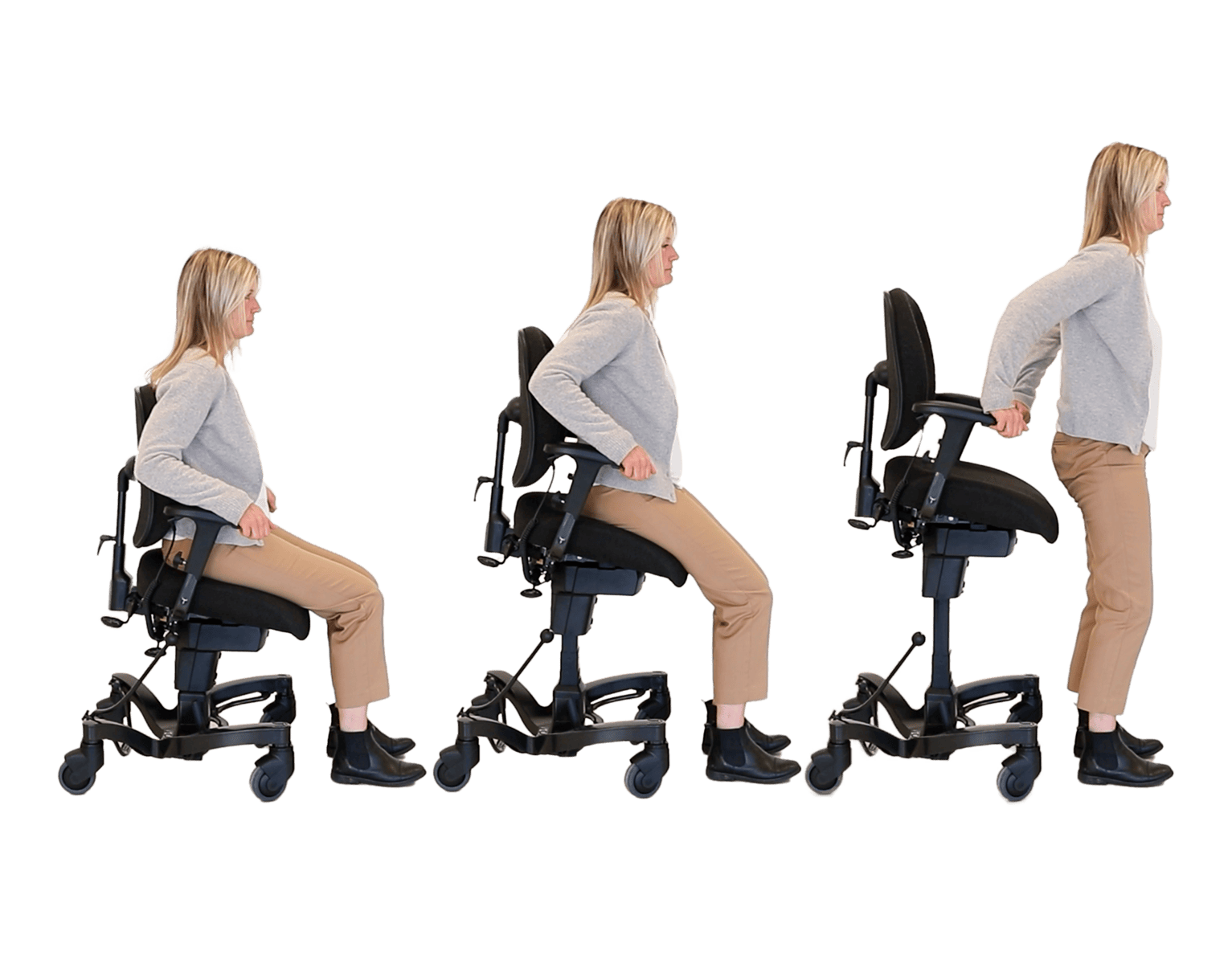
In the face of these challenges, the drive to find solutions that maintain independence and dignity for older adults becomes even more significant. For those who prefer to stay in their own homes, the introduction of innovations like VELA chairs presents a practical alternative. VELA is a medically approved mobility chair designed for home use that enhances safety, freedom of movement while seated, and supports daily activities such as cooking, dressing, or transferring. By reducing the load on informal caregivers and significantly enhancing the quality of life at home, VELA chairs exemplify how thoughtful design can empower independence. Growing trends in assistive technology, such as AI-supported mobility aids and sensor-based monitoring, are increasingly incorporated into care settings to support mobility, cognitive function, and social interaction, with a focus on ergonomic and inclusive design that promotes autonomy and safety.
Supporting Aging in Place: A Practical Option
Maintaining independence at home is a priority for many seniors, and mobility solutions such as VELA chairs provide tangible benefits to this end. These chairs offer features like a central brake for enhanced safety, electric height adjustability to aid transfers, and the ease of movement while seated. Such design elements ensure elderly users can perform daily tasks with greater ease and security, which might otherwise become burdensome. Enabling seniors to engage in cooking, cleaning, and relaxing independently can notably delay the need for nursing home care. While VELA is not the only mobility aid available, it stands out for promoting dignity, freedom, safety, and energy efficiency, making it a compelling option for supporting aging in place. Solutions like these are crucial in reducing caregiver burden and fostering a sense of autonomy among the elderly, ultimately extending the period they can enjoy in their own homes. By pairing innovative solutions like chairs that empower seniors to live independently with personalized care assessment, families can find the ideal balance of safety, comfort, and independence for their loved ones.