

Updated September 2025: We have updated the article to reflect the latest Centers for Medicare & Medicaid Services (CMS) methodology for nursing home quality ratings, revised regulatory guidance on nursing staff and medical director responsibilities, and current trends in assistive and rehabilitation technology. COVID-19 vaccination data has been removed from main CMS nursing home profiles, and Barfield Health Care’s approach has been aligned with recent industry-wide developments and oversight requirements.
Barfield Nursing Home: A Trusted Elder Care Option in Guntersville, Alabama
When searching for a reliable nursing home in Guntersville, Alabama, Barfield Health Care often ranks as a top choice, thanks to its strong reputation and consistent performance metrics. Nestled within this inviting Southern community, Barfield Health Care is renowned for hosting an average of 110 residents daily out of its 113 certified beds, yielding an impressive occupancy rate of approximately 97%. According to ProPublica Nursing Home Inspect, such a high occupancy indicates the trust families place in this facility to provide excellent care—a crucial consideration for those evaluating nursing home options.
Overview of Barfield Health Care Nursing Home in Guntersville, AL
Barfield Health Care has a storied legacy in Guntersville, dedicatedly serving its residents. Although it is not classified as a Continuing Care Retirement Community, it significantly contributes to the local healthcare landscape. The facility has evolved with changes in ownership while consistently upholding its mission of compassionate elder care, noted by Nursing Home Insights. This adaptability underscores its commitment to aligning with contemporary healthcare standards, reinforced by Neal Alabama News and recent regulatory updates from CMS that focus on ensuring adequate nursing services and policy enforcement at all staffed levels Consumer Voice.
Walking through the facility, one might encounter residents engaging in scheduled social activities, participating in physical therapy sessions in well-equipped therapy rooms, or enjoying a moment in the beautifully landscaped garden—a testament to Barfield Health Care’s dedication to creating a homely environment for seniors.
Quality Ratings, Costs, and Occupancy of Local Nursing Homes
To understand the quality of care at Barfield Health Care, it’s vital to analyze its ratings on the CMS Five-Star Quality Rating System. As of July 2025, CMS has updated its methodology: health inspection star ratings now consider only the two most recent standard surveys, instead of three, to better reflect current performance. In addition, CMS now aggregates and publishes average Five Star ratings for nursing home chains, enhancing rating transparency for facilities like Rehab Select at Barfield Health Care Health Industry Washington WatchAHCA Blog. COVID-19 vaccination data has recently been removed from the main CMS profiles to reflect evolving risk contexts. Barfield Health Care’s ratings continue to align competitively with state averages, as recorded by the CMS Five-Star Quality Rating System, offering prospective residents a valuable benchmark.
Regarding costs, potential residents in Alabama might anticipate monthly expenses between $6,000 and $17,100, contingent upon the required level of care (Alabama SNF Facility Statistics). Barfield Health Care is often praised in resident feedback for its attentive and nurturing care environment that aligns with these financial expectations.
Choosing the Right Nursing Home: What Data and Community Feedback Reveal
Choosing the right nursing home involves a comprehensive analysis of multiple factors, including quality ratings, costs, staffing levels, and insights from current residents. The most recent CMS regulatory guidance, effective April 2025, further clarifies expected staff sufficiency markers, such as the reduction of falls and dehydration, and emphasizes stricter oversight regarding psychotropic medication use. Medical directors are now expected to take more active roles in policy enforcement and quality assurance to promote optimal care Consumer VoicePaltMed News.
For instance, according to Medicare Care Compare, families can easily compare various facilities based on detailed data metrics. Furthermore, with recent changes to CMS reporting, consumers are now better equipped to make informed choices based on the most up-to-date performance information for facilities like Barfield Health Care.
Moreover, first-hand community feedback is invaluable for gaining deeper insights into the lifestyle and care environment at facilities like Barfield Health Care. Families are encouraged to visit, converse with current residents, and observe daily operations to ensure a well-informed decision tailored to their specific needs.
Adaptive Solutions for Enhancing Senior Independence
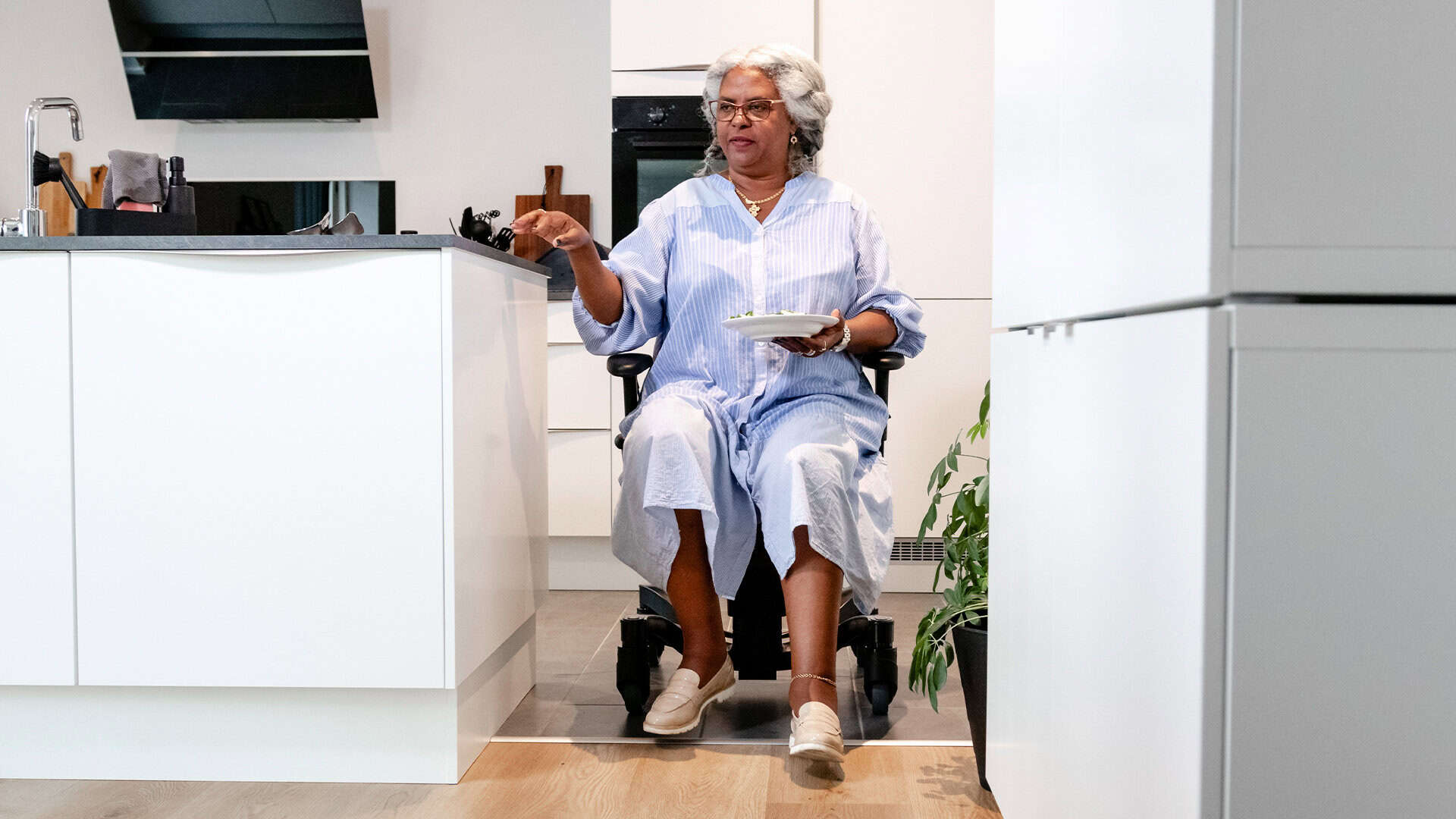
The transition to nursing home life comes with various challenges, such as ensuring resident safety and independence while concurrently alleviating caregiver responsibilities. Recent trends across the industry indicate an increasing adoption of advanced assistive technologies and ergonomic design enhancements in elder care. For seniors aiming to maintain independence, integrating adaptive solutions can significantly aid in daily living. A prime example is the VELA chair, a medically approved mobility chair designed for use at home. This device enhances safety and freedom of movement by allowing users to engage in daily activities like cooking, dressing, or transferring with greater ease. By reducing the physical demands on informal caregivers, VELA chairs provide an innovative means to support longer independent living, particularly for those who prioritize remaining in familiar environments. Facilities such as Barfield Health Care are also adopting or evaluating similar technologies—including sensor-based fall detection and inclusive rehabilitation equipment—to promote better recovery outcomes and safety for mobility-impaired residents Rehab Select.
Reducing Caregiver Burden Through Smart Seating
As the population ages, innovative solutions like the VELA Mobility Chair play a critical role in facilitating seniors’ independence within their own homes, potentially postponing the need for long-term nursing facility admissions. These chairs are designed with features such as a central brake system for enhanced safety, electric height adjustability, and ease of maneuverability while seated, addressing common challenges faced by both seniors and caregivers.
Imagining the difference with a VELA Chair, users might experience increased dignity and energy efficiency, allowing them a seamless transition from kitchen to living room with minimal strain. These benefits extend beyond mere convenience; they promote a safer, more liberating home environment, ensuring that daily chores and relaxation are performed with greater ease and joy.
While VELA Chairs are not the sole solution, their proven practicality makes them a valuable asset to those seeking to maximize autonomy and reduce the caregiver burden. This commitment to supporting seniors’ preference for aging in place aligns perfectly with the ethos of preserving quality in elder care.