

Updated September 2025: We have updated the article to include the latest advancements in AI-powered assistive technologies, smart mobility aids, remote health monitoring systems, and recent regulatory changes emphasizing technology-enabled, person-centered care models in senior living.
Beach Gardens Nursing Home: Comprehensive Guide to Senior Care Options
Choosing the right senior care facility is a significant decision, especially for families in Palm Beach Gardens, Florida, who value scenic surroundings and quality care. Understanding what each nursing home offers is critical to making an informed choice. Among the available options, Beach Gardens Nursing Home, known as Gardens Court, distinguishes itself through dedicated care and comprehensive amenities. This facility boasts 120 certified beds and provides an average of 3.77 nurse hours per resident per day, with a nurse turnover rate of 30.4%, which compares favorably to the state average of 44.8%, according to ProPublica Nursing Home Records.
Understanding the landscape of senior care in Palm Beach Gardens
Palm Beach Gardens has a population of approximately 59,751 people, a median age of 50.1 years, and a focus on catering to its aging residents with specialized senior care options. The area offers a diverse array of nursing facilities, including Garden Court, HarborChase, and Chatsworth. These institutions provide a spectrum of care, from assisted living and memory care to skilled nursing, as documented by Data USA. This varied landscape reflects and supports the distinct needs of the community’s elderly population.
Comparing leading nursing homes: Gardens Court and beyond
Gardens Court specializes in skilled nursing and rehabilitation, offering a patient-centered care approach. As a for-profit corporation under the Life Care Centers of America umbrella, Gardens Court is committed to delivering quality service. Its offerings include 24-hour supervision, medication management, and specialized rehabilitation programs like the unique Back-to-Golf rehab. These features underscore Gardens Court’s emphasis on not just healthcare but also on helping residents regain independence and lifestyle pre-injury or illness Assisted Living Research Institute.
Recent developments in assistive technology are transforming care standards within nursing homes like Gardens Court. AI-powered smart mobility aids, including wheelchairs with GPS, collision avoidance, and health monitoring capabilities, are now increasingly integrated into daily routines, enhancing resident safety and independence Everything Medical Online. Smart beds and real-time health monitoring systems automatically track vitals and movement, supporting early detection of health issues and reducing the risks of complications such as falls or pressure sores WGU Blog. Integration of predictive analytics and telemedicine further enables caregivers to deliver more personalized, proactive care Elderwood. These innovations are complemented by regulatory updates and policy changes that promote resident-centered, technology-enabled care models UnitedHealthcare Community & State.
Conversely, HarborChase caters to those seeking a luxury retirement experience, featuring resort-style services with starting prices at $5,000 a month, embracing amenities such as personal chauffeuring and concierge services HarborChase. Meanwhile, Chatsworth at PGA National focuses heavily on providing memory care and respite services, thus appealing to families requiring specialized cognitive support. Across leading facilities, the adoption of smart devices, remote monitoring, and robotic companions is advancing quality of life and providing additional support for staff and residents alike Synchrony Home Health Care.
Navigating the costs: financial planning for nursing home care
Financial considerations are pivotal when planning for nursing home care, as costs can vary widely. According to Seniorly.com, Gardens Court’s skilled nursing services are often covered by Medicare or Medicaid, necessitating a clear understanding of eligibility and coverage. Beneficiaries frequently explore assistance programs and private planning alternatives to offset these expenses. Recent regulatory updates have expanded Medicaid managed care benefits to support the adoption of enabling technologies and assistive products in nursing facilities, helping families access advanced mobility aids and health monitoring tools UnitedHealthcare Community & State. Assistance in understanding the complexities of financial planning can significantly aid in managing costs effectively while ensuring loved ones receive high-quality, technology-enhanced care.
Empowering independence: the role of VELA chairs in senior care
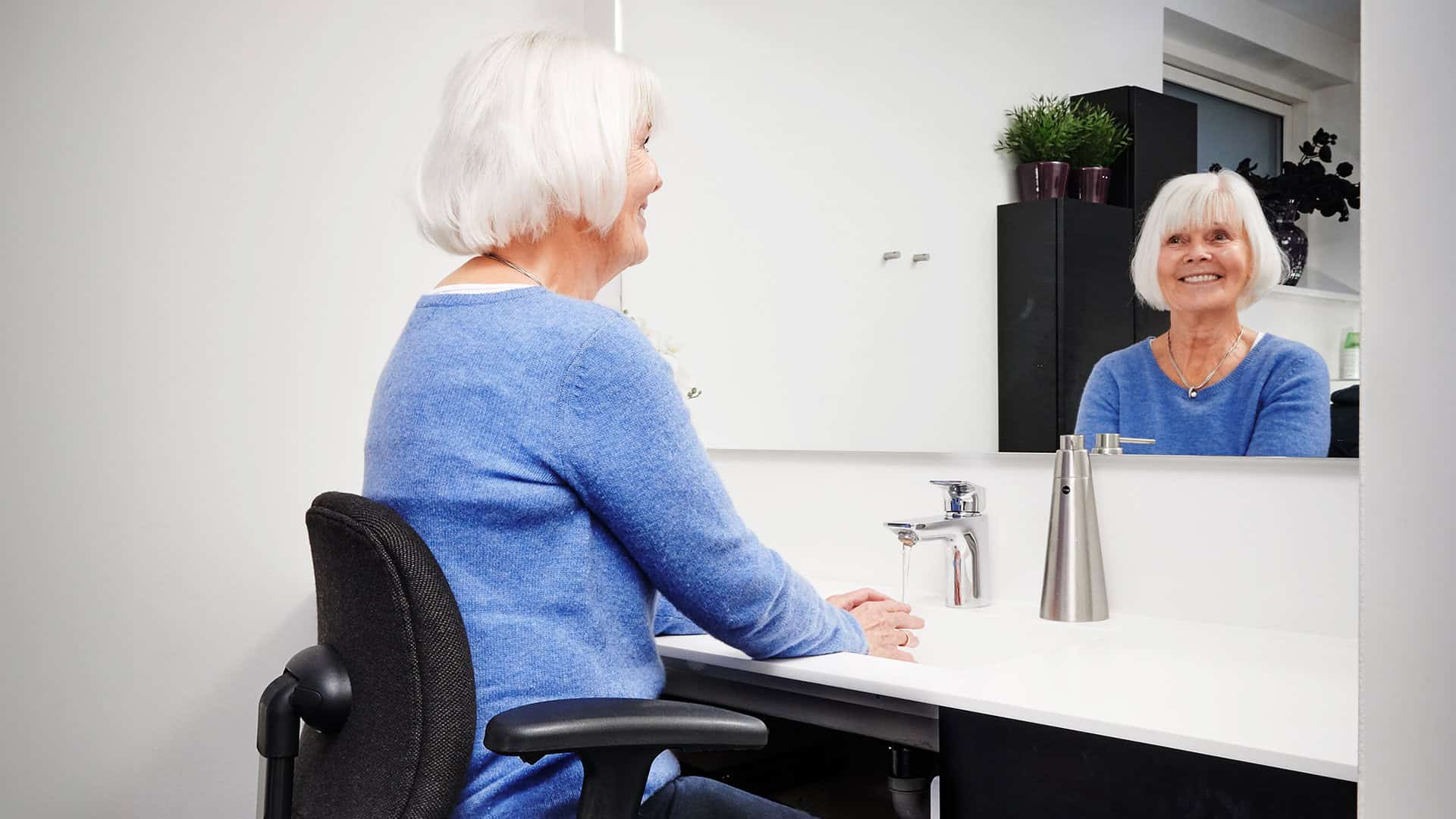
While traditional nursing home settings provide essential support, many adults prefer to remain in their own homes, valuing comfort and familiarity. For those striving to maintain independence, VELA chairs offer a viable solution. These medically approved mobility chairs are engineered for home use, enhancing safety through features like a central brake system and providing freedom of movement while seated. They support daily activities such as cooking, dressing, and transferring, reducing the workload on informal caregivers and helping prolong aging in place.
Today’s assistive chairs and mobility aids—including AI-powered models with voice control, adaptive support, and health-tracking features—promote greater autonomy for seniors at home and in institutional settings. These solutions are integral to the emerging focus on person-centered care, offering both physical and cognitive support for everyday living PMC (National Institutes of Health).
Supporting aging in place: a practical option
VELA Chairs offer a distinctive advantage by allowing seniors to retain their independence while staying at home longer. Equipped with a central brake for enhanced safety, electric height adjustability, and smooth maneuverability, these chairs address critical challenges such as fall prevention and ease of movement. By making everyday activities more manageable, seniors can engage in cooking, cleaning, and even relaxing without the strain typically associated with these tasks. This not only helps delay the transition to a nursing home by keeping seniors active and engaged in their routines, but it also alleviates some of the burdens on caregivers. The growing adoption of smart mobility aids and proactive remote health monitoring devices further empowers families and individuals to maintain safety and dignity as they age at home Meyland-Smith.com. While VELA is one of many solutions, it stands out as a proven and practical choice for supporting an independent and dignified lifestyle at home. By incorporating such aids, families can enhance their loved ones’ quality of life while preserving autonomy and comfort.
- Synchrony Home Health Care, “The Future of Home Health Care: Trends to Watch in 2025” (2025)
- UnitedHealthcare Community & State, “How Enabling Technology is Transforming Home-Based Care” (2025)
- WGU Blog, “6 Technologies Transforming Patient Care” (2023)
- Everything Medical Online, “The Latest Trends in Mobility Aid Technology for 2025” (2025)
- Elderwood, “The Future of Assisted Living: Top 9 Emerging Technologies and Trends” (2023)
- Meyland-Smith.com, “In The Notebook: Is the House the Nursing Home Experience?” (Updated August 2025)
- PMC (National Institutes of Health), “Integrating AI and Assistive Technologies in Healthcare” (2024)