

Updated September 2025: We have updated the article to reflect new findings and trends in assistive technology for elder care, including advancements in AI-powered mobility aids, smart home integration, improved ergonomic and customizable devices, recent policy initiatives, and the growing global market for assistive devices.
Exploring Bear Mountain Nursing Homes in Massachusetts
When searching for information on “bear mountain nursing home,” many families and prospective residents aim to learn more about Bear Mountain Healthcare’s facilities in Massachusetts. With renowned locations in Reading, Andover, and Worcester, Bear Mountain Healthcare has established a significant presence in the region, catering to the elderly population’s needs. Given that nearly one in six residents in Massachusetts are aged 65 or older, the demand for quality elder care is substantial according to Medicare.gov.
Overview of Bear Mountain Nursing Homes in Massachusetts
Bear Mountain Healthcare has developed a reputation in Massachusetts for providing varied services across its different locations. Bear Mountain at Reading, situated at 1364 Main Street, offers a range of nursing services. This facility, however, is challenged by a nurse turnover rate of 50.7%, directly affecting the quality of care residents receive as reported by ProPublica.
Conversely, Bear Mountain at Andover, located at 80 Andover Street, has garnered attention with a 5-star rating from the Center for Medicare & Medicaid Services (CMS), attributed to its high staff-to-resident ratios and broad range of amenities according to North Boston News. Finally, Bear Mountain at Worcester specializes in care for residents with complex needs, such as those requiring neurobehavioral support. This facility, however, struggles with ongoing regulatory and staffing challenges as highlighted by the Disability Law Center MA.
Each location is designed to offer specialized services that address its residents’ diverse needs, thereby improving their quality of life.
Quality Ratings, Staffing, and Facility Services
The CMS ratings reflect critical measures, including staffing and services, which indicate a facility’s overall quality. Bear Mountain at Andover stands out with its 5-star rating, bolstered by high-quality amenities and sufficient staffing levels as reviewed by ProPublica.
The Reading location faces challenges with its nurse turnover, which may hinder continuity of care. Worcester also presents persistent quality issues, necessitating focused improvements as detailed by the Disability Law Center MA. Families considering these facilities are encouraged to visit and assess the environment personally, an important step in understanding the day-to-day experiences of current residents.
Costs, Amenities, and Resident Experience
Financial considerations are essential when choosing a nursing home. At Bear Mountain’s Andover facility, for example, the average monthly cost is approximately $7,182, which aligns with state and national averages but can vary depending on additional services residents may require accordingly stated by FamilyAssets.
Amenities play a crucial role in shaping residents’ experiences. At Andover, offerings include memory care, activity centers, and pet-friendly policies, contributing to a holistic environment. Families often note the warm and inviting atmosphere, which can vary across locations as noted by MA Center for Health Information.
Challenges, Oversight, and Recent Reports
Continuous regulatory oversight helps ensure that facilities meet improvement standards. Bear Mountain at Worcester has been in the spotlight for challenges related to staffing shortages and compliance issues—areas that require both administrative attention and innovative solutions highlighted by the Disability Law Center MA.
The challenges faced by nursing homes necessitate innovative approaches to maintain resident safety and well-being. In recent years, there have been significant advancements in assistive technologies that support independent living and resident autonomy. Notable developments include AI-powered mobility aids, such as autonomous wheelchairs and robotic assistants, which enhance independence for individuals with reduced mobility or severe paralysis. Smart home technologies, through the integration of Internet of Things (IoT), allow for remote health monitoring, environmental control, and personalized care feedback, substantially increasing safety while reducing caregiver workload[1][2][4]. In addition, cutting-edge ergonomic designs, including walking sticks and mobility aids produced using 3D printing and biomaterials, offer lightweight, customizable solutions tailored to users’ specific needs. These developments help seniors maintain mobility, stability, and comfort. For example, walking sticks with advanced locking mechanisms and adjustable features lower the risk of falls and provide greater support[4][5]. Policy changes and new government programs have further improved the affordability and accessibility of assistive devices globally, helping facilities like Bear Mountain adopt the latest in resident care[2]. Experts also highlight the importance of involving older adults themselves in the design and adoption of assistive technologies to ensure user-centered outcomes[3].
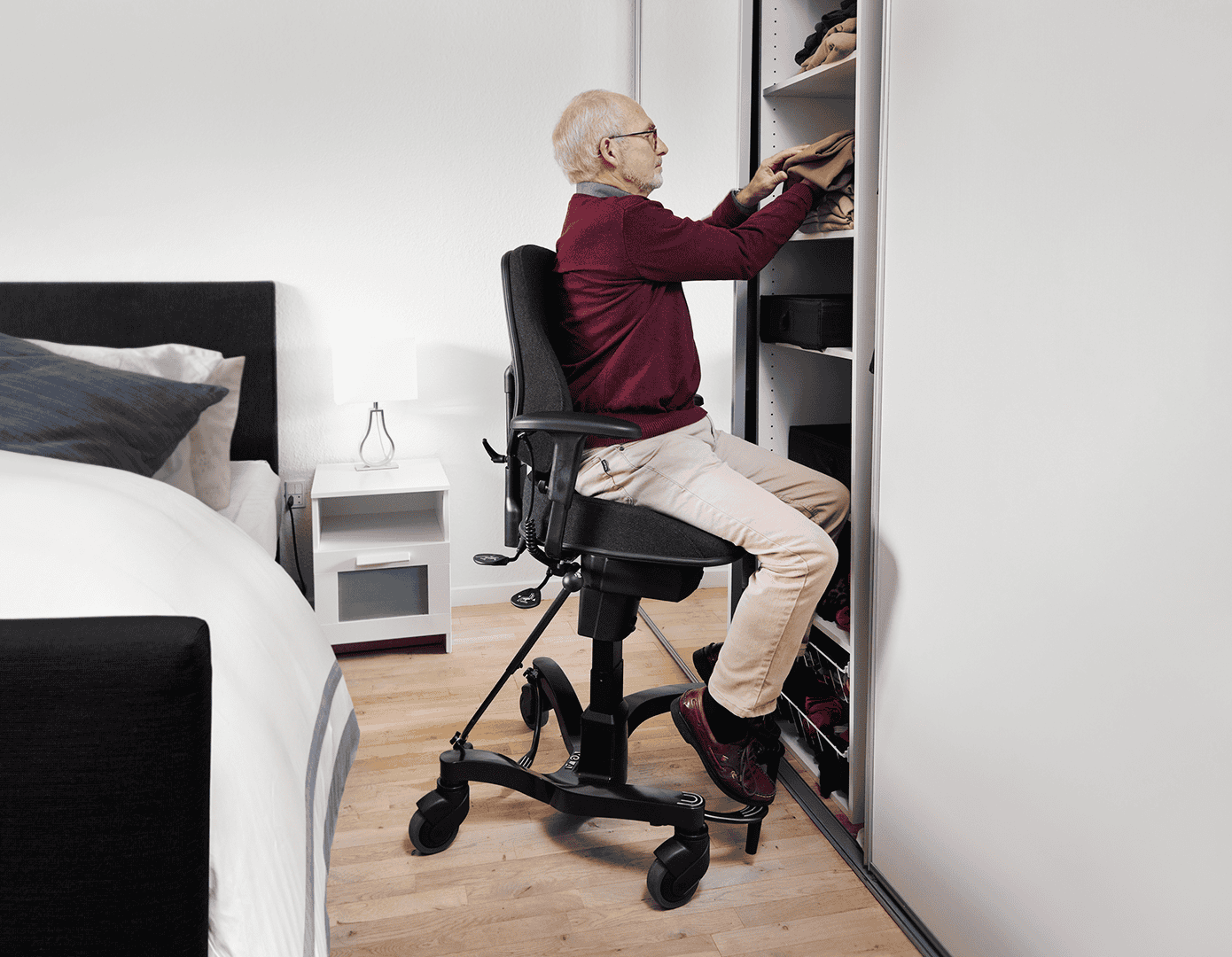
VELA Chairs, for instance, remain an example of medically approved mobility devices that empower elderly individuals by providing a balance of safety and freedom of movement. These chairs enhance comfort while performing daily tasks such as cooking or dressing and also lessen the burden on caregivers by facilitating ease during activities like transferring[1][5].
Comparing Nursing Home Care to Home-Based Alternatives
When deciding between a nursing home and home-based care, it’s essential to evaluate both options’ advantages and limitations. Nursing homes such as Bear Mountain offer structured environments with 24/7 medical care and social engagement opportunities. However, home-based care and community programs can offer flexibility and a sense of familiarity. Recent innovations enable these environments to benefit from smart assistive devices—including AI-powered aids, IoT-connected monitoring systems, and ergonomically designed supports—making home-based care more viable than before[1][4]. Families should weigh these options carefully, ensuring their choice aligns with their loved one’s needs and preferences. Adaptive solutions like VELA Chairs can enhance safety and mobility in either setting, empowering residents to maintain a degree of independence.
In conclusion, Bear Mountain Healthcare’s Massachusetts facilities provide critical services, each with strengths and areas for improvement. By considering the trade-offs between facility-based and home care, and making informed decisions, families can select the best care path for their loved ones.
How Mobility Solutions Like VELA Make a Difference
In considering alternatives that allow seniors to remain in their homes longer, VELA Chairs represent one robust option. Designed with features conducive to aging in place, these chairs support independence through secure stability with a central brake and electric height adjustability to facilitate safe transfers and minimize fall risks. They allow seniors to move throughout their home with ease, conserving energy and enhancing participation in daily activities such as cooking, cleaning, and relaxing. Such tools don’t just maintain safety but also preserve dignity and freedom for older adults, providing a practical way to delay the transition to nursing home care while reducing caregiver burdens. In line with current trends, assistive mobility solutions like these increasingly incorporate user-centered design and ergonomic enhancements, keeping pace with the latest innovations in eldercare[3][4][5]. While not the only solution, VELA Chairs demonstrate a thoughtful approach to improving quality of life for seniors living independently at home.
Sources:
[1] Channel Point Village, “How Assistive Technologies Are Shaping Senior Care in 2025”
[2] Next MSC, “Disabled and Elderly Assistive Device Market 2025–2030”
[3] NIH/PMC, “The Role of Assistive Technology in Enabling Older Adults” (2024)
[4] iHealthcareAnalyst, “Geriatric Assistive Devices Market: Trends, Technologies & Outlook”
[5] SeniorSite.org, “15 Best Assistive Devices for Elderly 2025”
[8] BCC Research, “The Growing Market for Elderly and Disabled Assistive Devices”