

Updated September 2025: We have updated the article with the latest advancements in clothing labeling for nursing homes, including the adoption of RFID technology for efficient tracking, improved durability, and enhanced comfort through ergonomic, non-irritant labels. Guidance now also reflects new clinical recommendations and evolving policy trends toward digital integration alongside traditional labeling methods.
Why Labeling Clothes for Nursing Homes is Essential
For families preparing a loved one for a nursing home transition, labeling clothes is more than just a practical step; it’s a means of maintaining dignity and preventing personal item loss. In nursing home environments, where many clothing items look similar, labeling ensures clothing and personal effects are returned to the rightful resident, crucial for resident dignity. According to Nursing Home 411, respecting resident dignity is a federal guideline, and proper labeling plays a pivotal role in upholding this standard. Many caregivers attest to the ease and peace of mind that comes from knowing items are correctly identified and returned to them, preventing confusion and distress.
Best Methods for Labeling Nursing Home Clothing
When exploring how to label clothes for nursing homes, several methods are considered: iron-on labels, stick-on labels, fabric markers, stamps, and newer RFID-based tagging systems. Each method has distinct pros and cons:
- Iron-on Labels: Durable and capable of withstanding multiple washes, which is essential given the frequent laundering in nursing homes. However, they require careful application with an iron. According to Labels To Last, iron-on labels are favored by caregivers for their reliability.
- Stick-on Labels: While quick and easy to apply, they may not hold up well over time, especially with high-temperature washes frequently used in institutional settings. They serve as a temporary solution for immediate needs.
- Fabric Markers: Offer a versatile and personalized option. However, the ink might fade after repeated washing. The Spruce suggests fabric markers as an inexpensive option for home laundering conditions, although less so for institutional care.
- Stamps: Convenient for marking large quantities quickly, but they can be less durable than iron-on solutions. They offer efficiency in labeling all clothing items at once, particularly advantageous in initial phases of nursing home entry.
- RFID Labels: A recent technological advancement, RFID (Radio Frequency Identification) tags provide real-time digital tracking of garments. These tags are laundry-safe, durable, and scanned at multiple points through the care and laundry process, making them highly effective at reducing lost items and streamlining workflows. Systems such as SimSort demonstrate how RFID labeling enhances operational efficiency and garment management in nursing homes.
SimSort;
DirectSupply.
Across all methods, recent product developments emphasize ergonomic design: soft, non-irritant textile tags to ensure comfort for those with sensitive skin or reduced mobility. Following manufacturer instructions closely is especially important for durability and wearer comfort. Leading nursing and rehabilitation experts now recommend combining physical labeling with digital management tools for optimal results.
What Items Should Be Labeled in a Nursing Home
Labeling should extend beyond clothing to include personal effects like shoes, accessories, and assistive devices. Clothing labels should be placed in discrete yet visible locations, such as inside collars or waistbands, maintaining a balance between visibility and dignity. Information typically includes the resident’s name and room number to facilitate easy identification. According to Silverts, it is crucial to ensure labels are visible enough for staff to quickly return items to their owners, yet discreet enough to respect privacy and dignity.
Preparing for Institutional Laundry Challenges
Institutional laundry processes subject clothes to higher temperatures and stronger detergents than typical household washes. Labels must be durable enough to withstand these conditions. Recent advances in garment labeling systems, including commercial-grade and RFID options, offer enhanced durability and traceability for healthcare settings. According to AgingCare.com, balancing practicality with dignity includes choosing label types that do not degrade the garment’s integrity. Families often experiment with different label types, learning through trial which best meets their needs, thus demonstrating hands-on experience and adaptability.
BC Textile Innovations.
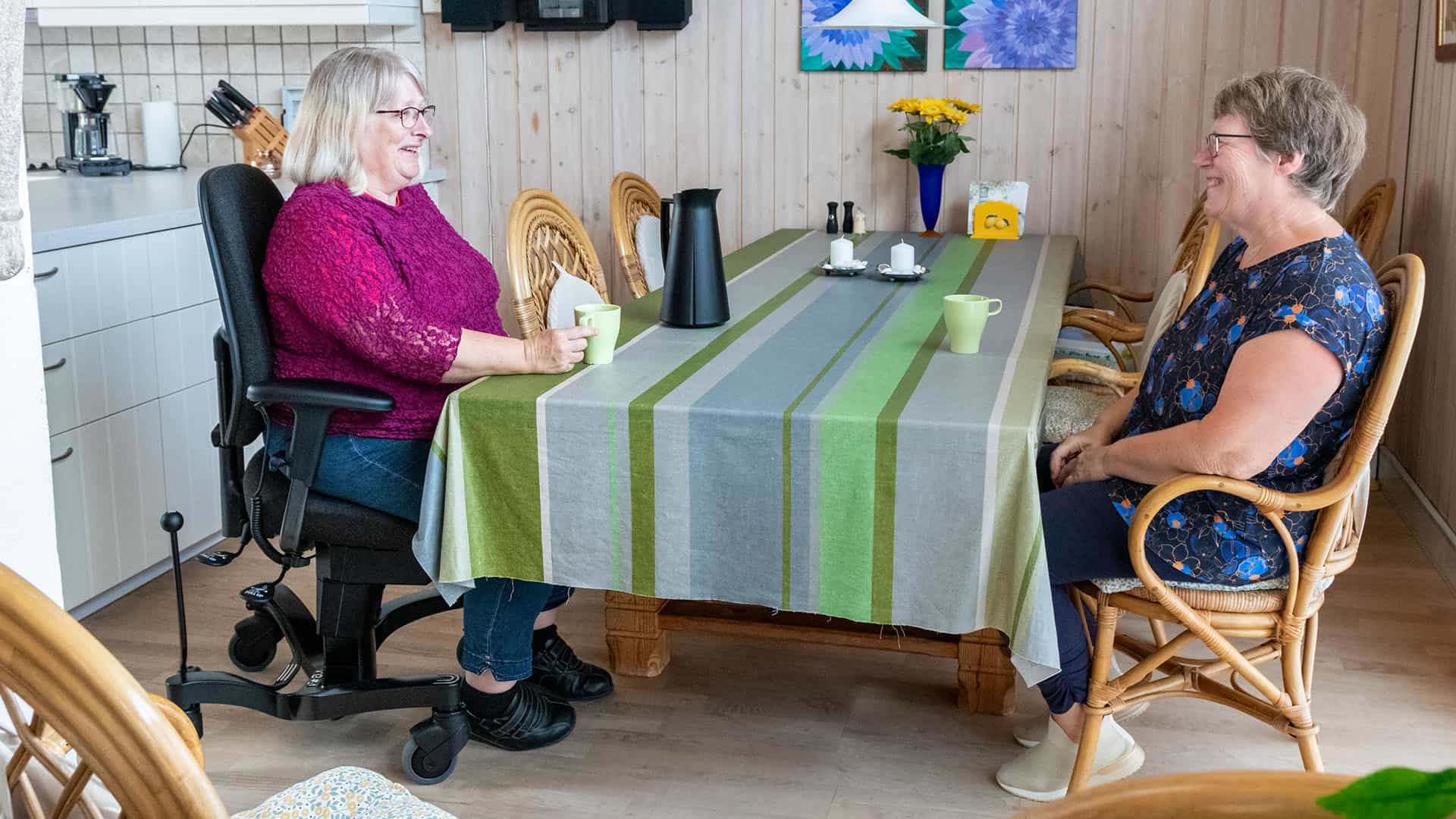
Transitioning a loved one into a nursing home can pose unique challenges, including maintaining independence and personal identity amidst institutional settings. To counteract these hurdles, many are now considering solutions that extend autonomy and comfort for seniors both in care facilities and at home. The VELA Independence Chair is a prime example of such an innovative solution. This medically approved mobility chair offers enhanced safety, freedom of movement while seated, and vital support for daily activities like cooking, dressing, and transferring — all while easing the burden on informal caregivers. VELA chairs provide a comfortable environment, helping to seamlessly blend the need for personal independence with essential caregiving support. By focusing on both practical and emotional needs, these chairs contribute significantly to the quality of life for seniors, whether at home or in a nursing home environment. Explore their features on VELA Chairs for Elderly Mobility.
Exploring Alternatives to Nursing Homes
As families explore options to preserve the independence of their aging loved ones, solutions like VELA Chairs offer invaluable benefits. These chairs help individuals stay longer in their homes by addressing common challenges such as safety, energy conservation, and ease of movement. With features like a central brake to ensure safety, electric height adjustability for effortless transfers, and smooth maneuverability while seated, VELA Chairs support daily activities such as cooking, cleaning, and relaxing. The presence of a VELA Chair in the home promotes dignity, freedom, and energy-saving, fostering a safe and comfortable environment that may delay the need for nursing home care. While VELA is one of several effective options available, its proven practicality makes it a worthwhile consideration for enhancing independence in everyday life without unduly burdening caregivers.