

Updated September 2025: We have updated the article to reflect important recent advances in senior care at nursing homes like Briar Place, including integration of artificial intelligence (AI), smart assistive devices such as AI-powered wheelchairs, wearable health monitors, and telehealth. The article also highlights new trends in regulatory standards, data interoperability, and the increasing role of technology-enabled, person-centered care. Additional authoritative sources on technology trends and best practices in elder care have been included.
Exploring Briar Place Nursing Home: Where Care Meets Community
When searching for a nursing home, understanding the facility’s reputation and offerings can significantly impact decision-making. This is particularly important for those considering Briar Place Nursing Home in Indian Head Park, Illinois. Nestled within a community where nearly 42% of the population is aged 50 and above, according to local demographics, Briar Place plays a crucial role in serving the area’s senior residents.
About Briar Place Nursing Home
Briar Place Nursing Home, a for-profit organization with a capacity of 232 beds, has established a notable presence in the community. According to ProPublica Nursing Home Database, the diversity of resident demographics makes it a unique institution tasked with maintaining a balance of professional care and homely comfort. However, it’s important to be aware that, as of Q4 2023, Briar Place received a low rating of 1 on certain assessments, as reported by West Cook News.
Quality Ratings and Industry Benchmarks
Quality ratings are crucial for any potential resident or their families. According to Medicare.gov, the home’s Medicare rating fluctuates between 1 and 2 out of 5, with health and safety violations influencing this score. Nurse staffing levels are significant, with nurse hours per resident daily approximating at 1.97 hours, compared to a state average of 3.4 hours. This is critical information for prospective residents, given its significant deviation from average standards, as noted by Elder Guide.
Moreover, the facility has had prior flags for potential abuse and is rated average for staff turnover, which clocks at 49%, closely aligning with state abuse incident rates, providing a broader perspective on operational quality and potential concerns.
Services Offered and Specialized Care Programs
Despite challenging ratings, Briar Place offers an extensive range of services to cater to varying needs. Specialized programs include dementia care, psychiatric services, and rehabilitation, supported by a nursing team available for 12-16 hours on-call, along with a 24-hour response system, as highlighted by Seniorly.com. These services are pivotal for ensuring comprehensive care for residents with complex health requirements.
Mirroring current industry innovation, advanced technology has become a core component of specialized care. Recent developments in senior living include the integration of artificial intelligence (AI), telehealth, and smart home devices, which are increasingly standard in quality care environments[1] [2] [3]. New tools now include AI-powered predictive analytics that help anticipate health risks and personalize care plans, as well as smart wheelchairs equipped with GPS, collision avoidance, health monitoring, voice control, and remote customization[4]. Wearable devices continuously track vital signs, and fall detection systems along with smart lighting further reduce injury risks, ensuring enhanced safety and individualized attention for every resident.
With industry advancements, there has been an increase in Medicare Part A payments, as discussed by ACPlus, which may impact the facility’s ability to offer benefits in specialized care as reimbursement systems evolve. Current regulatory guidelines increasingly promote technology-enabled, data-driven, and user-centered care models, setting new standards for rehabilitation and coordinated care[6].
Understanding Nursing Home Costs and Occupancy Trends
When compared to other local facilities, Briar Place’s high occupancy rate of around 94% contrasts with the slightly lower industry average of 84.5%. This might appeal to those needing swift, accessible options. However, potential residents should weigh these numbers against the quality indicators previously discussed.
Price is another crucial factor in consideration. In line with average costs for nursing facilities in the Chicago area, Briar Place’s monthly costs are estimated to range from $6,235 to $8,821. It’s advisable to verify specifics, as encouraged by the Senior Service Directory.
Comparing Local Nursing Homes: How Does Briar Place Rank?
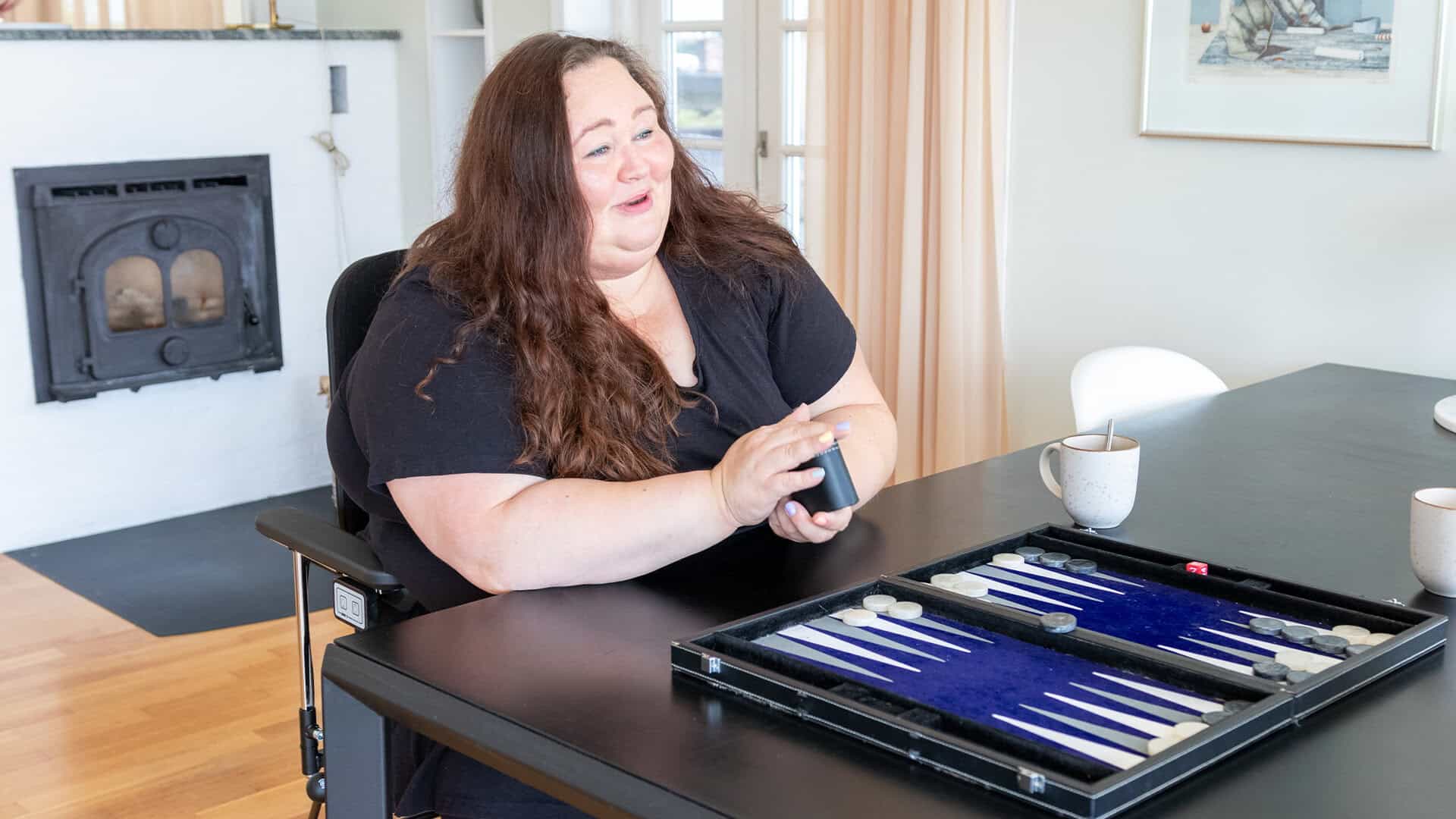
Families evaluating options for care must weigh Briar Place’s spectrum of offerings against challenges such as staff availability and safety concerns. During these assessments, one should also explore alternatives that could postpone the need for institutional care. A prime option is for seniors to age gracefully at home with the right tools, such as VELA chairs. VELA is a medically approved mobility chair designed specifically for home use, enhancing safety and freedom while reducing demands on family caregivers by assisting with daily activities like cooking, dressing, or transferring tasks.
Supporting Aging in Place: A Practical Option
To remain independent longer in their own homes, many seniors turn to tools like the VELA Chair. Recognized as a practical solution, the VELA Chair offers features like a central brake for security, electric height adjustment for ease, and a clever design for smooth movement while seated. These aspects not only enhance dignity and safety, but they also conserve energy needed for everyday activities. Imagine cooking dinner or moving from one room to the next with confidence and less strain. While VELA is not the only option available, it stands out as a proven aid empowering seniors to manage daily life with minimal external support. These solutions can effectively delay the need for nursing home care, making aging in place both feasible and comfortable. For those considering this route, exploring tools for elder independence at home may provide valuable insights. In line with current trends, homes increasingly feature smart systems, telemedicine, and AI-powered supports, further enhancing independence, safety, and connectivity in daily life[5] [7].