

Updated September 2025: We have updated the article to reflect recent advancements in assistive technologies, including AI- and IoT-enabled mobility aids and smart glasses for visually impaired residents. The update also discusses the integration of telehealth, remote monitoring, AI-guided rehabilitation, wellness-focused facility design, and a shift toward person-centered care and updated sanitation protocols in nursing homes.
Understanding Burns Nursing Home: A Russellville, Alabama Landmark
Burns Nursing Home, located at 701 Monroe Street NW in Russellville, Alabama, serves as a cornerstone of elder care in this tight-knit community. Known for its historical roots and commitment to seniors, the facility meets the needs of Russellville’s aging population. As a small, for-profit corporation, Burns Nursing Home offers personalized care, leveraging its limited size effectively. According to Medicare.gov, the facility holds a 2 out of 5-star overall rating, with a commendable 4-star rating for staffing quality and an occupancy rate of 92%.
Evaluating Services and Resident Care at Burns Nursing Home
Central to Burns Nursing Home’s mission is delivering comprehensive, resident-centric care encompassing long-term care, rehabilitation, and therapeutic services. The facility’s 2-star overall CMS rating indicates areas needing improvement, particularly in health inspections, where it currently has a 2-star rating. Despite this, Burns Nursing Home has achieved significant progress in staffing and quality care, as indicated by its 4-star scores in both categories. This reflects the dedication of its staff, who, due to the facility’s smaller scale, can offer more individualized attention. Feedback from resident families often recognizes this personal touch as a substantial benefit, compensating for its structural and regulatory challenges.
Burns Nursing Home accepts both Medicare and Medicaid, which is critical for broadening access to their services. However, potential residents and families should be informed about past federal fines totaling $24,644 over three years for violations, as reported by the Nursing Home Law Center. Understanding these legal aspects is crucial for making informed decisions regarding senior care choices.
Navigating the Future: Industry Trends in Skilled Nursing for 2025
The future of skilled nursing is dynamic, with trends reshaping the industry and affecting facilities like Burns Nursing Home significantly. According to the CMS, a 4.2% increase in Medicare payments for FY 2025 will likely impact funding and operational dynamics. NIC MAP Data highlights a notable trend with skilled nursing facility occupancy rising to 84.5% in Q3 2024, marking consistent growth over 14 quarters and underscoring the increasing demand for senior care. While escalating costs and regulation present challenges, they also encourage innovation in service models to enhance care quality.
A significant development in 2025 is the adoption of AI- and IoT-enabled assistive devices that enhance mobility and independence through real-time adaptive responses. These include wearable devices and AI-powered smart glasses, such as the Meta Ray-Ban Smart Glasses, which provide visually impaired residents with real-time environmental information for hands-free interaction. Facilities are also emphasizing AI-driven personalized rehabilitation plans and integrating telehealth solutions for remote monitoring, providing residents with greater autonomy and safety. Advances in remote fall detection systems and health monitoring are now considered best practice for supporting aging in place and reducing institutionalization risks. Person-centered care models are increasingly favored both by experts and regulatory bodies, allowing residents to exercise more autonomy over their schedules and personal preferences. Ongoing infection prevention and strict sanitation protocols remain core elements of regulatory oversight and operational quality (Cognitive Market Research 2025; Shepherd Premier Senior Living 2025; Justice In Aging 2025).
Beyond Traditional Nursing Homes: Exploring Modern Alternatives for Elderly Care
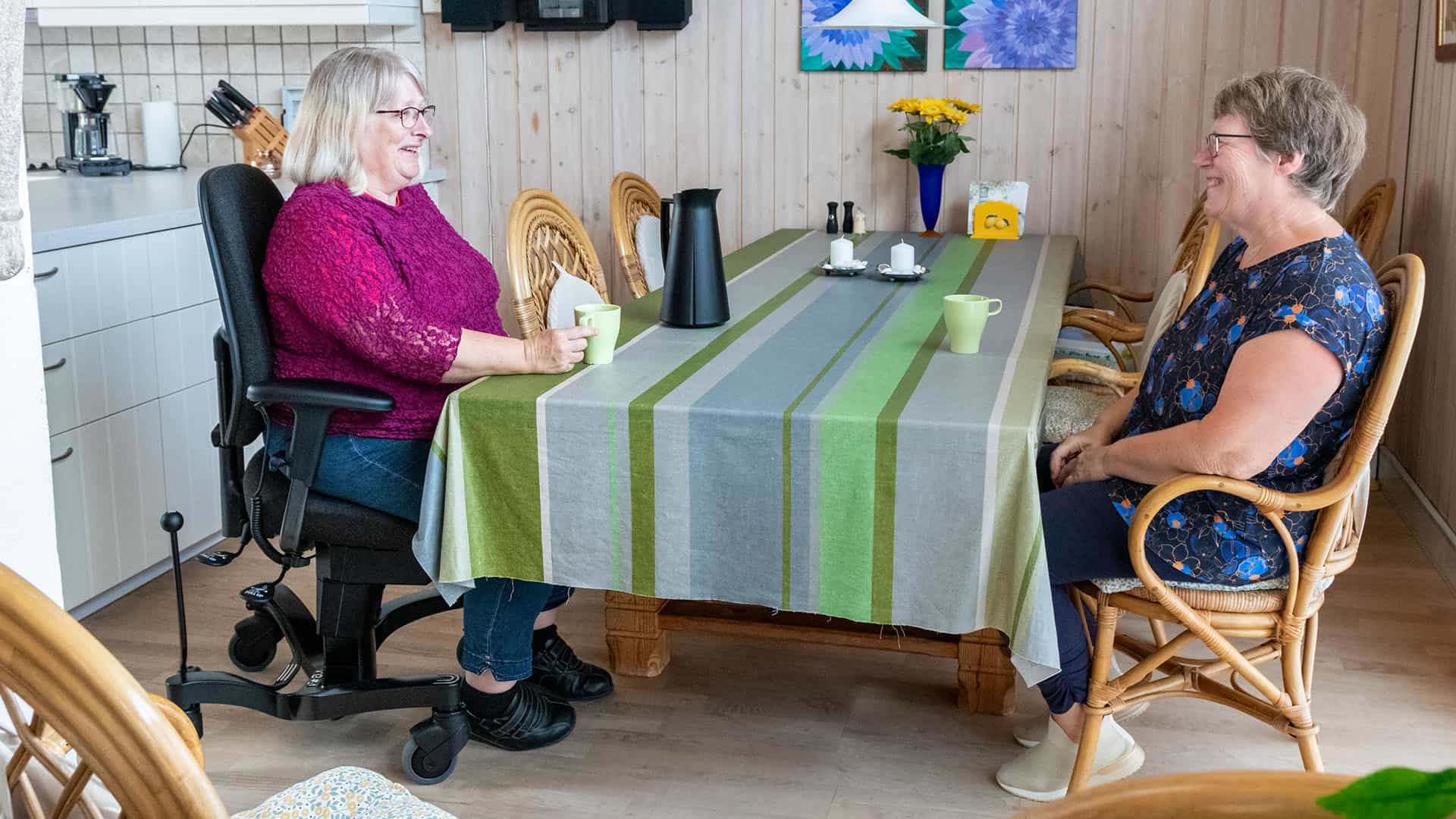
In light of the challenges faced by nursing homes, such as limited staffing and regulatory hurdles, many families are increasingly considering solutions that allow older adults to remain independent in their own homes. Products like the VELA Independence Chair offer one such solution. As a medically approved mobility chair designed for home use, it provides enhanced safety and freedom of movement while seated. This aids in daily activities like cooking, dressing, or transferring, thereby reducing the load on informal caregivers and potentially delaying the need for nursing home care.
Recent innovations now supplement these mobility aids with AI and IoT integration, enabling real-time adjustment to the user’s environment, AI-driven fall detection, and remote health monitoring for improved safety and autonomy. For visually impaired seniors, smart glasses such as Meta Ray-Ban and services like Aira offer live scene interpretation and visual description, supporting hands-free navigation and richer interaction with the world (First Aid for the Blind 2025; CSUN Assistive Technology Conference 2025). Telehealth platforms and AI-guided care personalization are key tools supporting home-based and individualized senior care (Let’s Envision 2025). These developments expand the range of thoughtful options for families seeking to promote independence and well-being at home.
Informed Choices: Balancing Tradition and Innovation in Senior Care
In conclusion, Burns Nursing Home remains a vital healthcare provider for the senior population of Russellville, balancing its core services with ongoing challenges. A comprehensive understanding of the facility’s strengths and weaknesses is essential for prospective residents and their families. As the eldercare landscape evolves, incorporating both traditional options and modern alternatives like home-based care, AI-enhanced assistive devices, and telehealth-enabled supports allows families to make well-informed, strategic choices for their loved ones. Prioritizing individual needs and providing a dignified, supportive care environment ensures a fulfilling experience for seniors, whether in a nursing home or a more personalized home setting.
Supporting Aging in Place: A Practical Option
Choosing to age in place offers a practical and financially feasible option for many seniors, bolstered by innovations such as the VELA Chair. This mobility solution enhances independence by addressing key challenges like safety and energy during routine tasks. Equipped with features like a central brake for stability, electric height adjustability, and the ability to easily move while seated, these chairs represent a significant aid in daily life, from cooking to resting. In 2025, further advancements include AI-powered fall detection, remote monitoring, and integration with smart home systems—supporting safer living environments. By improving quality of life and reducing the burden on caregivers, VELA Chairs allow seniors to maintain dignity and freedom longer, potentially delaying the transition to nursing home care. While not the only option available, their proven and evolving effectiveness makes them a valuable consideration for those seeking to enhance in-home care (Cognitive Market Research 2025).
Sources
- Cognitive Market Research, Assistive Technology Market Report 2025
- Shepherd Premier Senior Living, Healthcare and Rehabilitation Trends for 2025
- Let’s Envision, The Future of Assistive Technology & AI Assistants 2025
- First Aid for the Blind, Assistive Technology Roundup August 2025
- CSUN Assistive Technology Conference 2025 Highlights
- Justice In Aging, 25 Common Nursing Home Problems & Solutions
- Centers for Medicare & Medicaid Services (CMS), Nursing Homes Guidelines and Regulations