

Updated January 2026: We have updated the article to reflect the repeal of federal nursing home minimum staffing mandates effective February 2026, new CMS payment and assessment protocols for FY 2026, and the latest CES 2026 innovations in assistive technology such as AI-powered smart wheelchairs, robotic transfer aids, and all-terrain mobility robots. These changes particularly impact rural facilities in the Butler area and encourage adoption of advanced mobility solutions to promote resident independence and meet evolving care challenges.
Exploring Butler Nursing Homes and Care Alternatives
As the senior population in Butler, PA, and Butler County, OH continues to rise, the demand for high-quality nursing home care is more pertinent than ever. Particularly, a projected 36% increase in residents aged 85 and over by 2040 emphasizes the urgent need for comprehensive care solutions Butler County Elderly Services Program. Understanding the landscape of nursing homes in these regions is essential for anyone considering this important decision.
Understanding the Landscape of Nursing Home Care in Butler
Nestled in Pennsylvania and Ohio, Butler and Butler County present a unique demographic profile, with a significant portion of their populations being seniors. These growing needs are met by numerous facilities offering specialized services. For instance, residents can opt for centers focusing on short-term rehabilitation or long-term nursing care, each tailored to specific health needs. Such facilities often provide personalized care plans, ensuring that each resident receives the appropriate level of support and medical attention.
ProPublica provides a detailed inspection report on these facilities, giving insights into their performance and quality standards ProPublica. For example, feedback from residents’ families often highlights the importance of staff attentiveness and the overall home-like environment—factors crucial to the quality of care. Timely maintenance of equipment and facility hygiene are also critical aspects frequently evaluated during these inspections.
Federal regulatory expectations for staffing and care protocols shifted significantly following the repeal of minimum staffing mandates by the U.S. Department of Health and Human Services on December 2, 2025. Effective February 2, 2026, nursing homes, including those in Butler, are no longer required to meet fixed federal standards for 24/7 RN presence or specific hourly care ratios for nurses and aides. This change aims to provide greater flexibility, especially for rural facilities, but may raise local concerns about care consistency. Families and prospective residents are encouraged to verify current staffing levels and coverage directly with individual facilities.HHS Federal Register HHS Press Release In addition, the Centers for Medicare & Medicaid Services (CMS) updated facility expectations in 2025, emphasizing resident participation in treatment, rigorous protocols on psychotropic medication, strengthened transfer/discharge rights, and ongoing Payroll Based Journal (PBJ) reporting for staffing transparency. Recent CMS payment system final rules have refined reimbursement processes through updated ICD-10-CM mappings and have removed certain Social Determinants of Health data from assessments, impacting both billing and quality reporting.CMS CMS Surveyor Guidance PDF Skilled Nursing News Sandberg Phoenix CMS Appendix PP CMS FY 2026 PPS
Spotlight on Leading Nursing Homes in Butler
Several top-rated nursing homes in Butler, PA, and Butler County, OH, stand out for their excellent services. These facilities offer various care options, including memory care, post-hospital care, and community programs. Financial concerns are addressed through Medicare and Medicaid funding options SeniorLiving.org, ensuring accessibility for seniors across different income levels.
For example, the Arabella Health & Wellness center in Butler, PA, focuses on creating a supportive environment through community engagement activities, such as gardening clubs and regular health seminars, enhancing both physical and emotional well-being. Similarly, Butler Rehab & Healthcare Center is renowned for its robust rehabilitation programs, aimed at helping residents regain independence and maintain a high quality of life Arabella Health & Wellness.
Major renovations at local facilities, such as Butler Memorial Hospital in May 2025, highlight advances in assistive and ergonomic design. Updated features include ADA-accessible rooms, widened hallways for ease of movement, and anti-ligature fixtures for safety. In 2026, current trends more actively integrate cutting-edge mobility and health technologies. These include AI-powered smart wheelchair sensors, such as LUCI add-ons, which provide real-time obstacle detection and autonomous navigation, as well as all-terrain robotic mobility solutions like the XSTO X12, and smart wheelchair attachments including the upcoming WheelMove (launching mid-2026). Facilities are also evaluating robotic transfer aids (such as ReviMo Niko), supporting safer and more independent movement for residents and reducing staff workload. User customization, insurance funding options for qualified medical devices, and seamless integration with digital health systems are enabling broader accessibility and lowering care burdens. Butler Memorial Hospital Renovation Keyway Medical Think Beyond the Chair Equal Accessibility LLC NCBI/PMC CES 2026 Mobility Management CES 2026 Accessibility.org.au
Navigating the Future: Trends and Challenges in Nursing Home Care
As we look toward 2026, the nursing home industry faces several trends and challenges. Nationally, the occupancy rate reached 84.5% in the third quarter of 2024, reflecting ongoing pressures on available bed inventory NIC. In Butler specifically, rising costs and evolving regulatory standards present additional operational hurdles. The repeal of federal minimum staffing requirements was justified by the HHS as a measure to avoid closure risks for rural facilities; however, it is important for families to monitor how this flexibility is implemented by providers in their communities.HHS Press Release
The CMS has announced updates to its Nursing Home Care Compare system, effective July 30, 2025, improving transparency and user-friendliness for families and caregivers evaluating nursing home performance. The revised platform places a new focus on chain-level ratings and updated quality measures, further supporting informed choice and accountability in the sector. CMS Nursing Home Care Compare
Nursing Homes vs. Home-Based Care: Making the Right Choice
Choosing between nursing home care and at-home alternatives involves weighing several factors like cost, convenience, and personal preference. Nursing homes offer the benefit of round-the-clock care, which can be indispensable for individuals with complex medical needs. On the other hand, in-home care options support aging in place, sometimes enhanced by supportive community programs.
Recent advances in assistive technology further broaden these alternatives. Attendees at CES 2026 previewed a new generation of AI-powered smart wheelchair accessories (such as LUCI sensors), autonomous navigation systems for power chairs, all-terrain mobility robots like the XSTO X12, and robotic transfer aids such as ReviMo Niko. These technologies facilitate resident independence and safety, both in home environments and residential facilities, while reducing demand on staff. Integration with mobile apps and remote monitoring platforms allows for enhanced caregiver support and oversight.CES 2026 Mobility Management CES 2026 Accessibility.org.au Keyway Medical Equal Accessibility LLC
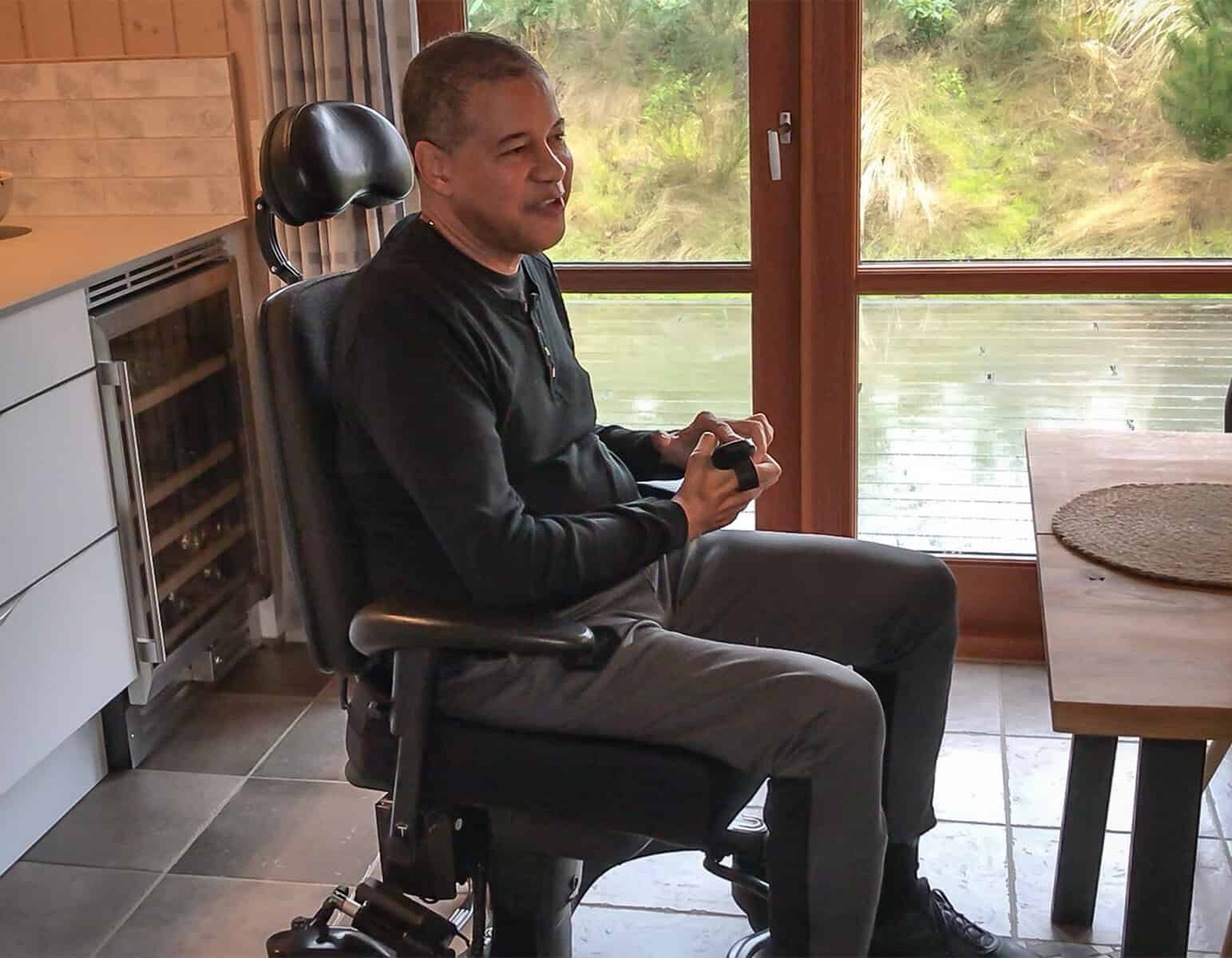
A significant option for promoting at-home care while addressing common challenges in safety and mobility is the VELA Independence Chair. This medically approved mobility chair is designed for home use, providing enhanced safety and freedom of movement while seated. It supports daily activities such as cooking, dressing, or transferring, and can significantly alleviate the workload of informal caregivers by making these activities more manageable.
Supporting Aging in Place: A Practical Option
Staying independent at home can now be a viable alternative for many seniors, thanks to innovations like the VELA Independence Chair. Designed for elder safety, VELA chairs grant users a greater sense of freedom and security, potentially delaying the need for nursing home placement. Their electric height adjustability aids in safer standing and sitting transitions, while features such as the central brake ensure stability during use. By enhancing everyday activities—from cooking to leisurely reading—VELA chairs help seniors maintain their dignity and independence. These mobility solutions also reduce strain on caregivers, fostering a supportive environment that respects personal preferences and meets the unique needs of aging individuals without sacrificing comfort or safety. While VELA is not the only option available, it demonstrates a proven and practical approach to extending independence.