

Updated September 2025: We have updated the article to reflect recent advancements in assistive technology, such as AI-integrated mobility aids, smart home adaptations, and expanded telemedicine use. Additionally, we have included information on the 2025 CMS regulatory updates for nursing homes, emphasizing health equity, medication oversight, and staffing requirements.
Enhanced Article: Camelot Nursing and Rehabilitation Center: A Comprehensive Guide
When searching for a suitable nursing home, Camelot Nursing and Rehabilitation Center in Farmington, Missouri often emerges as a prominent option. This article delves into the facility’s service offerings, amenities, and staffing metrics, providing a comprehensive overview for families evaluating care options in the region.
Overview of Camelot Nursing and Rehabilitation Center
Situated in the heart of Farmington, Camelot Nursing and Rehabilitation Center dedicates itself to offering extensive care services to the local community. As a for-profit Limited Liability Company affiliated with MGM Healthcare, Camelot features 97 certified beds with an estimated occupancy rate of 70.72% as reported by Elder Guide. Despite this moderate occupancy, Camelot is noted for having a staffing level of 3.58 nurse hours per resident per day, surpassing the state average of 3.4, according to ProPublica. However, prospective residents and families should consider the facility’s overall quality rating, which is assessed as poor by several reviews. According to Medicare.gov Care Compare, Camelot holds a low rating, warranting careful consideration of its strengths and areas for improvement.
Services and Specialized Care Programs
Camelot offers a broad array of services aimed at fostering recovery and providing round-the-clock nursing care. Their programs include extensive rehabilitation therapies—such as physical, occupational, and speech therapy—alongside specialized services like memory care and wound care, as detailed by SeniorHousingNet. Nutritional counseling and hospice care further underscore their commitment to comprehensive resident well-being. By integrating these services, Camelot aims to create a supportive environment tailored to individual health needs.
Recent advancements in elder care services now include the adoption of AI and smart technologies across the industry. Facilities commonly integrate health monitoring wearables and smart home adaptations that monitor resident safety, provide medication reminders, and send emergency alerts. These tools help promote proactive, personalized care and foster greater independence and health outcomes for residents. In addition, telemedicine and remote health monitoring have become standard, enabling more continuous and accessible resident support, especially for those with changing health conditions.
Sources: [1][3][5]
Staffing and Quality Metrics
Staffing is a critical factor reflecting the quality of nursing home care, and Camelot addresses this concern with its nurse staffing ratio exceeding state average levels. However, according to ProPublica, the center grapples with a significant 71.4% nurse turnover rate, notably higher than Missouri’s state average of 57.6%. This high turnover rate is critical in evaluating the stability and continuity of care that residents might experience, impacting their overall satisfaction and outcomes.
The regulatory landscape for nursing homes has changed significantly due to 2025 Centers for Medicare & Medicaid Services (CMS) updates. Key revisions focus on stricter oversight of staffing levels, transparency around medication use (with special attention to psychotropic drugs), and enhanced resident rights, especially related to admissions, transfers, and discharges. Compliance with health equity requirements and national CPR certification standards for staff is now required. These changes place greater emphasis on thorough documentation, active quality assurance, and root cause analysis following adverse events.
Sources: [2][4][6]
Facility Amenities and Living Environment
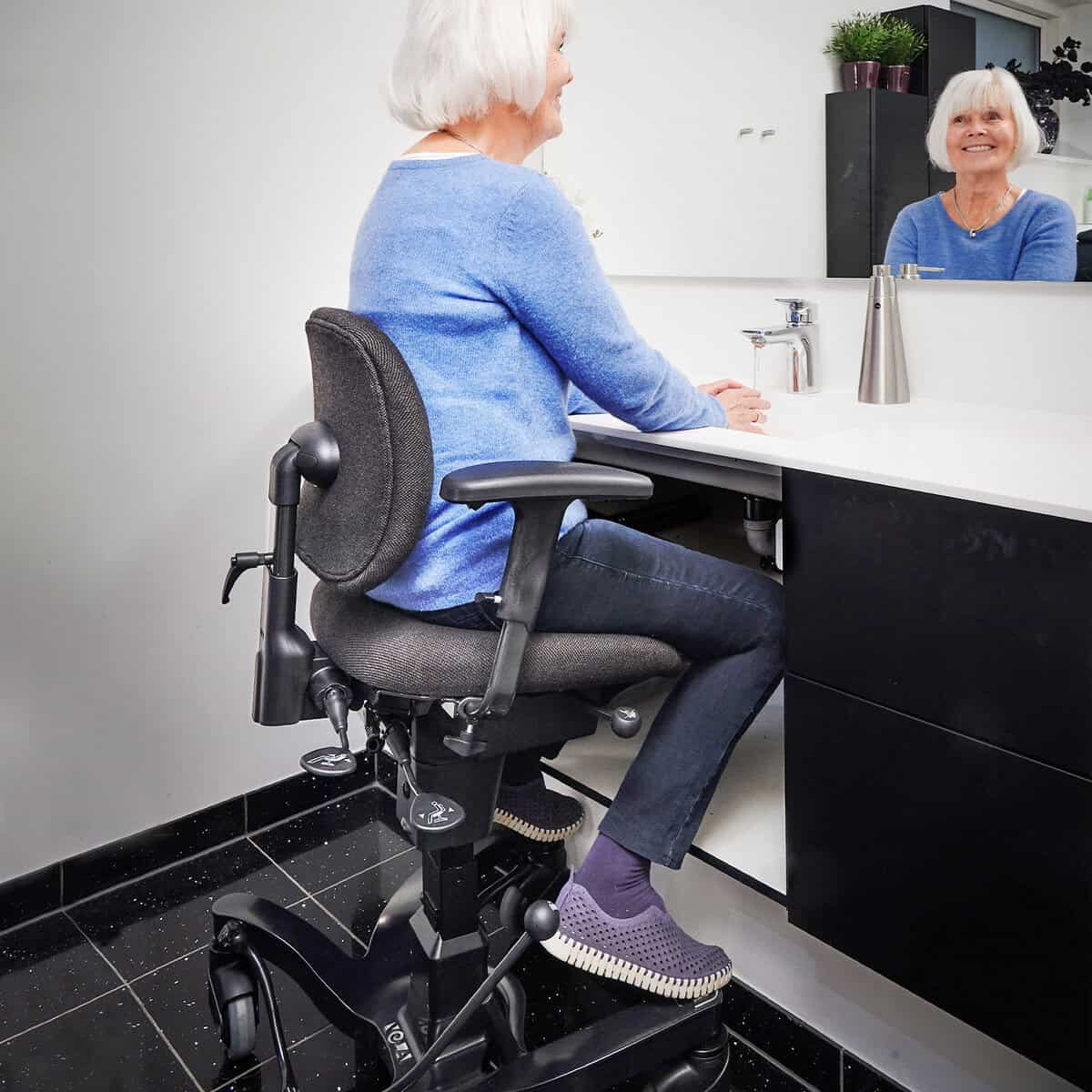
Camelot provides a variety of living arrangements, including private and semi-private rooms. Residents can partake in numerous daily activities, dining options, and social programs, all of which aim to create a dynamic and engaging environment (Elder Guide). While nursing homes address various health needs, they often face challenges such as high staff turnover and the need for personalized attention. By considering alternative solutions like adaptive mobility aids, older adults might maintain independence longer in their homes. Among these, the VELA Independence Chair is a medically approved mobility chair designed for home use. It enhances safety, offers freedom of movement while seated, and supports daily tasks such as cooking or dressing, thereby reducing the caregiver load.
Contemporary living environments for seniors increasingly feature connected devices and personalized technology solutions. For example, smart wheelchairs now offer functions such as GPS navigation, collision avoidance, and real-time health monitoring, with settings that can be adjusted remotely via apps. Voice-activated assistants and robotic companions also support both mobility and social engagement, reducing isolation and enhancing quality of life.
Sources: [1][3][5][7]
Location and Surrounding Community
The location of Camelot in Farmington offers substantial conveniences due to its proximity to various medical facilities. Just a short distance away is Parkland Health Center, assuring readily available medical support when necessary. Additionally, Farmington boasts a rich array of community amenities, which include parks, shopping centers, and various services designed to enhance the quality of life for residents (SeniorHousingNet).
Staying Independent at Home with Support
Exploring ways to maintain independence at home can significantly affect the quality of life for seniors. Mobility solutions like VELA Chairs offer practical benefits, enhancing self-sufficiency while ensuring safety. With features like a central brake for security, electric height adjustability, and ease of movement while seated, these chairs enable seniors to perform daily activities such as cooking, cleaning, and relaxing more independently. Utilizing such aids might delay the transition to a nursing home, offering a sense of dignity and freedom. While VELA Chairs are not the only solution, their proven effectiveness makes them a valuable option for those looking to age in place with reduced caregiver dependency. By supporting safer transfers and conserving energy, these mobility aids make a tangible difference in the everyday lives of older adults. Enhancing Independence
Tech-enabled support at home now extends to wearable health monitors, AI-driven fall prevention systems, and connected smart home environments. These technologies proactively assist with medication schedules, environmental adjustments, and emergency communications, allowing seniors to remain safely independent for longer. Seniors are also increasingly comfortable with voice assistants and app-based control of devices, reflecting a trend toward more intuitive, adaptive support tailored to individual needs.
Sources: [1][3][5][7]
References:
[1] INTCO Medical — In-depth review of cutting-edge assistive technologies for seniors, including wearables, robotics, and smart home systems (published July 2025).
[2] SandbergPhoenix — Legal analysis of 2025 CMS revisions to nursing home guidance, with actionable insights for facility operators.
[3] Synchrony Financial — Analysis of 2025 home health care trends, with a focus on AI, remote monitoring, and user-centered device adoption.
[4] CMS Revised Guidance for Nursing Home Surveyors (PDF) — Official summary of 2025 regulatory changes, including staffing, medication, resident rights, and health equity.
[5] Heisinger Bluffs — Overview of technology integration in senior living, including telemedicine and smart home devices.
[6] CMS Announcement — Key revisions to the State Operations Manual, particularly on medical director responsibilities and care coordination.
[7] Everything Medical Online — Trends in mobility aid technology, including smart wheelchairs and connected devices.