

Updated September 2025: We have updated the article with recent CMS regulatory changes regarding nursing home discharge procedures, including enhanced protection, documentation, and communication requirements effective March 2025. The article also reflects the latest advances in assistive technology, such as AI-powered smart glasses, brain-controlled prosthetics, and wearable robotics, which support resident autonomy and capacity to make informed decisions about discharge.
Can a Person Sign Themselves Out of a Nursing Home?
The question of whether an individual can sign themselves out of a nursing home involves navigating a complex intersection of legal, ethical, and personal considerations. According to Medicare.gov, nursing home residents have the right to be informed about and to participate in their care plans and decisions, including the right to discharge themselves. However, the journey to self-discharge requires a comprehensive understanding of one’s rights, facility protocols, and the potential risks involved.
Understanding the Legal Right to Self-Discharge
Nursing home residents possess civil and legal rights that allow them to voluntarily leave the facility. The Nursing Home Reform Law of 1987 establishes the right of residents to refuse medical treatment, highlighting a significant aspect of patient autonomy. According to the Centers for Medicare & Medicaid Services (CMS), residents can discharge themselves against medical advice, provided they are informed of the risks associated with leaving.
However, a discharge can be legally denied if there are pressing safety concerns, such as an inability to manage safely outside the facility. For instance, if a resident plans to leave, the plan might require adequate home support and healthcare arrangements. Organizations like the Disability Law Center are crucial in affirming these rights and offering guidance.
In March 2025, CMS introduced strengthened regulatory requirements for nursing home discharge procedures. Facilities must now provide comprehensive written documentation, ensure staff training on discharge protocols, and clearly communicate discharge decisions, including reasons and appeal rights, to both residents and their families. Discharges must be justified with appropriate placement plans, and protections remain in place to guard against unjustified or premature discharges.[7] Residents cannot be forced out solely due to payment issues or behavioral health diagnoses, and they are entitled to reasonable accommodations and advance written notice except in emergency situations.[1][5]
Navigating Resident Rights and Facility Protocols
Understanding and navigating facility protocols is essential when considering discharge. Facilities are required to provide written notice and risk disclosures, and to involve legal representatives if necessary. As outlined by the National Ombudsman Resource Center, facility policies must respect residents’ autonomy while ensuring informed consent. Ombudsmen play an essential role in mediating these cases, often providing expert perspectives on complex discharge procedures.
Recent regulatory updates require enhanced communication between nursing homes, residents, and families. All discharge plans and notices must be detailed in writing, specifying the reasons for discharge, appeal rights, and evidence that alternative accommodations have been arranged.[7] Legal representatives, along with family involvement, remain pivotal in ensuring that a resident’s wish for discharge is honored, provided the decision aligns with safety and well-being. These processes encourage collaborative, interdisciplinary reviews of all intended discharges.
Evaluating the Risks of Leaving Against Medical Advice (AMA)
Discharging oneself against medical advice (AMA) means considering significant risks. According to Underberg & Kessler LLP, it is crucial to inform residents, and potentially their proxies, of possible consequences such as health deterioration and lack of medical support.
Recent breakthroughs in assistive technology have further expanded options for safe and independent living following nursing home discharge. Devices such as AI-powered smart glasses, brain-controlled prosthetics, and wearable robotic exoskeletons now improve residents’ mobility, self-care capabilities, and ability to communicate or make informed decisions regarding their care.[2][6][4] Modern powered wheelchairs and prosthetics with ergonomic user-technology interfaces allow greater autonomy, supporting residents’ ability to manage personal decisions and daily activities more effectively.
Addressing Facility Objections and Residents’ Appeal Rights
Facilities may contest a discharge if they believe it is not in the best interest of the resident. Valid objections can include unresolved care needs, safety concerns, or unpaid bills. The National Ombudsman Resource Center outlines six valid reasons for a facility to initiate a discharge or transfer against a resident’s will. Understanding appeal rights in these scenarios is vital.
Residents and their families have the right to appeal a facility’s decision to deny discharge. As reaffirmed in the 2025 CMS guidance, any involuntary discharge must be preceded by a 30- to 60-day written notice (except in emergencies), explicit reasons, and an opportunity to appeal.[3] Protections and support remain robust, especially for those with behavioral diagnoses or dementia, requiring reasonable accommodations prior to considering discharge.[5] Legal aid and ombudsman support are invaluable resources, assisting residents in navigating these appeals effectively.
Supporting Aging in Place: A Practical Option
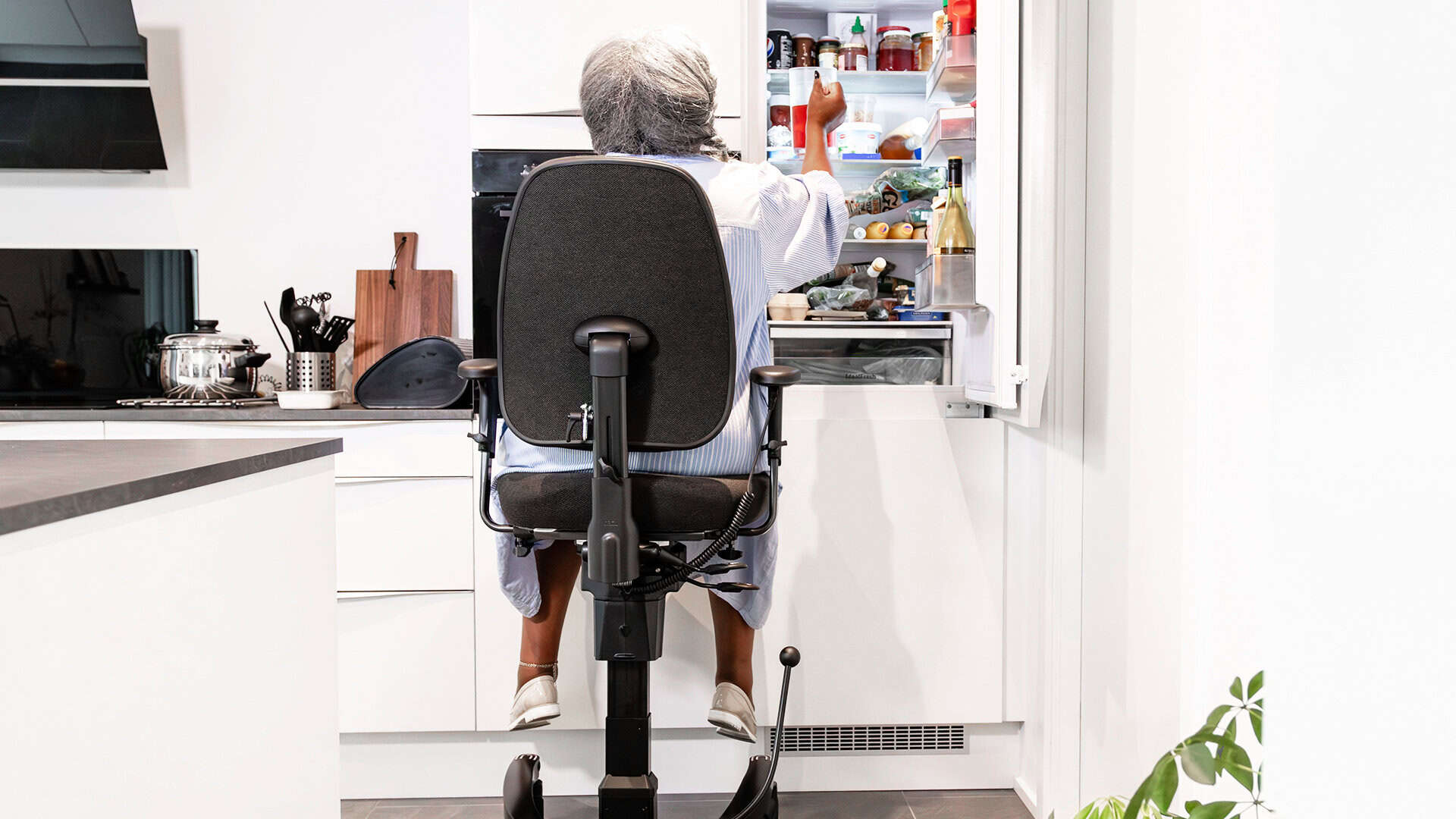
For many seniors, the ability to remain in their own homes is synonymous with maintaining independence and dignity. Solutions like the VELA Independence Chair are designed to prolong this freedom. The chair addresses key safety concerns with features like a central brake, making it stable and secure during everyday tasks. Its electric height adjustability allows for safe transfers and reaching items, reducing strain and conserving energy. The ease of movement while seated supports activities like cooking and housekeeping, making daily life more manageable. While VELA may not be the only solution, it represents a proven, practical option to help seniors live independently longer, delaying or even eliminating the need for nursing home care. Such resources for supporting independence for seniors at home underline the importance of dignity, safety, and maintaining personal agency in their later years.
Sources:
- Disability Law Center: Overview of residents’ protections against involuntary nursing home discharge under the Nursing Home Reform Law of 1987
- ThinkBeyondTheChair.org: 2025 Assistive Tech Innovations including AI-powered smart glasses and brain-controlled prosthetics
- Medicaid Planning Assistance: Procedures and rights related to nursing home discharge notices and appeals (2025 update)
- PubMed Central (PMC): Survey of recent trends in assistive technology integration for mobility, including robotics and interfaces
- Nursing Home Abuse Center: Legal conditions for nursing home evictions and resident rights in 2025 context
- Equal Accessibility LLC: Latest assistive technology trends focusing on AI, adaptive devices, and wearable robotics
- Hall Render Law Blog: CMS 2025 update on nursing home surveyor guidance for transfers and discharges