

Updated September 2025: We have updated the article to reflect new developments in assistive technology, including AI-powered visual aids, advanced mobility devices, and recent improvements in long-term care standards. The article now highlights how innovative solutions support independence and delay or reduce the need for nursing home placement, in line with updated legal protections and resident rights.
Can Social Services Force Someone Into a Nursing Home?
When families face the daunting decision of nursing home placement for a loved one, they often wonder, “Can social services force someone into a nursing home?” This question touches on complex legal and ethical considerations, and understanding these nuances is critical. Involuntary placement in a nursing home involves a strict legal framework. According to Medicare.gov, hospitals must ensure a “safe discharge,” which obligates them to arrange for safe home conditions for individuals who are not able to return independently. Furthermore, AgingCare.com emphasizes the necessity of legal guardianship before involuntary placement in a care facility can be legally enforced.
Legal Restrictions and Social Services’ Role
Social services cannot unilaterally mandate nursing home placement against an individual’s will. According to Care Indeed, legal restrictions are in place to prevent forcing an unwilling person into a care facility. Adult Protective Services (APS) may become involved if an elder is deemed unable to care for themselves and poses a risk to their health and safety. However, even recommendations from APS require court intervention to enforce placement, as highlighted by Legacy Assurance Plan.
Real-life examples illustrate the complexity of these situations. Families often collaborate with social services to explore voluntary alternatives before seeking legal action. For instance, a family may attempt in-home care solutions or secure voluntary community support to delay or avoid institutional care. This demonstrates the importance of respecting an individual’s autonomy while ensuring their safety. Recent updates to the NASW Standards for Social Work Services in Long-Term Care Facilities emphasize the critical role of personalized, multidisciplinary planning and thorough assessment of each individual’s needs, including consideration of technological aids and home-based alternatives before recommending nursing home admission.
Legal Pathways: Guardianship, Conservatorship, and Power of Attorney
Understanding legal instruments is pivotal when considering nursing home placements. Guardianship involves a court process where an individual is appointed to make decisions for someone deemed incapacitated. This process is rigorous and requires evidence that the individual cannot make informed decisions about their care. In contrast, conservatorship focuses on managing the individual’s financial affairs. According to AgingCare.com, these legal pathways can grant decision-making authority regarding nursing home placement.
Power of Attorney (POA) differs as it allows designated individuals to make health and financial decisions on behalf of someone else but does not inherently include the authority to mandate nursing home placement. The responsibility of families navigating these legal channels often includes sharing personal testimonials about the challenges and emotional decisions involved, which underscores the importance of clear communication and advanced planning.
Understanding Patient Rights and Safeguards
When facing potential nursing home placement, patients have specific rights that protect their autonomy. They are entitled to participate in decisions about their care and possess the right to appeal placement decisions. Competency assessments are crucial in determining an individual’s capability to make informed decisions. According to CMS.gov, these rights are well-documented, emphasizing the obligations of hospitals under “safe discharge” protocols to ensure patients are not placed in unsafe conditions post-discharge. Federal guidelines continue to reaffirm resident rights, with the Nursing Home Reform Law further clarifying that residents have legal entitlement to dignity, self-determination, and participation in care planning decisions. Federal surveys and compliance audits monitor adherence to these standards, supporting residents’ autonomy and the maintenance of the highest practicable physical, mental, and psychosocial well-being.
Case studies vividly demonstrate the application of patient rights. For example, one notable case involved a patient successfully appealing a discharge plan to a nursing home by providing evidence of adequate home care support, aligning with their rights to choose their care setting. This serves as a reminder of the importance of patient advocacy and informed decision-making.
Exploring Alternatives to Nursing Home Placement
For families seeking to maintain independence for their loved ones outside of institutional settings, several alternatives exist. Home care and community services offer viable solutions for supporting independence while providing necessary care. Additionally, assistive devices and technologies can significantly enhance home safety and accessibility. Recent technological innovations, such as AI-powered smart glasses for visual assistance, brain-computer interface (BCI) prosthetics for intuitive mobility, and advanced powered wheelchairs with integrated controls, support individuals in retaining autonomy and performing daily activities. These solutions, which include affordable and IoT-connected devices for caregivers and users, expand the range of home-based care options and may reduce or delay the need for nursing home admission.
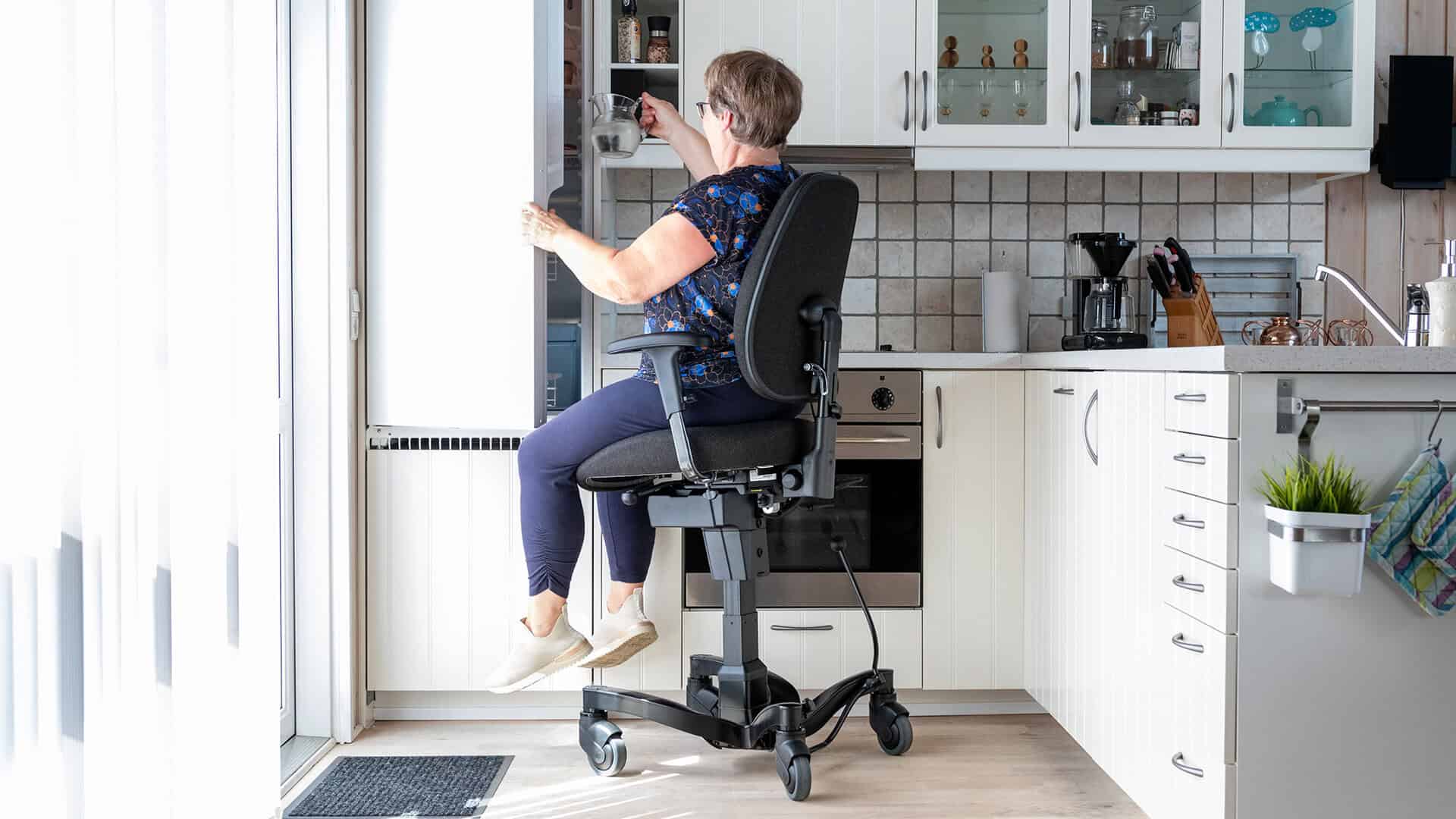
Recognizing the challenges associated with nursing home placement, many families explore solutions that allow older adults to remain independent in their homes. Mobility solutions like VELA chairs provide an essential bridge, offering a practical and supportive choice for those desiring to age in place. VELA is a medically approved mobility chair designed for use at home, providing enhanced safety and ease of movement while seated. It offers vital support for daily activities like cooking, dressing, or transferring, and it eases the burden on informal caregivers by enabling seniors to perform tasks more independently. By integrating such technologies, families can delay or potentially avoid the need for nursing home placement altogether. Other innovative mobility aids, such as robotic exoskeletons and adaptive input devices, further enhance daily living by supporting movement and communication for those with limited dexterity or mobility (Innovations In Assistive Technology, Recent Trends in Assistive Technology for Mobility).
How Mobility Solutions Like VELA Make a Difference
The use of chairs designed for elderly independence such as VELA can dramatically influence the ability of seniors to maintain their independence at home. These chairs address crucial aspects like safety, energy conservation, and ease of transferring within the home. With features like a central brake for added safety, effortless electric height adjustability, and the ability to move smoothly while seated, these chairs can delay the need for nursing home care by making daily tasks manageable. Life with a VELA Chair means securing dignity and freedom, enhancing the ability to participate actively in cooking, cleaning, or simply relaxing, all while conserving energy. Such solutions offer an effective and compassionate alternative, supporting seniors in maintaining a fulfilling at-home lifestyle. While VELA is not the sole solution, it remains a proven and practical option, as highlighted in assisted living aids for seniors, reinforcing the potential to stay safely at home longer. Ongoing advances in AI-driven assistive technologies, mobility aids, and adaptive input systems continue to broaden possibilities for independence while aligning with evolving legal standards protecting resident rights and autonomy (Disabled and Elderly Assistive Device Market Report).
- NASW Standards for Social Work Services in Long-Term Care Facilities
- The Best Assistive Tech Gadgets in 2025: Enhancing Independence Through Innovation
- Residents’ Rights Guaranteed by the 1987 Nursing Home Reform Law
- Recent Trends in Assistive Technology for Mobility
- Medicare and Medicaid Nursing Home Certification and Compliance Info
- Innovations In Assistive Technology
- 25 Common Nursing Home Problems and Federal Quality Requirements
- Disabled and Elderly Assistive Device Market 2025-2030 Report