

Updated September 2025: We have updated the article to reflect new trends in AI-powered assistive technology, smart wheelchairs, remote health monitoring, and telehealth as they impact nursing homes like Capital Oaks. The latest CMS regulations affecting nursing home quality ratings and care standards are also included, along with emerging best practices in rehabilitation, fall prevention, and ergonomic assistive device design.
Overview of Capital Oaks Nursing & Rehabilitation Center
Situated in the heart of Baton Rouge, Louisiana, Capital Oaks Nursing & Rehabilitation Center is a significant contender in the region’s senior care sector. As a Medicare-certified, for-profit entity within the Central Management Company network, Capital Oaks has built a reputable standing. According to Elder Guide, the facility holds an overall B- rating with an occupancy rate of approximately 87.15%. The center’s nurse staffing level, noted at 2.90 hours per resident per day, signifies its dedication to providing personalized and attentive care.
Owned by Kisatchie Health, LLC (80%) and Prico, Inc (20%), Capital Oaks operates with a mission to deliver compassionate, quality nursing and rehabilitation services. The facility emphasizes a holistic approach to resident well-being, addressing both emotional and physical needs. More details on facility management can be accessed through the Louisiana Department of Health.
Quality of Care and Services
Capital Oaks exhibits a strong devotion to quality care, as evidenced by an A grade in long-term care quality from Elder Guide. The facility operates 123 certified beds, with a daily average occupancy of 112 residents, according to ProPublica. Although staffing levels at Capital Oaks are below state averages, the nurse turnover rate is significantly lower, which contributes to stable and consistent caregiving.
Comprehensive Medicare ratings provide an insightful view into the facility’s performance across quality measures, such as health inspections and staffing, ensuring that care meets both federal and state standards (Medicare.gov).
As of 2025, updates from the Centers for Medicare & Medicaid Services (CMS) have changed how quality is measured and reported in nursing home settings. Health inspection ratings now use only the two most recent standard surveys, with increased focus on monitoring the use of psychotropic medications, staffing adequacy, and the responsibilities of medical directors regarding resident care. These changes are designed to improve transparency and accountability in facilities like Capital Oaks, directly impacting how quality is evaluated and reported to families and regulators (Health Industry Washington Watch; Consumer Voice; American Health Care Association).
Comprehensive Care Programs at Capital Oaks
The center prides itself on a diverse array of care programs tailored to accommodate various resident needs. Rehabilitation services are pivotal, covering physical, occupational, and speech therapy. Capital Oaks also offers specialized therapies for stroke recovery, amputee rehabilitation, and memory care, which is especially vital as cognitive health becomes increasingly significant with age.
Nutrition is integral to recovery and overall well-being, prompting the center to provide nutritional counseling as part of its holistic care method. Modern therapeutic practices, such as orthopedic and aquatic therapy, are also available to enhance recovery outcomes (Elder Guide).
Rehabilitation and care programs are increasingly shaped by adaptive and inclusive product design, user-centered technology, and the use of predictive analytics to reduce fall risks. AI-based monitoring tools now help anticipate resident health risks, including the likelihood of falls, allowing for proactive preventive measures and individualized interventions. Smart wheelchairs and assistive devices with app or voice control provide new levels of flexibility and personalization in resident rehabilitation, while inclusive design ensures safety and usability for all residents (ButterflyMX Blog; Everything Medical Online).
Resident Life and Amenities
Capital Oaks fosters a supportive and engaging environment, promoting social connections among residents. Dining services are personalized to meet various preferences and nutritional needs, enhancing residents’ health and satisfaction. The facility actively promotes participation in social and recreational activities, which are crucial for maintaining a high quality of life.
Admissions at Capital Oaks are straightforward, with acceptance of Medicare and Medicaid, reducing the financial burden on families (Louisiana Department of Health). Understanding insurance options and preparing for the transition process ensures a smooth adjustment for new residents and their families.
Alongside traditional amenities, emerging technologies are enhancing safety, independence, and quality of life. Remote health monitoring devices, smart home integrations with voice-activated assistants, and telehealth platforms are now part of routine care, enabling better communication, reduced need for off-site visits, and continuous monitoring of vitals and well-being. User trends show growing acceptance and satisfaction with these technologies, as they allow residents to maintain more autonomy, safety, and connection with families (SynchronyFL; Harbor Regional Center Blog).
Enhancing Independence with Mobility Solutions
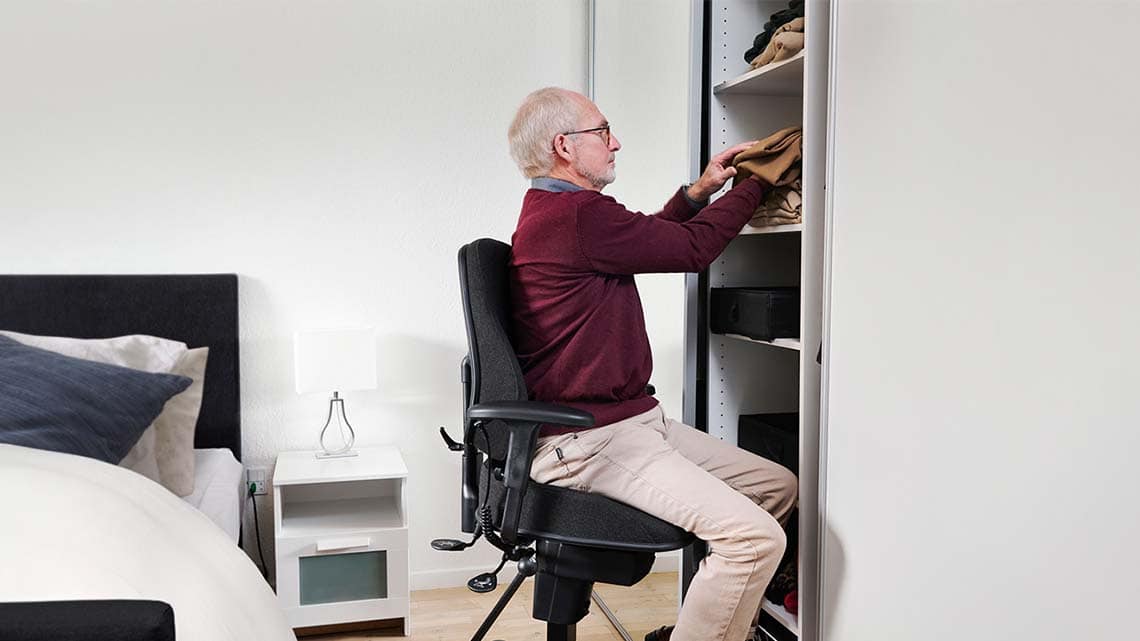
While Capital Oaks provides comprehensive care programs, the challenges of nursing homes often revolve around ensuring residents’ mobility and independence. For older adults aiming to maintain more autonomy within their homes, solutions like VELA chairs offer innovative support. Designed as a medically approved mobility chair, VELA not only enhances safety but also provides freedom of movement while seated, facilitating daily activities such as cooking, dressing, or transferring. This approach not only promotes the dignity and independence of seniors but also alleviates the load on informal caregivers. Enhancing Mobility Solutions.
Current trends in mobility solutions include smart wheelchairs equipped with GPS, collision avoidance, built-in health monitoring, and remote customization capabilities. These technologies significantly increase mobility, safety, and autonomy for individuals with limited movement. Integration with telehealth and app-based controls offers seamless communication between caregivers, healthcare professionals, and residents using these mobility aids, further supporting independence (Everything Medical Online).
Admission Process and Financial Considerations
Navigating the admission process can be challenging, but understanding key financial aspects alleviates much of the stress. Capital Oaks’ acceptance of Medicare and Medicaid ensures financial flexibility for many families. Additional insurance options provide further support for those planning long-term stays.
Before making a decision, it’s crucial to examine all care options, balancing both facility-based services and home-based alternatives. Ultimately, selecting the right care option, informed by individual needs and preferences, is essential for ensuring the well-being of loved ones.
Recent CMS guidance recommends close scrutiny of psychotropic medication use and careful assessment of staffing adequacy as indicators of quality care during the admission and ongoing review process. Facilities are required to have greater oversight and transparency in these areas, which benefits current and prospective residents alike (Consumer Voice; PaltMed).
Supporting Aging in Place: A Practical Option
In a world where preserving independence is paramount for seniors, mobility solutions like VELA chairs have emerged as an essential tool. These chairs support aging in place by offering features designed to tackle common issues like safety, energy conservation, and ease of transfers. With a central brake that ensures stability and electric height adjustability for comfortable positioning, these chairs are a practical option for maintaining independence longer at home. Ease of movement while seated further aids in everyday tasks like cooking and cleaning, reducing the potential need for a nursing home. While VELA is not the only solution, its track record of promoting dignity and safety makes it a proven choice for many families seeking to lighten the caregiver burden and prolong independent living. Mobility for Seniors.
The latest movement in assistive device and home modification technology now incorporates AI-based monitoring, customizable environments through voice or app control, and data-driven fall prevention strategies. These advances support aging in place by allowing tailored adaptations in the living environment, increasing safety, convenience, and quality of life for seniors and their caregivers (ButterflyMX Blog; Harbor Regional Center Blog).