

Updated September 2025: We have updated the article with the latest advancements in AI-powered assistive technology, smart home integration in senior care, expanded telemedicine services, and new federal and Missouri state regulations affecting nursing homes and Medicaid eligibility.
Enhancing the Nursing Home Landscape in Carthage, Missouri: Experience and Expertise
Carthage, Missouri—a small community nestled in the heart of America’s Midwest—faces an increasing demand for quality senior care. With approximately 26.2% of its population over the age of 50, as reported by Census Reporter, nursing homes and assisted living facilities have become an integral part of the community’s infrastructure. As families strive to find the best care for their loved ones, it is important to navigate the nursing home landscape with insight and knowledge.
Overview of Senior Care Facilities in Carthage, Missouri
The growing need for senior care in Carthage is driven by a diverse aging population, making it vital to understand available options. Nursing homes in the area cater particularly to individuals requiring continuous medical attention, while facilities offering assisted living and memory care meet a broader range of needs. According to SeniorLiving.org, such services are crucial in providing comprehensive care solutions, from daily assistance to specialized support.
Top-Rated Nursing Homes and Services in Carthage
Among the many options, Carthage Health and Rehabilitation Center stands out. It has gained recognition for its exceptional services and high Medicare rating, as detailed on Medicare.gov. This facility offers skilled nursing, rehabilitation, and memory care services, supported by a 24/7 nursing staff, ensuring personalized and attentive care tailored to each resident’s needs.
In addition, Oak Pointe of Carthage and Maple Tree Terrace are notable choices offering unique blends of care services and amenities. These facilities focus on creating a nurturing environment with options like physical, occupational, and speech therapy, along with engaging daily activities as highlighted by SeniorLiving.org.
Financial Considerations and Amenities
The costs of senior care in Carthage can vary greatly. Expenses for assisted living facilities typically range from $3,477 to $3,531 per month, which aligns closely with the state’s averages that can escalate to over $7,000, according to SeniorLiving.org. Understanding these costs is crucial for families planning long-term care for their elderly loved ones.
The most recent changes as of July 2025 have adjusted Medicaid asset limits in Missouri, affecting financial eligibility for long-term care programs and shaping access to care planning and counseling. Families who may need Medicaid support for nursing home care should be aware of the updated asset thresholds and documentation standards now in effect. (Missouri Department of Health & Senior Services, 2025)
Beyond financial concerns, prospective residents and their families should evaluate amenities like private rooms, diverse recreational activities, and dining options alongside financial plans and available assistance programs to make well-informed choices.
Faced with the challenges of finding suitable nursing home options, some families seek alternative solutions that allow older adults to remain independent in their homes longer. Current advances offer a range of options, including smart, AI-powered mobility aids and integrated home-based care technologies. Smart wheelchairs now feature GPS navigation, collision avoidance, health monitoring, and app or voice-based customization, enhancing safety and user independence for seniors with mobility needs (EverythingMedicalOnline.com, 2025). Likewise, home-based care leverages smart assistants, automated lighting and medication systems, and fall-detection tools, supporting aging in place with increased safety and accessibility (SynchronyFL, 2025).
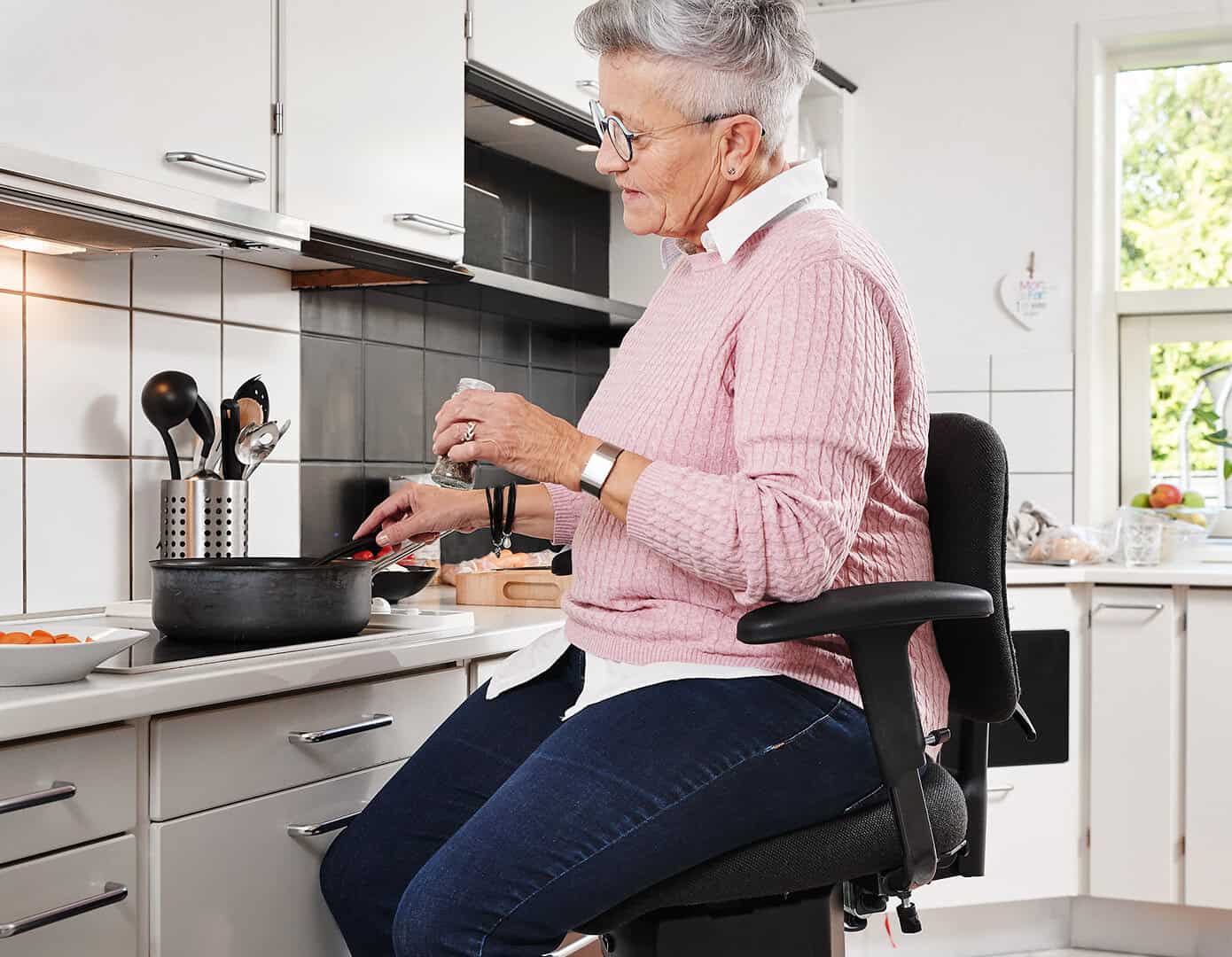
One practical solution is the VELA Independence Chair, a medically approved mobility chair designed for home use. The chair provides enhanced safety, promotes freedom of movement while seated, and supports daily activities such as cooking, dressing, or transferring—all crucial elements in reducing the load on informal caregivers. Modern adaptive devices, including the latest VELA chairs, increasingly integrate intelligent systems to learn user routines and aid rehabilitation (UnitedHealthcare Community & State, 2025).
Frequently Asked Questions about Nursing Homes in Carthage
- What are the best nursing homes in Carthage?
The Carthage Health and Rehabilitation Center is distinguished due to its comprehensive service offerings and strong Medicare rating. Oak Pointe of Carthage and Maple Tree Terrace are also popular choices for their quality care and diverse amenities. - How are safety inspections rated for local facilities?
Inspection ratings, crucial for assessing safety standards, can be found on platforms such as ProPublica, aiding families in selecting facilities with trustworthy track records. Recent federal regulatory changes (effective March 2025) have strengthened oversight, particularly focusing on staffing compliance, limitations on psychotropic medication use, improvements in monitoring, and enhanced protections of resident rights (CMS, 2025). - What services and amenities are typically offered?
Facilities in Carthage provide standard services including rehabilitation, memory care, and engaging daily activities. Amenities might comprise chef-inspired meals, Wi-Fi connectivity, and religious services. New trends include integrated smart technology for health monitoring and safety, remote telemedicine access, and AI-enabled devices to support daily living (Heisinger Bluffs, 2025).
Navigating nursing home options in Carthage involves a delicate balance between the need for quality care and the desire for independence. Whether one opts for a premier nursing home or leverages innovative tools like VELA chairs to maintain autonomy, aligning choices with individual needs and preferences remains key.
Staying Independent at Home with Support
Exploring alternatives that allow seniors to stay independent in their homes, innovative solutions like the VELA Independence Chair stand out. Designed specifically for elderly users, VELA chairs offer features aimed at enhancing comfort and safety. The central brake provides stability, reducing risks associated with falls—an often-cited concern in elder care. Fall Prevention Strategies for Nursing Homes illustrate how such safety measures benefit seniors.
Recent trends show that these types of adaptive chairs, and many other smart home devices, are being increasingly integrated with home-based care systems. These systems often feature AI-powered monitoring, automated lighting, medication dispensers, and fall detection, supporting elderly residents’ safety and environmental accessibility. The movement toward technology-enabled, person-centered care addresses care challenges and supports seniors’ ability to age in place (SynchronyFL, 2025; UnitedHealthcare Community & State, 2025).
The chair’s electric height adjustability facilitates easy transfers from sitting to standing, conserving strength while reducing caregiver strain. Additionally, the freedom of movement while seated allows older adults to engage in daily activities, from preparing meals to leisure activities. By supporting independence, Supporting Independence for Seniors ensures users can enjoy a dignified and liberated lifestyle, potentially delaying the shift toward nursing home care.
Regulatory Developments in 2025
In 2025, the Centers for Medicare & Medicaid Services (CMS) instituted significant changes to nursing home regulatory requirements. Notable updates include stricter oversight on staffing, prohibitions on contract language requiring third-party payment guarantees, new limitations on psychotropic medication prescribing, and increased emphasis on health equity in quality assurance. Compliance monitoring is further enhanced via Payroll Based Journal reporting to ensure appropriate staffing levels and skills. (CMS, 2025)
Missouri’s state regulations have also advanced, establishing explicit physician oversight requirements, increasing staffing supervision standards, and setting new minimum ages for staff in care settings. These changes reflect the ongoing commitment to resident safety and care quality within Carthage and throughout Missouri. (Missouri Code of State Regulations, 2025)
Expert and User Perspectives
The shift toward technology-enabled, integrated care models is widely supported by both experts and users as a way to address the increasing demand for senior care and the shortage of caregivers. Smart devices, telemedicine, and home automation systems are enabling a safer, more independent lifestyle for seniors, reducing the necessity for constant in-person supervision and promoting personalized monitoring and timely access to healthcare services. (Heisinger Bluffs, 2025; SynchronyFL, 2025; UnitedHealthcare Community & State, 2025)
References
- SynchronyFL. The Future of Home Health Care: Trends to Watch in 2025
- Centers for Medicare & Medicaid Services (CMS) Surveyor Guidance Updates. Major CMS Revisions to Nursing Home Surveyor Guidance, 2025
- Heisinger Bluffs. The Future of Senior Living: Trends to Watch in 2025
- Missouri Code of State Regulations (19 CSR 30-86). Nursing Home Staffing, Physician Oversight, and Resident Care Standards
- EverythingMedicalOnline.com. The Latest Trends in Mobility Aid Technology for 2025
- Missouri Department of Health & Senior Services. Missouri Long-Term Care Medicaid: What’s New as of July 1, 2025
- UnitedHealthcare Community & State. How Enabling Technology is Transforming Home-Based Care