

Updated September 2025: We have updated the article to include the latest advancements in AI-powered assistive devices, smart home and monitoring technologies, the integration of telemedicine and remote health monitoring, and regulatory trends shaping nursing home care. The importance of adaptive, ergonomic equipment and ethical considerations for AI use in care settings have also been incorporated for greater clarity and accuracy.
Enhanced Overview of Center Point Nursing Home
Navigating the search for a suitable nursing home involves understanding the intricate details of specific facilities. Today, we delve into the well-regarded “Center Point Nursing Home,” situated in Baton Rouge, Louisiana. According to ProPublica, Center Point maintains an occupancy rate of 82% and has faced penalties totaling $185,000. These figures shed light on the demand for beds and highlight areas in need of compliance improvements. As we journey further, we’ll explore the comprehensive services offered, alongside the performance metrics that aid in evaluating this establishment.
An Inside Look at Center Point Healthcare and Rehabilitation
Located on Summa Avenue, this facility’s mission is centered around delivering comprehensive, resident-focused care. The nursing home is owned by 8225 Br Snf, LLC, operating under a for-profit model in senior healthcare (Center Point Official Website). Overseeing operations are experienced professionals like Justin Lindsey and Patrick Mitchell, ensuring high standards. First-hand accounts from residents frequently commend the staff’s dedication, emphasizing the familial bonds formed within this close-knit community.
Comprehensive Care and Services at Center Point
Center Point offers a wide-ranging array of services tailored to accommodate various healthcare needs. As detailed by the Louisiana Department of Health, the facility provides skilled nursing and innovative rehabilitation programs aimed at both physical and cognitive recovery. Memory care services assist individuals with dementia, while a plethora of recreational activities foster social interaction and engagement. A typical day includes group exercises, art workshops, and memory-enhancement games, exemplifying a holistic approach to senior care. Residents might share a morning coffee club or engage in a book reading session, reflecting the vibrant community life.
Recent advancements in assistive technology are shaping the delivery of care at facilities like Center Point. AI-powered mobility aids, such as smart wheelchairs and exoskeletons, along with wearable monitors, provide personalized and adaptive support, enhancing both mobility and safety for residents. The integration of smart home and IoT devices—including voice-activated assistants, automated lighting, and fall detection systems—has become increasingly common, further supporting independence and reducing risks for individuals with limited mobility ([1], [3], [4]).
Telemedicine and remote health monitoring are now key components of senior care models, allowing continuous vital sign tracking, prompt medical intervention, and a reduction in hospitalizations. These technology-driven advances are contributing to more customized and responsive care for all residents ([2]).
Evaluating Quality: Ratings and Performance at Center Point
To gauge quality, the Medicare star rating system offers a valuable benchmark. As reported by Medicare.gov, Center Point’s ratings provide insights by comparing staffing levels and health inspections against state norms. Notably, the facility reports 3.51 nurse hours per resident per day, slightly below the state average of 3.8. This detail informs potential residents of how nursing resources are strategically deployed to enhance resident care. Furthermore, ProPublica highlights the facility’s historical penalties, offering transparency and underscoring areas for improvement. Regular audits and inspections fuel ongoing quality and compliance enhancements.
In addition to traditional performance measures, current regulatory trends highlight growing concerns about the ethical application of AI in health care. States are developing privacy, security, and anti-bias frameworks for AI deployment in nursing homes to ensure residents’ rights and well-being are protected. These efforts support ongoing enhancements in safety and transparency for families and caregivers ([5], [6]).
Exploring Alternatives: Beyond Traditional Nursing Home Care
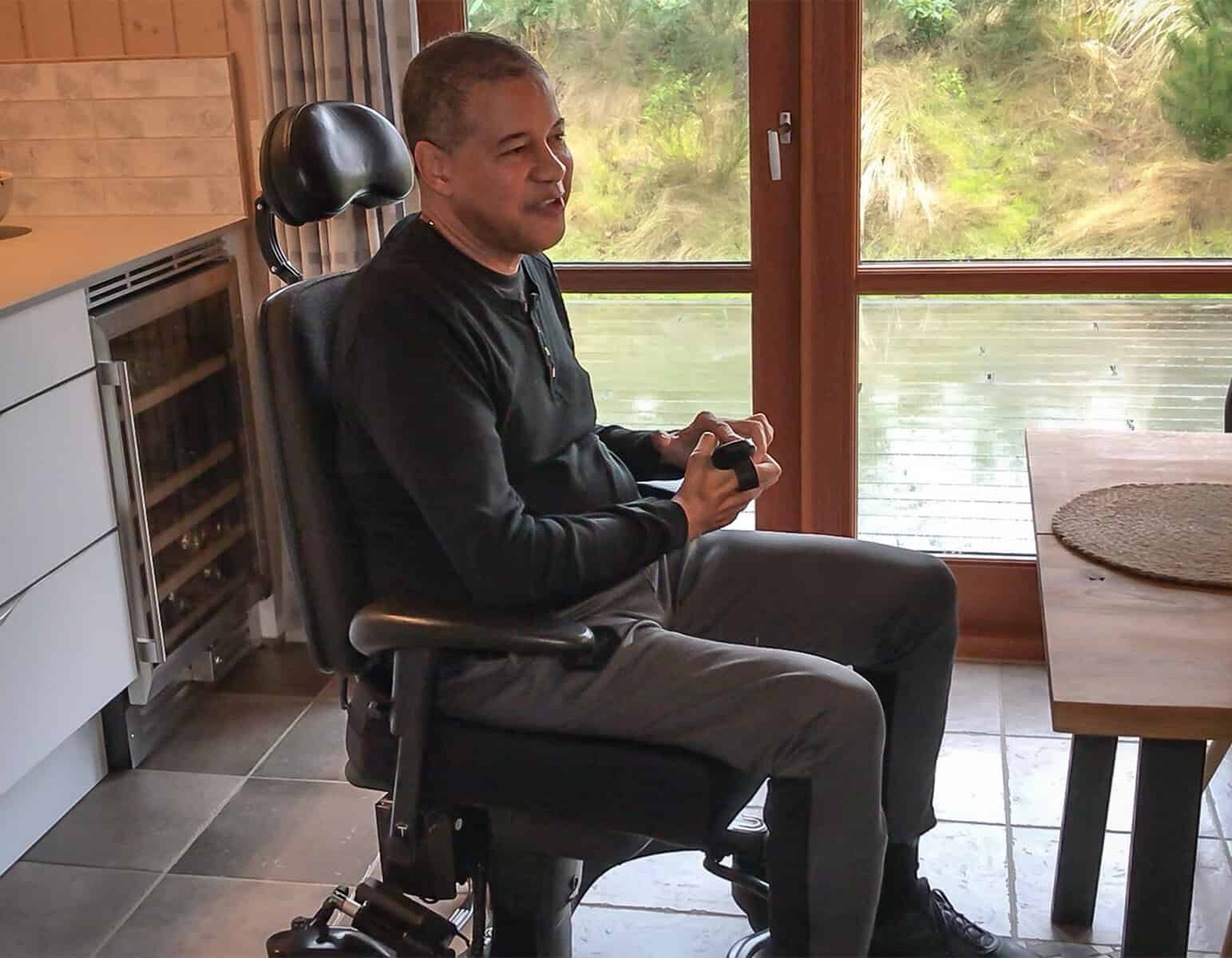
While Center Point Nursing Home offers robust care services, challenges such as the penalties mentioned earlier may prompt individuals to explore the possibility of aging in place. Many are now considering innovative solutions that can help older adults maintain independence in their own homes. One such solution is the VELA Independence Chair, a medically approved mobility chair designed to enhance safety, provide freedom of movement while seated, and support everyday activities like cooking, dressing, or transferring—all of which can significantly reduce the burden on informal caregivers (Mobility Solutions for Nursing Homes).
Technology-enabled care models, including remote monitoring and smart home solutions, are increasingly being adopted to support aging in place. These models combine advanced assistive devices—such as intuitive, adaptive equipment and rehabilitation technologies that adjust to users’ evolving needs—with virtual medical care and AI-driven monitoring. The collective impact enhances safety, comfort, and independence, and helps delay or even avoid the transition to institutional care ([7]).
Balancing Tradition with Innovation in Senior Care
Center Point Nursing Home exemplifies the complexities involved in selecting a senior care facility. While offering robust services, it faces challenges reflected in prior penalties, which potential residents and their families should thoughtfully consider. Marrying traditional care with innovative alternatives like VELA chairs could lead to more personalized senior living paths. By navigating these potential choices, informed decisions prioritize safety, health, and happiness, whether within traditional nursing settings or alternative care models.
The adoption of new technology continues to be a focus for providers looking to improve efficiency and the quality of care. Experts note that technology serves to complement, rather than replace, the essential human caregiving roles in nursing homes. A thoughtful blend of professional care, ergonomic assistive tools, and digital solutions results in more meaningful, person-centered care experiences ([5], [6]).
Ultimately, whether choosing a traditional nursing facility or opting for home-based solutions, these care decisions significantly impact seniors’ quality of life. Thorough knowledge of available options equips families to make well-rounded choices that emphasize safety, well-being, and joy for their loved ones.
Exploring Alternatives to Nursing Homes
VELA Independence Chairs offer a compelling option for those wishing to remain at home by enhancing mobility and security, key factors in preventing early admission to nursing facilities. Features such as a central brake for safety, electric height adjustability, and the ease of movement while seated make everyday activities like cooking, cleaning, and relaxing more manageable. The chair allows for the preservation of personal dignity, freedom, and energy, turning routine tasks into positive experiences. These advantages not only support the elder in daily engagements but can also postpone the need for nursing home care. While VELA is a reliable and practical solution, evaluating all available options is essential to find the best fit for individual needs and preferences.