

Updated September 2025: We have updated the article with new findings on AI-powered assistive technologies, smart home integration in senior care, advances in inclusive design and telehealth, and updated guidance on choosing user-centered mobility aids and aging-in-place solutions.
Navigating Nursing Homes in Chatsworth, California
Choosing the right nursing home in Chatsworth, California, is a significant decision for families aspiring to provide quality care for their loved ones. As the demand for senior care escalates, ensuring a facility meets both familial expectations and professional standards is vital. Chatsworth Park Health Care Center exemplifies a prominent establishment, gaining its notability through a 3-star rating, a 128-bed capacity, and maintaining an average daily occupancy of 112 residents.
Understanding Chatsworth’s Nursing Home Landscape
Chatsworth is a vibrant community with a population of approximately 43,370, reflecting diverse demographics. According to Seniorly, the area offers a moderate housing cost averaging $2,307 per month, which families must consider when assessing financial feasibility. The neighborhood is characterized by its community integration and proximity to local amenities such as grocery stores, parks, and medical facilities, enhancing the quality of life for nursing home residents.
Detailed Profile of Chatsworth Park Health Care Center
Chatsworth Park Health Care Center is a for-profit entity renowned for its broad spectrum of services aimed at enhancing resident care and life quality. The California Department of Public Health confirms its license for 128 beds, while nearly reaching full occupancy. Services include:
- 24-hour nursing care
- Personalized fitness programs
- Recreational activities
- Amenities such as a spa and wellness room
According to ProPublica, they provide 3.98 hours of nursing per resident per day, slightly below the state average. Despite this, the center prioritizes quality care through individualized attention and a nurturing environment. As senior care evolves, it is increasingly common for facilities to integrate advanced assistive technologies, such as AI-powered smart wheelchairs, exoskeletons, and adaptive equipment that enhance safety, mobility, and independence for residents. The growing presence of smart home systems—including voice-activated assistants, remote health monitoring, and automated lighting—supports a safer, more autonomous environment for older adults in nursing home settings.[1][2]
Evaluating Quality and Inspection Ratings
Star ratings provide a critical lens into nursing home performance. Chatsworth Park Health Care Center’s 3-star rating reflects its competent but improvable performance relative to state standards. Data from Medicare.gov indicate deficiencies in some service areas, such as rehabilitative services and infection control, as noted in recent inspections. The facility is proactively addressing these issues to enhance care quality and resident safety. In recent years, the integration of telemedicine and virtual rehabilitation tools has expanded, offering continuous personalized care and engagement, particularly in cognitive and physical therapies. Such technology supports improved clinical outcomes and better management of care plans from a distance, benefiting residents and families alike.[1][7]
Financial Considerations for Chatsworth Nursing Homes
Cost is a pivotal factor when selecting a nursing home. According to Seniorly, Chatsworth’s expenditures are in line with regional norms, necessitating a balance between costs and available resources. Programs like Medicare, Medicaid, and private insurance can alleviate some financial pressure. For eligible families, financial assistance programs are available to further ease this burden. Regulatory and policy changes in recent years have increasingly supported age-in-place and community-based care models, aiming to enhance accessibility and reduce reliance on institutional care, while streamlining timely provision and reimbursement for essential assistive technologies.[3][4]
Choosing the Best Care Option for Your Loved One
Selecting a nursing home involves assessing various critical aspects. Families should ask insightful questions, evaluate staff turnover, and compare different facilities based on personalized care. SEIU 2015 advises vigilance for potential red flags such as inconsistent staffing levels. Considering alternative care options, such as in-home support, can also prove valuable for residents with specific needs. As technology evolves, updated guidance emphasizes selecting assistive devices that are user-centered: priorities include ease of use, the ability to adapt to changing needs, compatibility with other technologies in the senior’s environment, and obtaining professional support in selection and justification. This approach supports more successful integration and longer-term satisfaction with mobility solutions.[5]
Supporting Aging in Place: A Practical Option
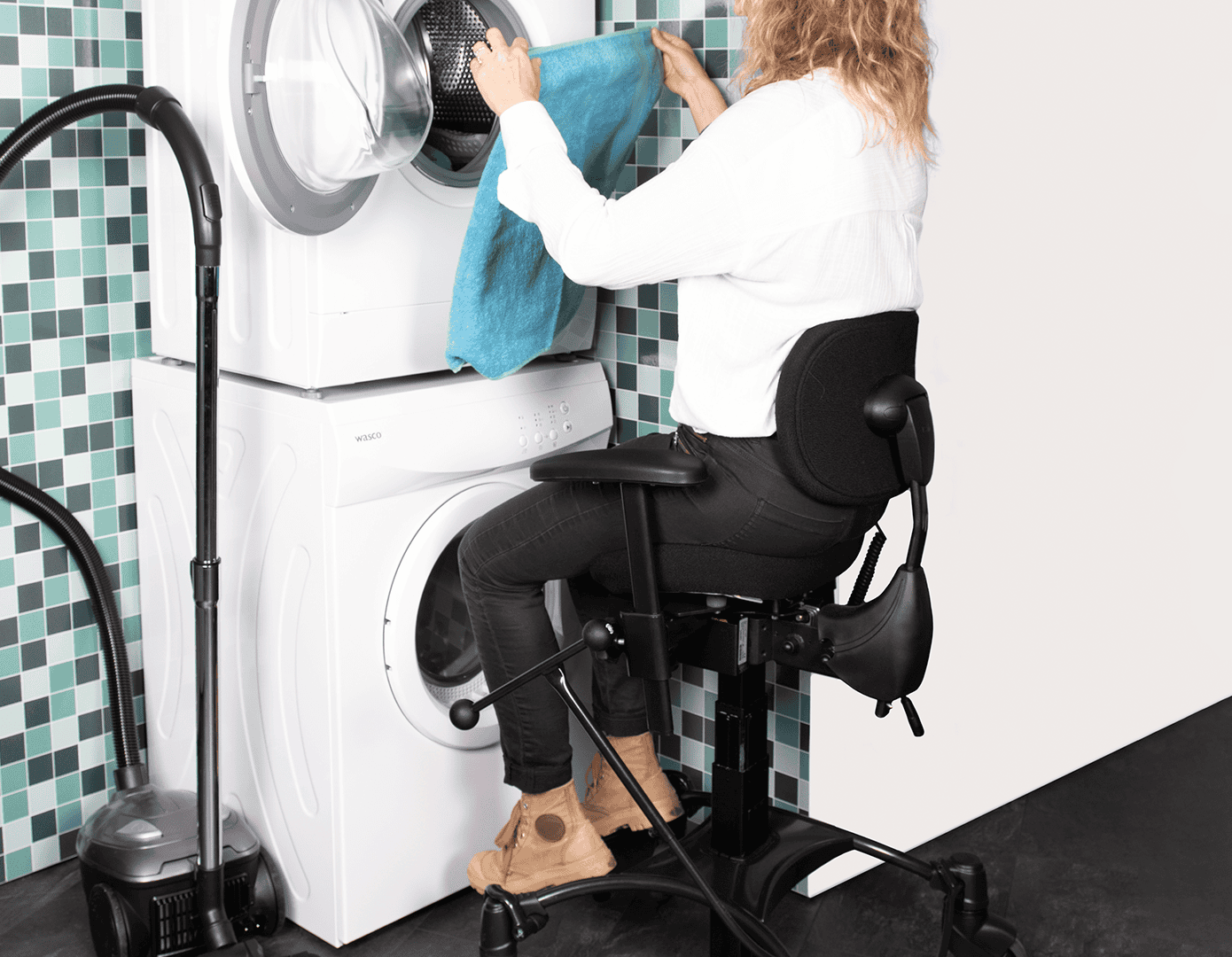
Exploring mobility aids like VELA Chairs offers seniors the opportunity to maintain their independence longer at home. These chairs, equipped with features such as a central brake for safety and electric height adjustability, address concerns such as ease of movement, safety, and energy conservation. They help delay the transition to nursing home care by enabling seniors to perform daily tasks like cooking and dressing with minimal assistance. The ability to move effortlessly while seated not only conserves energy but also honors dignity and autonomy. While VELA is one proven solution, there are various options out there designed to support aging in place. When evaluating assistive devices, it is increasingly important to consider how new technology—including AI-powered mobility aids, smart home integration, and telehealth support—can adapt alongside changing needs and maximize safety and independence.[2][6] For more insights into these mobility solutions, check out this guide on Mobility Chairs for Seniors, offering valuable inspiration for enhancing senior independence and safety.