

Updated September 2025: We have updated the article with new information on AI-powered and smart assistive devices, the integration of smart home technologies in senior care, advances in adaptive and personalized rehabilitation tools, the expanding role of telemedicine, and considerations around privacy and digital literacy for seniors.
Nursing Homes in Chipley, Florida: Exploring Options and Alternatives
When searching for “Chipley nursing home,” you might be looking for comprehensive information about senior care facilities in the charming town of Chipley, Florida. With a population of approximately 3,678 residents as of 2023, Chipley is a tight-knit community where the median age is 33, and the median household income is $34,311, according to Data USA. Chipley’s nursing homes strive to match these community-driven values by offering care that is both financially accessible and culturally sensitive, potentially differing from statewide trends.
Overview of Nursing Homes in Chipley, Florida
Chipley presents a modest yet accommodating selection of options for those seeking nursing home care. The costs are generally lower than the state averages, which are $8,669 per month for a semi-private room and $9,817 for a private room, as per Caring.com. This offers a cost-effective solution aligned with the economic conditions and community standards identified by Data USA, ensuring that seniors receive quality care without imposing financial strain.
Washington Rehabilitation and Nursing Center: Facility Profile
A central figure in Chipley’s senior care landscape, Washington Rehabilitation and Nursing Center, delivers comprehensive services to its residents. According to ProPublica Nursing Home Inspect, this for-profit facility, owned by Washington Holdco LLC and indirectly by Philipson Family LLC, houses 180 certified beds and typically has around 163 residents daily. Although it reports a nurse staffing ratio of 3.60 hours per resident per day—below the state average of 3.9—it offers a deeply personalized care experience despite its higher nurse turnover rate of 58.1% compared to the state’s 44.8%.
Feedback from residents and families, shared on Medicare.gov, suggests positive experiences often reflecting the tailored, community-centric approach that the facility embraces. This aligns with the growing importance of personalized care in nursing home settings.
Understanding Nursing Home Costs in Chipley and Florida
Making informed financial decisions is essential when planning for long-term care. Institutions like the Washington Rehabilitation and Nursing Center present annual costs around $19,749, significantly lower than what is found in larger Floridian cities such as Jacksonville and Tampa. SNFdata.com highlights that costs are considerably less compared to in-home care or alternative facilities, underscoring the necessity for discussions around budgeting and exploring financial aids like Medicare and Medicaid to mitigate expenses.
Alternatives to Full-Time Nursing Home Care in Chipley
Considering alternatives to full-time nursing home care has become increasingly relevant. Services like in-home care or assisted living offer seniors a way to maintain their independence while enjoying minimal lifestyle disruption. When challenges in nursing homes such as costs and limited personalized care become pressing, the focus often turns to solutions that support older adults in remaining independent at home for as long as possible.
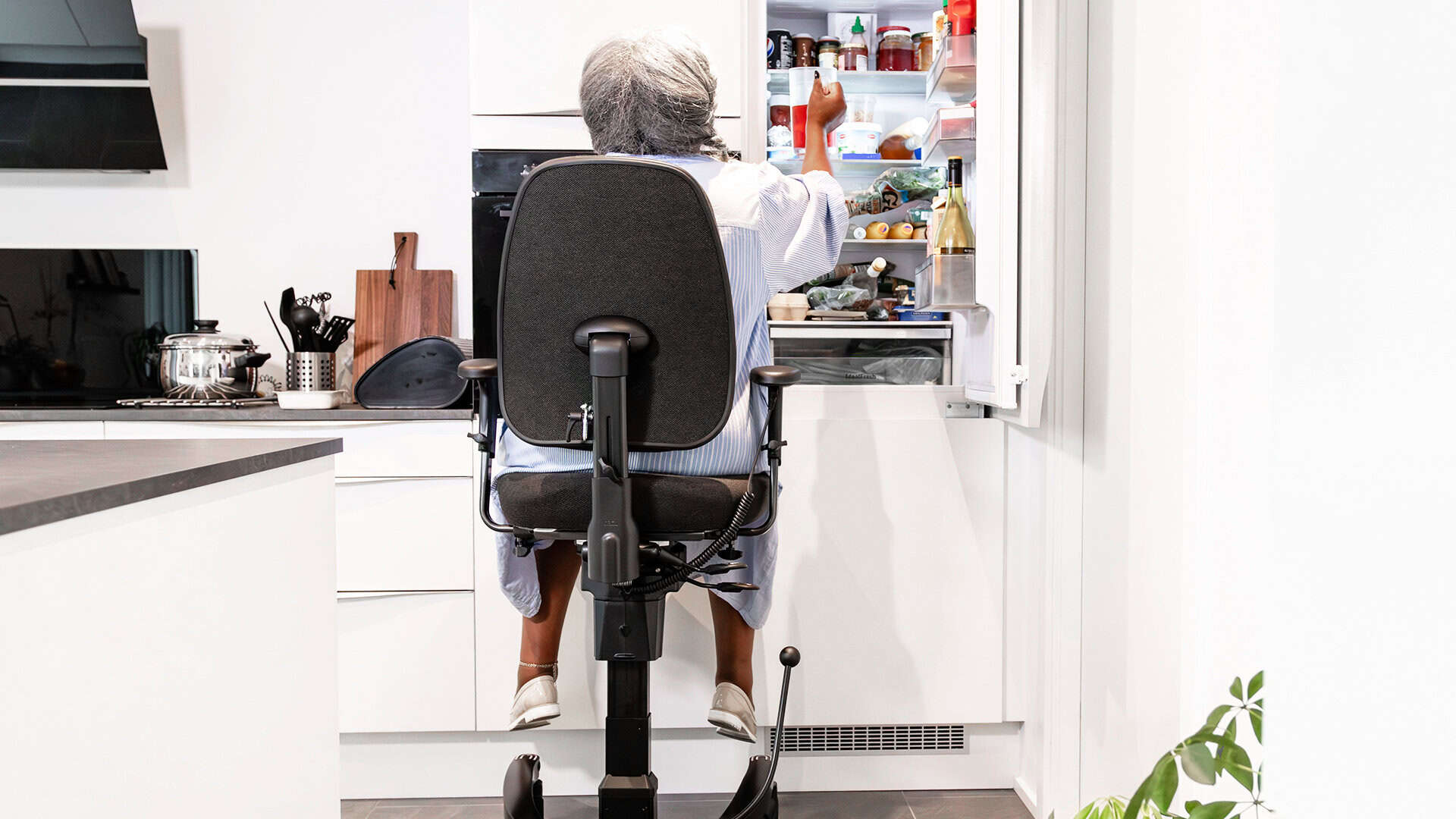
One such option is the VELA Independence Chair. This medically approved mobility chair is designed specifically for home use, offering enhanced safety, freedom of movement while seated, and support for daily activities such as cooking, dressing, or transferring. It also reduces the burden on informal caregivers, helping families care for their elderly loved ones with greater ease and efficiency. In Chipley, embracing these alternatives involves crafting a care experience tailored to individual needs. Successful implementations illustrate how integrative approaches can empower seniors, allowing them to exercise the dignity of choice.
Supporting Aging in Place: A Practical Option
Mobility solutions like the VELA Independence Chair are making a tangible difference for seniors who wish to age in place. This highly adaptable chair supports essential daily activities by providing features such as a central brake for safety, electric height adjustability, and easy movement while seated. These benefits can delay the need for a nursing home by addressing common challenges, such as reduced energy and mobility issues, enabling seniors to live independently longer.
Life with a VELA Chair is characterized by increased confidence and autonomy, whether it’s cooking, cleaning, or simply relaxing. Without such mobility aids, the risk of accidents and dependency on caregivers can increase, making daily life more challenging. While VELA is not the only solution, it is a proven and practical option among mobility aids for seniors that can help maintain safety and dignity in one’s home environment. These tools reflect the values of independence and innovation, crucial for enhancing life quality among the elderly.
Emerging Trends: Smart Technology and Personalized Care Solutions
The landscape of senior care and assistive devices is rapidly evolving, with a strong focus on AI-powered and smart technologies. Recent advancements include the introduction of smart wheelchairs equipped with GPS guidance, collision avoidance, real-time health monitoring, and remote customization features. These technologies foster safety and autonomy, allowing seniors and people with reduced mobility to move more freely and confidently. Everything Medical Online, 2025
In addition, smart home environments are increasingly prominent in senior living settings. Voice-activated assistants, automated lighting, smart locks, and integrated remote monitoring now support aging in place, helping reduce fall risk and empower independent living. These innovations also help address ongoing caregiver staffing shortages by providing tools that enhance safety and daily support for residents, both in nursing homes and home-based care. Heisinger Bluffs, 2025 UnitedHealthcare Community & State, 2025
Rehabilitation and ergonomic aids are shifting towards adaptive, AI-integrated solutions capable of learning and adjusting to user needs in real time. Innovations range from advanced prosthetics and exoskeletons to cognitive support devices and personalized seating systems. These technologies emphasize the importance of user-centered design and real-time adaptation, further bridging the gap between independence and safety. Tidewave, 2025 Cognitive Market Research, 2025
The expansion of telemedicine and virtual healthcare services has become a key component in modern care models, improving access to specialists and routine medical services for residents in both nursing homes and their own homes. Integrated digital platforms work alongside assistive devices to streamline care, coordinate rehabilitation programs, and offer new options for personalized support. NCBI PMC Journal, 2024
Despite these promising advancements, challenges persist regarding digital literacy among older adults, privacy considerations with AI and IoT devices, and regulatory issues impacting the adoption of newer technologies. Ongoing training and education for both caregivers and residents remain critical to ensure the benefits of these technologies are widely accessible and effectively implemented. GlobeNewswire, 2025
Conclusion
Chipley’s approach to senior care demonstrates a commitment to affordable and personalized support, with a growing embrace of innovative mobility aids and technology-driven solutions. As the industry shifts towards AI-powered assistive devices, smart home integration, and virtual healthcare, individuals and families are encouraged to evaluate emerging technologies and care models best suited to their needs. Ongoing advancements in this field reflect the aspiration for increased independence, safety, and quality of life for seniors in Chipley and beyond.