

Updated September 2025: We have updated the article to reflect major advances in smart assistive technologies for seniors, including AI-powered wheelchairs, wearable health trackers, and smart home systems. The article now highlights 2025 regulatory changes from CMS impacting nursing home quality ratings, staffing requirements, and care policies. Revisions also emphasize the industry’s growing focus on person-centered, technology-enabled care models that promote autonomy, dignity, and safety for Clarksville nursing home residents.
Exploring Nursing Homes in Clarksville, Tennessee
Navigating senior care options can be overwhelming, especially when seeking comprehensive and trustworthy information about facilities in specific locations such as Clarksville, Tennessee. When individuals search for “Clarksville nursing home,” they anticipate uncovering reliable, detailed insights into local senior care options. This guide aims to deliver that information, focusing on assisting families and seniors in making informed choices about nursing home facilities, their ratings, costs, and alternative care options.
Overview of Nursing Homes in Clarksville, Tennessee
Clarksville, Tennessee, houses five nursing home facilities, each offering unique characteristics. According to Centers for Medicare & Medicaid Services, these facilities report an average rating of 2.3 out of 5 stars. This rating now reflects the updated 2025 CMS methodology, which places emphasis on the two most recent health inspections and revised weightings for quality measures.[2][8] This indicates that while health inspections are generally satisfactory, there may be challenges regarding staffing quality. Elder Guide emphasizes that Clarksville’s nursing homes perform well in inspections but have room for improvement in nurse quality, which underscores why personal visits and assessments are crucial when evaluating these facilities for loved ones.
Top-Rated Nursing Facilities in the Clarksville Area
Within Clarksville, the Brigadier General Wendell H Gilbert TN State Veterans Home stands out, achieving an overall grade of ‘B.’ Located at 250 Arrowood Drive, this facility is appreciated for its acceptance of both Medicare and Medicaid. In contrast, Ahava Healthcare of Clarksville, located at 111 Ussery Road, despite its lower rating, offers essential services. Access reviews on platforms like Caring.com to understand residents’ diverse experiences, highlighting the importance of performing on-site evaluations to ensure an adequate fit.
Understanding Medicare and Medicaid Coverage for Clarksville Nursing Homes
The financial aspect is key when selecting a nursing home. As cited in Caring.com, the average monthly cost for a semiprivate room in Clarksville is $6,753, whereas a private room averages $7,604—both below the national average. Medicare and Medicaid can reduce some financial burdens; understanding coverage specifics is crucial. Exploring veterans benefits and long-term care insurance is advisable. Local resources such as the Area Agency on Aging can offer additional guidance regarding financial aid options specific to Clarksville.
Cost Comparison: Nursing Home Care vs. Alternative Senior Care Options
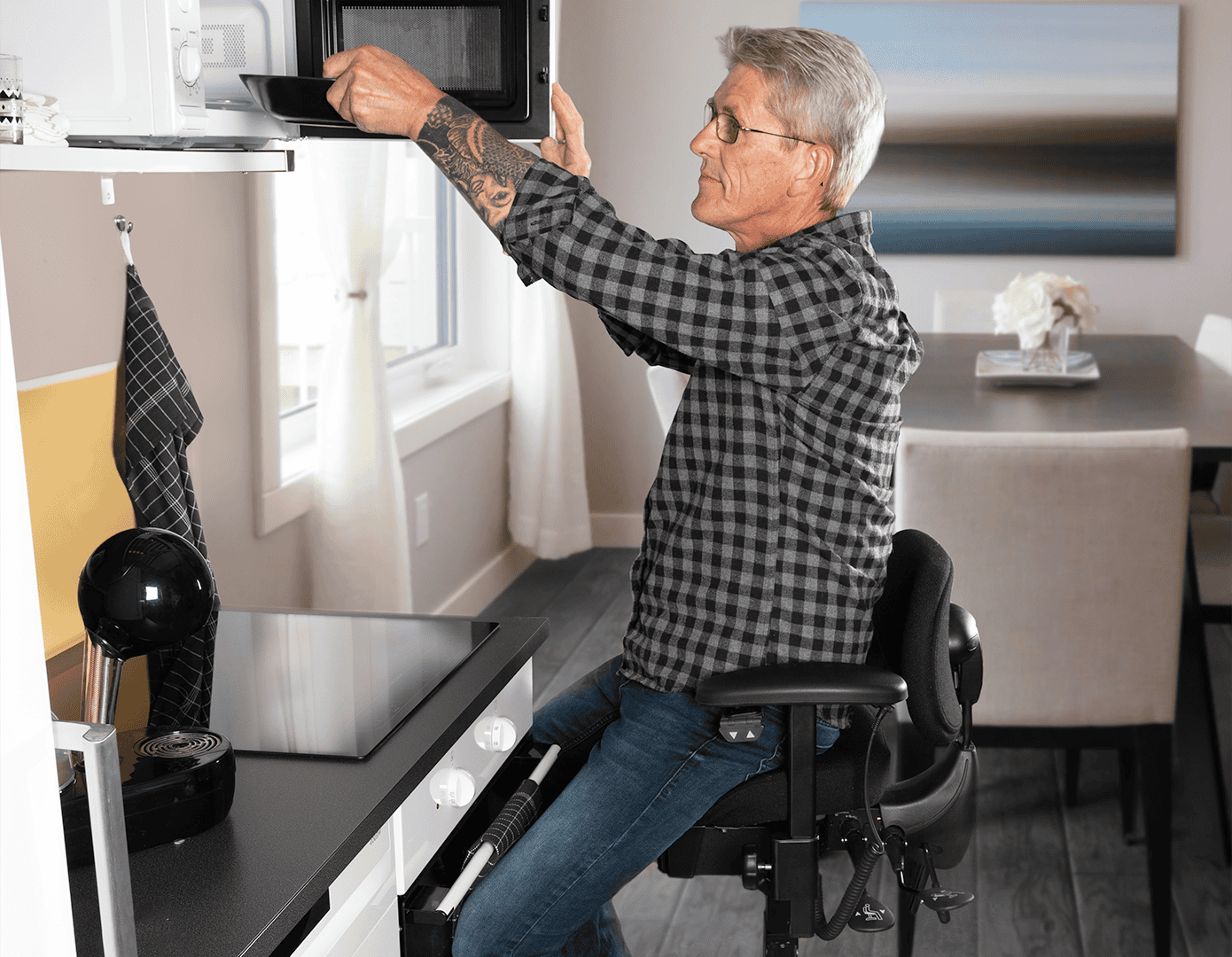
Traditional nursing homes are often chosen for their comprehensive care, but alternatives such as home care and assisted living should also be considered. Home care and assisted living offer less intensive but valuable support options, with average costs of $3,909 and $4,190 monthly respectively as highlighted by Elder Guide. As nursing homes might sometimes represent a shift that families are not ready for, exploring alternatives that support independence is essential. The VELA Independence Chair, a medically approved mobility chair, can provide significant support for seniors wishing to remain autonomous at home. It offers enhanced safety, freedom of movement while seated, and aids in daily activities like cooking, dressing, or transferring — lightening the load on informal caregivers.
Quality Metrics: How Clarksville Nursing Homes Perform on Inspections and Patient Care
The quality of nursing homes is directly tied to performance metrics in health inspections and patient care initiatives. The 2025 CMS updates bring new attention to staffing qualifications, appropriate medication use, and resident transfer policies, requiring nursing homes to adhere to higher standards and improved transparency.[2][4][6][8] According to Elder Guide, Clarksville’s facilities excel in inspections with an ‘A-‘ rating. However, potential residents should demand transparency about staffing levels and quality measures during their evaluation process, as these factors significantly impact resident welfare and satisfaction. Inquiries about the use of new assistive technologies and remote monitoring systems can also inform families about a facility’s commitment to quality and safety.[1][3][5][7]
Financial Planning for Long-term Care in Clarksville
Committing to nursing home care requires sound financial planning and a comprehensive understanding of available assistance. While Medicare and Medicaid are vital resources, veterans benefits and long-term care insurance are invaluable alternatives. Consultations with financial advisors specialized in elder care can provide tailored insights and strategies to ensure financial preparedness.
Innovation in Assistive Devices and Nursing Home Care: 2025 Highlights
Recent advances in 2025 are bringing transformative changes to senior care in Clarksville and beyond. AI-powered smart wheelchairs with GPS, collision avoidance, and health monitoring are increasingly accessible, providing improved mobility and safety for residents with physical limitations.[3] Wearable health trackers and integrated smart home technologies—including voice-activated assistants, automated lighting, and smart locks—are now incorporated into care environments, promoting independence, rapid response to health changes, and overall safety.[1][5] These innovations support both residents and caregivers, allowing for remote monitoring and virtual care that can reduce unnecessary hospital visits and enhance personalized rehabilitation practices.[7]
Industry leaders underscore the shift toward a person-centered care model, emphasizing autonomy, engagement, and dignity. This includes memory care environments designed to foster familiarity, minimize stress, and offer sensory stimulation alongside wellness-focused activities.[7] The latest ergonomic and rehabilitation technologies adapt to individual user patterns, making daily tasks more comfortable and improving quality of life.[3][7] When evaluating nursing home options, families and professionals alike should inquire about the use of these assistive technologies and the facility’s approach to personalized, tech-enabled care.
Sources
- Heisinger Bluffs, “The Future of Senior Living: Trends to Watch in 2025” (smart home tech, telemedicine) [1] heisingerbluffs.org
- Health Industry Washington Watch, “Recent Legislative and Regulatory Updates for Long-Term Care Facilities,” CMS memo QSO-25-NH, June 2025 (CMS rating changes) [2] healthindustrywashingtonwatch.com
- Everything Medical Online, “The Latest Trends in Mobility Aid Technology for 2025” (AI-powered mobility aids) [3] everythingmedicalonline.com
- Consumer Voice, “Summary of Revised CMS Guidance for Nursing Home Surveyors” (updated surveyor guidelines) January 2025 [4] theconsumervoice.org
- UnitedHealthcare Community & State, “How Enabling Technology is Transforming Home-Based Care” (smart home assistive tech) [5] uhccommunityandstate.com
- PaltMed, “CMS Announces Key Revisions to Nursing Home Surveyor Guidance 2025” (medical director roles, care policies) [6] paltmed.com
- Juniper Communities, “Senior Living Trends in 2025” (personalized and memory care trends) [7] junipercommunities.com
- AHCA/NCAL, “CMS Makes Updates to Nursing Home Care Compare and Five Star,” July 2025 (rating system) [8] ahcancal.org