

Updated September 2025: We have updated the article to reflect the latest advancements in smart and AI-powered assistive technology, including developments in smart wheelchairs, remote health monitoring, telemedicine integration, and technology-driven ergonomic design. The update also addresses evolving trends in policy and inclusive care, highlighting innovations that support independence, safety, and personalized support for seniors both in nursing homes and at home.
Overview of Nursing Homes in Clayton, NC
Clayton, a flourishing town in North Carolina, has been experiencing a marked increase in its senior population. This growth underscores the demand for high-quality nursing care facilities. According to A Place for Mom, the town features about 11 nursing homes providing various care options. The necessity for reliable senior care has become increasingly vital, given the shifting demographics and the critical importance of nurturing environments for the elderly population.
In Clayton, nursing home options vary widely, from traditional nursing homes to specialized memory care facilities. These institutions are integral to the community, offering essential support and care to seniors. Local health authorities, including the North Carolina Department of Health and Human Services, enforce stringent standards to ensure residents’ well-being, reflecting a commitment to maintaining quality care.
Ratings, Costs, and Services: Comparing Clayton’s Top Facilities
Clayton hosts several top-rated nursing homes, each offering diverse services and costs. According to ProPublica, the Clayton Rehabilitation & Healthcare Center has an occupancy rate hovering around 91%. Despite staffing levels being below the state average, it provides comprehensive post-acute and rehabilitation services. On the other hand, the Brian Center Health & Retirement – Clayton showcases robust inspection results and offers amenities such as hospice and inpatient rehab. Both facilities accept Medicare and Medicaid, providing flexible payment alternatives for potential residents.
Monthly nursing home costs in Clayton range from $5,239 to $6,306, as reported by A Place for Mom. Families need to compare these costs against the services and environment provided. Testimonials from residents and families frequently emphasize the compassionate staff and engaging community activities, which significantly enhance the resident experience.
Choosing the Right Care: Programs, Amenities, and Alternatives
Choosing the appropriate care for seniors entails understanding the available programs and amenities. Many facilities in Clayton offer specialized programs, catering to specific needs like memory care. For example, Clayton House prioritizes memory care, integrating holistic programs and therapy services to create a supportive environment.
Amenities such as social activities, community involvement, and therapeutic programs are essential for promoting residents’ quality of life. For instance, regular exercise programs and art therapy are common in these facilities to aid cognition and physical health. It is crucial for family members to assess how these programs align with the needs and interests of their loved ones.
As nursing homes continue to focus on improving the resident experience, the integration of technology has become increasingly important. Recent advancements in assistive devices and support tools are transforming care environments. Modern facilities are adopting AI-enabled and smart mobility aids, such as smart wheelchairs equipped with GPS, collision avoidance, voice control, and personalized settings. These devices adapt to the user’s needs over time, increasing safety and autonomy for residents.
Moreover, many facilities are implementing remote health monitoring systems and telemedicine services, allowing real-time tracking of vital signs and early detection of health changes. This approach not only reduces hospitalizations but also enables proactive care management within nursing homes and at home.
Smart home technology, including voice-activated assistants, automated lighting, and environmental sensors, further supports independence by creating safer and more accessible daily routines. These advancements are increasingly supported by policy initiatives focused on enabling seniors to age in place and addressing caregiver workforce shortages.
In addition, modern rehabilitation and ergonomic product design now incorporate technologies such as 3D printing, wearable robotics, and customizable features, resulting in improved comfort and mobility outcomes.
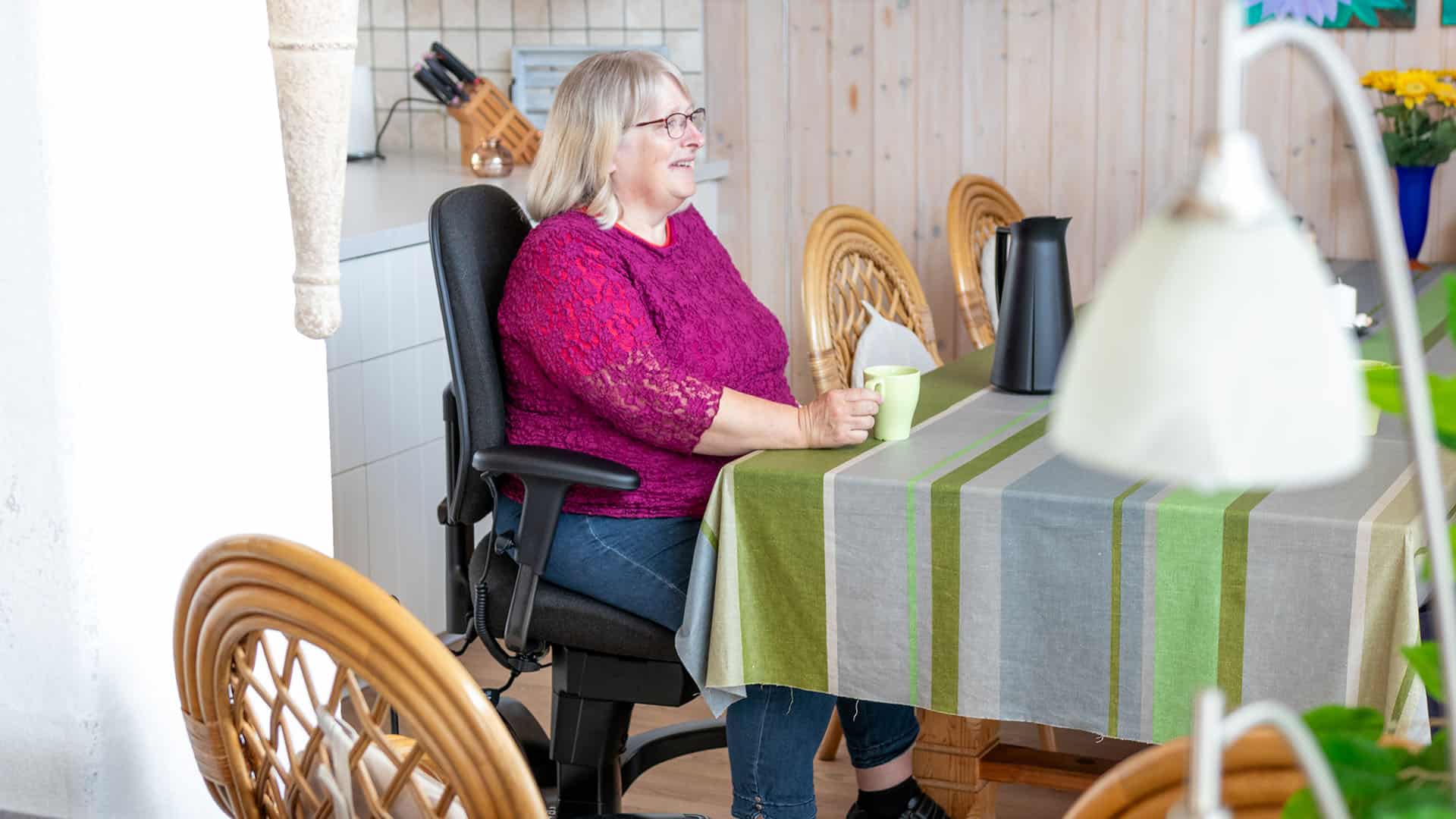
These trends create new options alongside traditional solutions—in particular, solutions that enable seniors to stay in their own homes longer, like the VELA Independence Chair, offer an innovative way forward. The VELA chair is a medically approved mobility aid designed for home use, enhancing safety and independence. It supports everyday activities such as cooking, dressing, and transferring, reducing the physical workload on informal caregivers and minimizing fall risks. This balance between mobility and care underlines its potential as an alternative to traditional nursing home care.
Staying Independent at Home with Support
How can older adults maintain their independence while staying safe at home? The VELA Independence Chair offers an excellent solution. Designed for those seeking enhanced mobility, the chair features a central brake for stability, electric height adjustability, and seamless movement while seated. For seniors, this means less difficulty when standing, moving, or participating in daily tasks like cooking or cleaning.
In 2025, a new generation of AI-powered mobility aids, wearable health sensors, and integrated smart home devices is enabling older adults to safely extend their independent living. Devices now provide proactive health alerts, personalized support, and seamless communication with caregivers and healthcare providers via telemedicine platforms. This technology-driven approach is supported by evolving ergonomic product designs and regulatory support for aging-in-place models, offering seniors greater control and comfort.
By easing the physical strain on both the elderly and their caregivers, VELA chairs extend the time seniors can safely live at home, delaying potential entry into nursing homes. While not the only solution, VELA represents a proven option that preserves dignity, freedom, and safety. With features that address safety and energy conservation, the chair supports a more comfortable and fulfilling everyday life, illustrating a practical path to aging with grace and independence. For more insights into enhancing life quality and mobility, explore Improving Quality of Life with VELA.
- SynchronyFL: The Future of Home Health Care: Trends to Watch in 2025
- Heisinger Bluffs: The Future of Senior Living: Trends to Watch in 2025
- Everything Medical Online: The Latest Trends in Mobility Aid Technology for 2025
- UnitedHealthcare Community & State: How enabling technology is transforming home-based care
- iHealthcare Analyst: Geriatric Assistive Devices Market: Trends, Technologies & Outlook
- Juniper Communities: Senior Living Trends in 2025
- PubMed Central: Integrating AI and Assistive Technologies in Healthcare