

Overview of Nursing Homes in Clinton County, Indiana
Clinton County, Indiana, is gaining prominence in the conversation around senior care due to its increasing elderly population. With this demographic shift, selecting a nursing home requires careful consideration and understanding of the local market. As of 2023, Clinton County has maintained a reliable supply of skilled nursing beds, averaging an occupancy rate of 67.8%, with the daily cost per bed standing at $224.35. According to Indiana State Department of Health, these figures suggest a stable yet evolving market, driven by the escalating necessity for senior care facilities and age-restricted housing.
Reflecting national trends, the demand for quality senior care, particularly for individuals aged 75 and older, continues to rise as this group often requires specialized services due to increased disability rates. The sector must adeptly balance providing high-quality care while addressing financial and logistical challenges, making it crucial for families to be well-informed during the decision-making process.
Top-Rated Nursing Homes & Services Available
Clinton County is home to several highly-rated nursing facilities known for their comprehensive range of services. According to Senior Guidance, Wesley Manor Health Care Center stands out thanks to its attentive staff and a variety of care levels, from skilled nursing and memory care to rehabilitation. Clinton House Health and Rehab Center offers both short-term rehabilitation and long-term care and has received feedback that highlights both strengths in convenience and areas needing improvement concerning staff interactions.
These facilities provide more than just basic care—they cultivate environments that prioritize community well-being through comprehensive activity programs, therapeutic options, and personalized care plans. Mulberry Health & Rehabilitation Center is lauded for its strong clinical team, excelling in physical therapy, respite care, and memory support. Meanwhile, Milner Community Health Care is recognized for its community involvement but also faces challenges such as extended wait times.
Cost, Availability, and Demand Trends in Clinton County
Understanding the financial landscape of nursing homes in Clinton County is essential for planning. The average monthly cost is approximately $6,730, which aligns with the statewide figures. Influential factors affecting pricing include the facility’s location, the breadth of services offered, and the staff-to-resident ratio. According to CareListings Nursing Homes, the average staffing time per resident is 41.9 minutes for RNs, 52.5 minutes for LPNs, and 126.6 minutes for CNAs, all of which are critical components influencing both care quality and associated costs.
Demand for senior housing is projected to grow owing to the increasing elderly population. Experts suggest managing costs not solely through savings but also by exploring available insurance options and financial aid policies, as outlined by the Centers for Medicare & Medicaid Services.
Choosing the Right Facility: What to Consider
Deciding on a nursing facility entails evaluating several key factors, such as Medicare and Medicaid accreditation, quality metrics like staffing ratios and resident satisfaction scores, and the demographics of existing residents. According to the Centers for Medicare & Medicaid Services, these considerations are crucial in ensuring facilities meet both the quality standards expected and specific senior needs.
First-hand experiences from families can offer invaluable insights. The decision process often includes visiting multiple facilities, engaging with the staff, and thorough discussions about financial arrangements to ensure that the selected institution aligns with the senior’s unique needs and provides a nurturing environment.
Alternatives to Traditional Nursing Homes
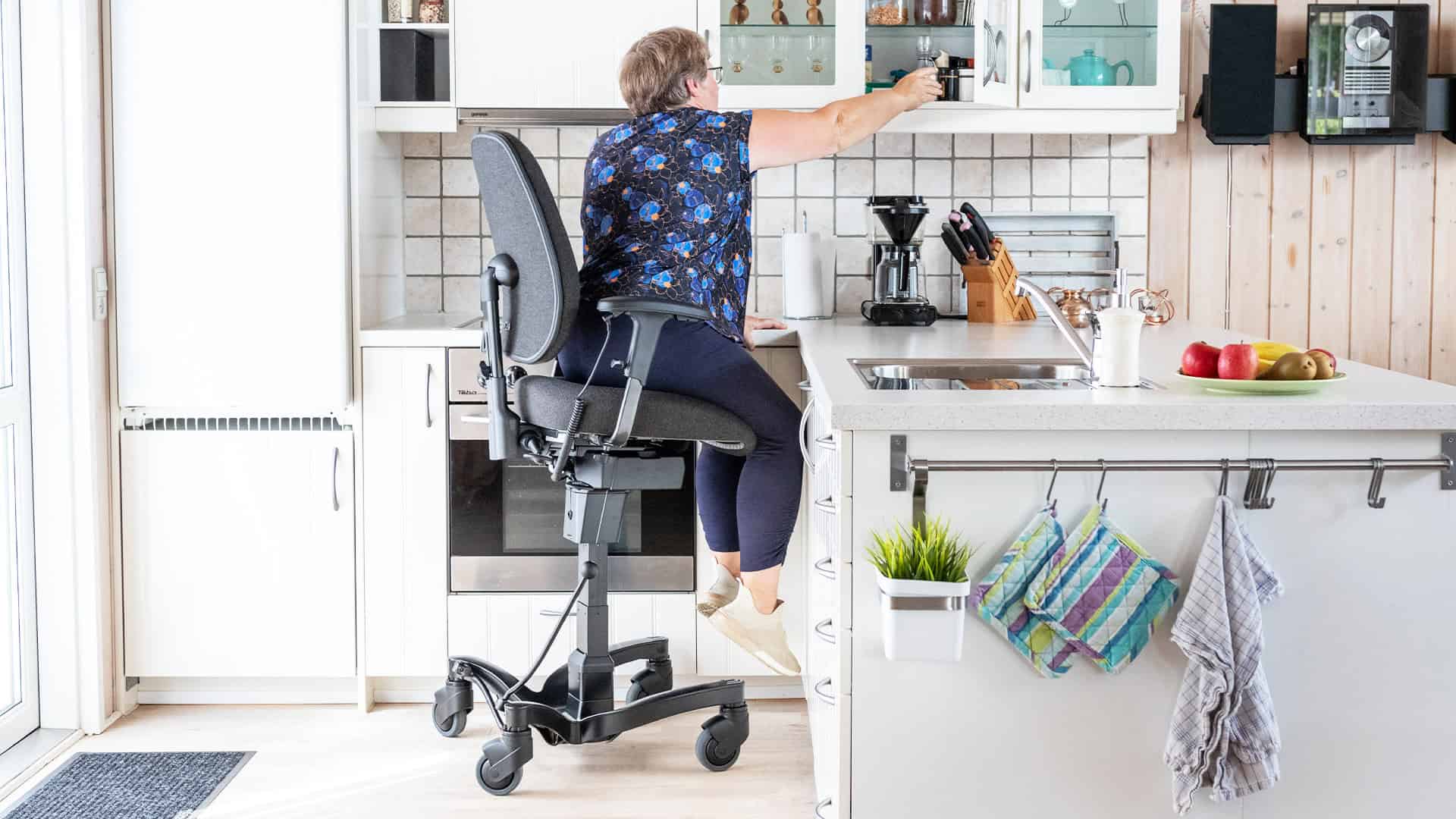
Challenging the rising demand for nursing home care, there is an increasing focus on solutions that enable older adults to remain independent in their own homes. As families seek alternatives to institutional care due to personal preferences or financial considerations, innovative tools like VELA chairs can make a significant impact. The VELA Independence Chair is a medically approved mobility chair designed for home use, providing enhanced safety and freedom of movement while seated. It supports daily activities such as cooking, dressing, or transferring, allowing seniors to maintain independence and reducing the load on informal caregivers.
Supporting Aging in Place: A Practical Option
Mobility solutions like the VELA Independence Chair offer a viable path for seniors wishing to stay in their homes longer. This ergonomic chair features a central brake to ensure safety and electric height adjustability which aids in easy transfers between sitting and standing positions. It also facilitates movement while seated, which can be crucial for tasks such as cooking and cleaning. By lessening the physical strain on individuals and caregivers alike, and enhancing daily life through increased autonomy, VELA chairs can delay the necessity of nursing home placement. While they are not the only option available, they provide a proven practical solution, enabling seniors to enjoy the dignity and freedom that comes with maintaining a familiar and comfortable home environment.