

Updated September 2025: We have updated the article to reflect new advancements in assistive technology, highlighting the integration of AI-enabled smart devices, remote patient monitoring, and telemedicine services in concierge nursing home care. Information on smart mobility aids, smart home integrations, and technology-driven personalized care has been added, along with recent trends in regulatory guidance and user customization.
Understanding the Concept of a Concierge Nursing Home
The term “concierge nursing home” unveils a fascinating niche in healthcare where personalized nursing services meet home-based care. Unlike traditional facilities, this innovative concept focuses on delivering bespoke healthcare in the comfort and familiarity of one’s own home. According to Nurse Registry, concierge nurses are independently practicing registered nurses who bring high-quality healthcare services directly to patients, emphasizing a notable shift in the way care is administered.
The demand for personalized healthcare is rapidly growing. Statistics from Ultimate Care NY highlight the increase in direct primary care providers from 273 in 2015 to 1,186 by 2019, reflecting an annual growth rate of 3-6%. These numbers underscore a widespread acceptance of concierge models among healthcare seekers who value flexibility and tailored care.
The Evolution of Concierge Nursing Services
Concierge nursing represents a holistic approach to medical care, where services are specifically tailored to the individual needs of patients. This model has evolved from its origins in concierge medicine, where patients gain more direct and personal access to healthcare providers. As described by Regency Home Care Services, this form of nursing has witnessed significant evolution, shaping an industry that sits halfway between traditional nursing and bespoke wellness services.
Unlike conventional nursing homes, which may focus on routine care within institutional settings, concierge nursing offers a wide scope of services directly to one’s home, thus enhancing patient autonomy and comfort. This model benefits patients by providing a familiar environment that promotes faster recovery and emotional well-being.
In recent years, concierge nursing has embraced innovations in technology to elevate the quality and efficiency of care provided. AI-powered devices and advanced data analytics are now facilitating more personalized interventions and early detection of health risks right at home. Smart wheelchairs equipped with GPS, collision avoidance, health sensors, and app-based customization grant greater independence and safety for users. Furthermore, remote patient monitoring (RPM) systems and wearable devices with real-time health feedback have become integral to chronic care management and early intervention strategies, helping to streamline care and reduce hospital admissions.[1][2][3][4][5][6][7][8]
Tailored Healthcare: Services Offered by Concierge Nurses
Concierge nurses provide an array of services that extend beyond standard home care offerings. These include core medical needs such as medication management, wound care, and advanced nursing interventions, as well as specialized services in cardiac care, pediatrics, and palliative care. As BrightStar Care notes, concierge nursing often involves not only basic care but also complex nursing tasks, reflecting the advanced capabilities of these healthcare professionals.
The scope of these services has grown to include technology-enabled components. Telemedicine visits are now common, allowing routine and specialist consultations without requiring patients to travel. Nurses can access patient information via secure digital platforms, while remote monitoring devices collect vital data such as heart rate, oxygen saturation, and activity levels, enabling timely interventions and ongoing personalized care.[1][3][4][7][8]
Patients and their families frequently share glowing testimonials about the life-changing impact of these personalized services. For instance, according to client feedback, access to skilled nurses significantly increases peace of mind, ensuring expert and compassionate care.
The Advantages of Personalized Nursing at Home
The personalized attention from a concierge nurse fosters strong patient-caregiver relationships and creates a comforting environment for the recipient. This aspect was highlighted by Regency Home Care Services, which advocates for the emotional and social benefits of such arrangements. Additionally, receiving care at home enhances healthcare accessibility and convenience, particularly beneficial for individuals with mobility challenges or chronic conditions.
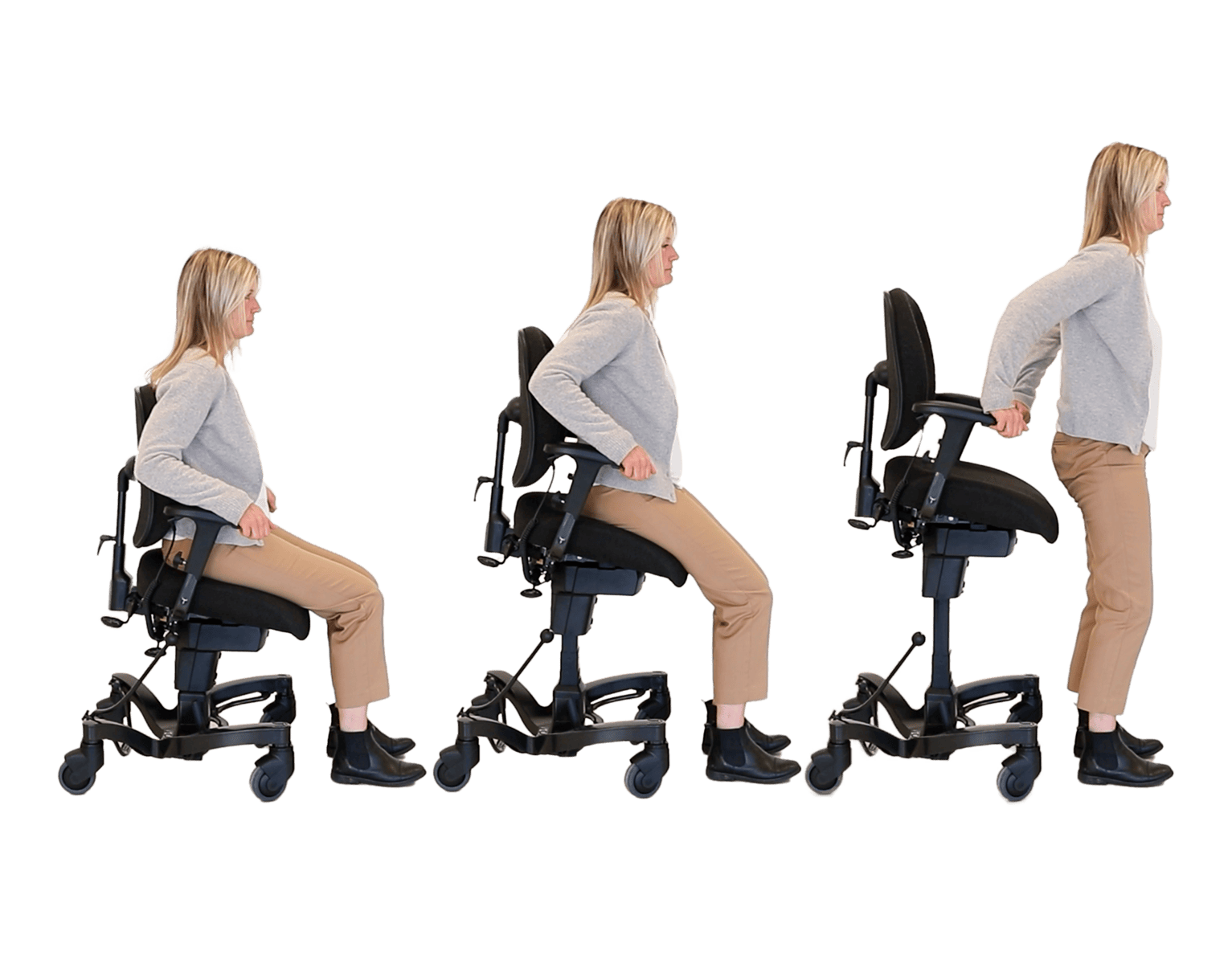
As part of enhancing the comfort and accessibility of home healthcare settings, overcoming the challenges traditionally associated with nursing homes is vital. This is where specialized mobility solutions, such as VELA chairs, become crucial. VELA is a medically approved mobility chair designed for use at home, providing enhanced safety and facilitating freedom of movement while seated. It supports daily activities like cooking, dressing, or transferring, while also reducing the physical load on informal caregivers, enabling older adults to remain independent in their own homes longer.
In addition to ergonomic chairs, many homes are now adopting smart technologies—such as voice assistants, automated lighting systems, and smart locks—to reduce fall risk, increase accessibility, and enhance security. These systems can be integrated with health monitoring devices to provide timely updates and alerts to caregivers or healthcare professionals, further supporting aging in place and fostering independence.[1][3][5][7]
Furthermore, as one family shared, having care provided at home alleviated stress and positioned their loved one to recover surrounded by meaningful memories and personal comfort.
Exploring the Business Model of Concierge Nursing
The business model of concierge nursing hinges on personalized, subscription-based services, setting it apart from traditional healthcare methods. According to Post University, nurses often operate independently, providing services under subscription plans that afford greater flexibility and deeper nurse-patient relationships. This adaptability has paved the way for growth in the sector, with promising future projections indicating increasing demand for such services.
Case studies demonstrate how successful concierge nursing businesses have profoundly impacted the healthcare landscape, offering patient-centered services that emphasize autonomy and professional integrity.
Recent trends also indicate that clinical guidelines and health policies increasingly endorse technology-enabled care, which not only addresses caregiver shortages but also improves care consistency, safety, and satisfaction in home-like settings. Stakeholders in concierge nursing now leverage connected devices, digital records, and telehealth to create seamless, efficient service delivery models for modern home healthcare.[1][2][4][6][7][8]
Staying Independent at Home with Support
Maintaining independence at home is a key desire for many older adults, and solutions like the VELA Chair are proving invaluable. By addressing common challenges such as safety, energy conservation, and ease of movement, these chairs help delay the necessity for nursing home care. Seniors benefit from the chair’s features, like a central brake for stability, electric height adjustability for effortless transfers, and smooth mobility while seated. Life with a VELA Chair means engaging in daily activities—be it cooking, cleaning, or relaxing—with dignity and freedom. Although not the sole solution, the VELA Chair stands as a practical, proven option for enhancing Senior Care Solutions, enabling a more independent lifestyle that supports aging in place.
Contemporary mobility aids and home adaptation options benefit further from user-driven design improvements and ongoing innovation. Products now commonly feature enhanced comfort, greater adaptability, and integrated digital support, allowing older adults and their caregivers to tailor solutions specifically to individual needs.[1][3][5]
References (new and updated):
- [1] SynchronyFL: “The Future of Home Health Care: Trends to Watch in 2025”
- [2] Medtronic Newsroom: “Five healthcare tech trends for 2025”
- [3] Heisinger Bluffs: “The Future of Senior Living: Trends to Watch in 2025”
- [4] AMA Journal of Ethics: “Health Care Technology Trends 2025: AI benefits, wearable use”
- [5] Everything Medical Online: “The Latest Trends in Mobility Aid Technology for 2025”
- [6] Accenture Blog, March 2025: “Transforming Healthcare with AI”
- [7] UnitedHealthcare Community & State: “How enabling technology is transforming home-based care”
- [8] Firstup: “The Top 10 Healthcare Technology Trends for 2025”