

Updated September 2025: We have updated the article with new findings on innovative assistive technologies, including smart home integration, AI-driven assistive devices, advanced wheelchairs, robotic exoskeletons, and user-centered rehabilitation practices. The article now reflects updated regulatory trends, adoption programs, and expanded funding sources for advanced mobility aids in nursing home and home care settings.
Cortland Nursing Home Guide: Informed Choices for Senior Care
When searching for the right “Cortland nursing home,” it is vital to understand the unique landscape of senior care in Cortland, NY. With an expanding aging population, choosing the right facility involves careful consideration of costs, services, and availability. According to the New York State Department of Health, the average cost of nursing home care in the area is approximately $5,653 per month. Additionally, high occupancy rates ranging from 91-100% highlight the pressing need to carefully evaluate options to find a suitable match for your loved one’s care needs.
Overview of Nursing Homes in Cortland, NY
Cortland, NY, offers a range of nursing home options to accommodate the city’s demographic needs. According to the Cortland County Community Health Assessment, aging residents and high housing costs contribute significantly to the demand for reliable senior care. The region is home to various facilities providing both short-term and long-term services, catering to diverse needs such as rehabilitation, skilled nursing, and memory care. This reflects the community’s commitment to quality care for its seniors.
Top-Rated Nursing Homes: Ratings, Services, and Reviews
Understanding how nursing home ratings are determined can guide you in selecting a suitable facility. Ratings are typically based on health inspections, staffing levels, and quality measures, as reported on Medicare.gov. Top-rated facilities like the Cortland Park Rehabilitation and Nursing Center, Crown Park Rehabilitation, and Guthrie Cortland Medical Center stand out for their dedication to high-quality care. According to Caring.com, user reviews reveal that these facilities are praised for attentive staff and engaging activities. Personal accounts highlight excellent rehab services and comprehensive nursing care, emphasizing the benefit of choosing highly-rated centers.
Costs, Availability, and Selecting the Right Facility in Cortland
The cost of nursing home care is a critical aspect of the decision-making process. In Cortland, typical fees range from $5,374 to $5,653 per month. Payment options include Medicare, Medicaid, and private pay, providing flexibility for different financial situations, as outlined by A Place for Mom. When selecting a facility, it’s important to consider waiting lists due to the high demand and occupancy rates, ensuring your timely placement at a preferred center. Practical scenarios such as sudden health changes or increased care needs might necessitate quick decisions, underscoring the importance of early planning.
Advances in Assistive Technology and Rehabilitation Practices
Recent developments in assistive technologies are transforming care options for seniors in Cortland’s nursing homes and at home. Smart home systems with voice-activated and AI-driven controls are increasingly integrated into care settings, providing residents with greater independence and convenience. Advanced wheelchairs now feature autonomous navigation, ergonomic adaptive seating, and real-time health monitoring, enhancing both safety and comfort for users. Robotic exoskeletons and next-generation prosthetics offer superior mechanics and user interfaces, enabling better customization and shared control based on individual mobility needs Tomcare; PubMed Central.
Rehabilitation practices have also evolved, with an emphasis on ergonomic designs, seamless user-device integration, and user-friendly interfaces tailored to functional and cognitive needs. There is increased use of adaptive input devices, such as voice-activated systems, adaptive keyboards, and supportive software, which help individuals with limited dexterity or cognitive challenges participate fully in daily activities Equal Accessibility LLC. Regulatory guidelines and clinical recommendations are being revised regularly to incorporate these technological innovations, supporting best practices and improved rehabilitation outcomes in nursing homes Ability MT; PR Newswire. Expanded charitable funding programs now support better accessibility to advanced devices, making it easier for seniors and caregivers to obtain the latest solutions.
Alternatives to Nursing Homes: Community and In-Home Care Options
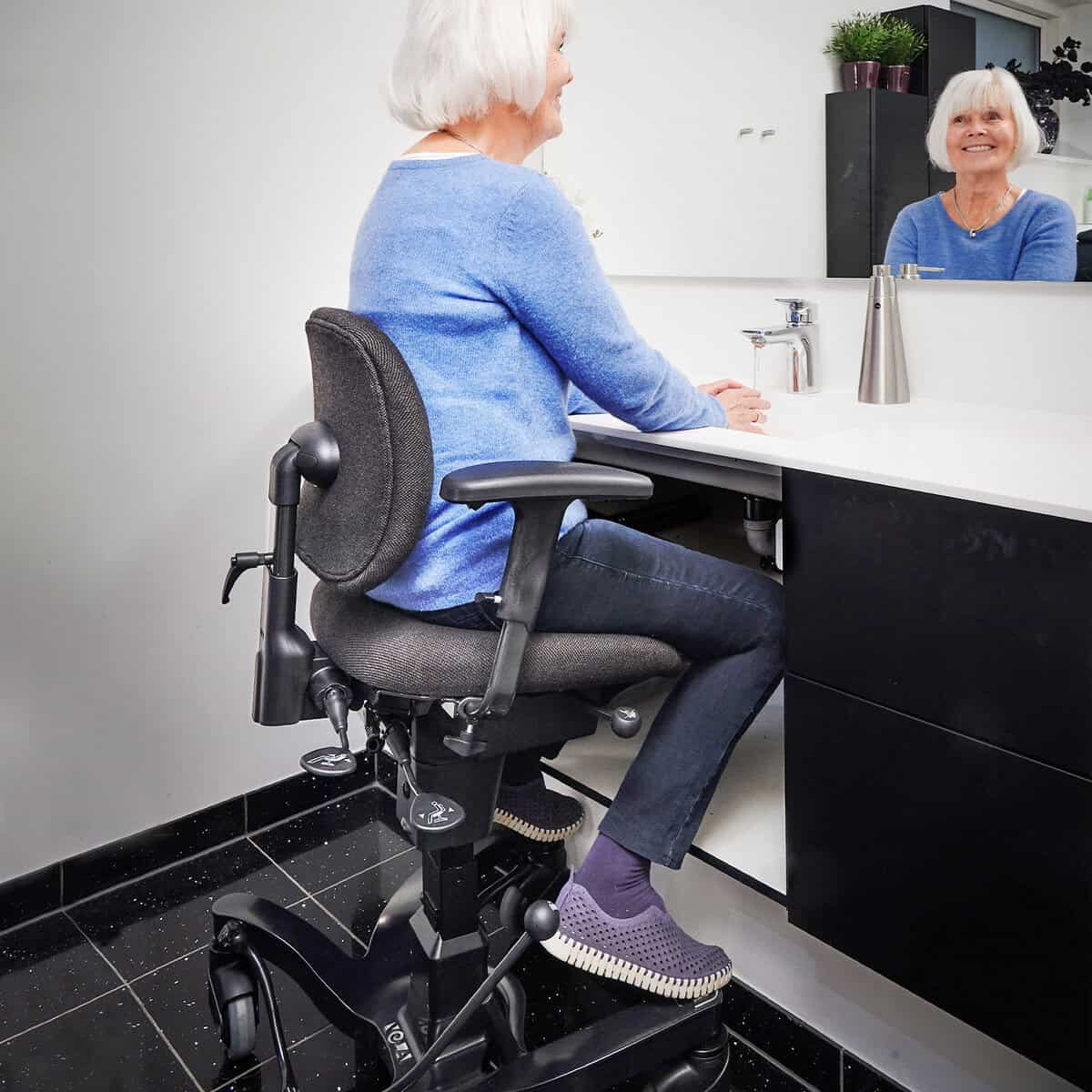
While nursing homes offer comprehensive care solutions, they may not always be the preferred choice for those valuing independence. Many families consider in-home care, allowing seniors to stay in familiar environments while maintaining some autonomy. Addressing the challenges of maintaining independence at home involves practical solutions like VELA Chairs, which are medically approved mobility chairs designed for home use. These chairs provide enhanced safety, freedom of movement while seated, and support for daily activities like cooking, dressing, or transferring—all while reducing the load on informal caregivers. With solutions like VELA, the possibility of remaining at home becomes more achievable, giving peace of mind to families and enabling seniors to enjoy a greater sense of freedom.
In conclusion, making an informed choice about nursing home care in Cortland involves understanding various factors such as costs, facility ratings, and available services. While traditional nursing homes offer comprehensive care, alternatives like in-home care can provide flexibility and a sense of independence for many seniors. Whether opting for a facility or alternative care, a thoughtful decision based on individual needs and preferences will ensure the best possible outcome for your loved one’s health and happiness.
By presenting a balanced view, users can see the benefits of nursing home care, such as comprehensive services and 24/7 support, as well as the benefits and challenges of in-home and community care. This approach allows families to make decisions that best fit their situations, ensuring trust and reliability in the information provided.