

Updated September 2025: We have updated the article to reflect major 2025 CMS regulatory guidance changes impacting nursing home oversight, staffing compliance, medication use, and quality ratings. The article now incorporates enhanced quality assurance requirements focused on health equity, new rating methodology for nursing homes, and recent trends in assistive technology and rehabilitation. References have been added to detail these updates.
An In-Depth Look at Country View Nursing Facility in Bowling Green, MO
For those researching “Country View Nursing Home,” understanding the facility’s specifics is crucial. Located at 2106 W Main St, Bowling Green, Missouri, Country View Nursing Facility is a 60-bed establishment that has gained attention due to its ratings and safety records. Bowling Green, MO, is a small city in Pike County with an estimated population of approximately 5,000, where seniors comprise a significant portion of the population, amplifying the need for quality senior care in the area.
Country View Nursing Facility offers standard services typically associated with a nursing home, such as skilled nursing care. According to Caring.com, the facility maintains a 1.0-star rating, reflecting dissatisfaction among reviewers, particularly regarding responsiveness and care standards. Specific complaints from visitors include an unorganized nursing department and neglect of residents’ needs.
Evaluating Safety and Quality at Country View Nursing Facility
When considering a nursing facility, understanding its safety and quality metrics is vital. Country View Nursing Facility’s record leaves much to be desired. As per Brown & Crouppen Law, the facility has faced over 56 deficiencies and accrued fines exceeding $122,000, primarily due to medication errors and unreported falls. Such serious issues can significantly compromise the safety and well-being of residents.
Recent regulatory updates from the Centers for Medicare & Medicaid Services (CMS) have introduced significant revisions to the oversight and quality assurance processes for nursing homes. Effective in 2025, new surveyor guidance requires stricter supervision of medication use—particularly psychotropic drugs—and emphasizes enhanced resident rights and regulatory compliance for both admissions and discharges. CMS mandates stronger nursing leadership and requires facilities to demonstrate staffing compliance through Payroll Based Journal (PBJ) data. Furthermore, facilities must now integrate root cause analysis of any care disparities, including those related to race, language, or socioeconomic status, as part of their Quality Assurance Performance Improvement (QAPI) programs to proactively address health equity and reduce disparities.
Sandberg Phoenix – CMS Revisions 2025;
Constellation Quality Health – 2025 CMS Updates
.
Furthermore, data from ProPublica Nursing Home Inspect underscores a concerning pattern. The facility has faced rigorous evaluations by Medicare, indicating persistent and significant safety concerns that have led to strict penalties. This information serves as a cautionary tale, highlighting the necessity for potential residents and their families to evaluate safety records meticulously before making a decision.
Federal staffing mandate proposals that would have required 24-hour RN coverage and higher minimum direct care hours were struck down in 2025 by federal courts, leaving current staffing regulations unchanged; workforce shortages remain a critical factor impacting care quality. Facilities must still comply with existing CMS staffing requirements and demonstrate staffing adequacy using current PBJ reporting.
WTW – 2025 Nursing Home Staffing Mandates.
CMS also updated the rating methodology for nursing homes in 2025. Updates include focusing ratings on recent survey results by limiting the reliance on older surveys and publishing chain and affiliate ratings for greater transparency. COVID-19 vaccination data has been removed from public profiles, allowing consumers to focus on current indicators of care quality.
Health Industry Washington Watch – 2025 LTC Updates.
CMS is also piloting risk-based surveys for high-performing nursing homes, utilizing a focused approach to streamline compliance evaluations while ensuring resident safety. The shift gives regulatory agencies more flexibility in focusing resources on facilities with higher risks or more frequent problems.
CMS – Risk-Based Survey Model.
Exploring Alternatives: Choosing the Best Nursing Home
Choosing the right nursing home involves more than just proximity; the quality of care is paramount. Using resources like the CMS Provider Data Catalog can offer a broader view of available services and their quality when comparing Country View Nursing Facility with other local options. Key factors to assess include the quality of staffing, availability of specialized programs, and the facility’s maintenance record.
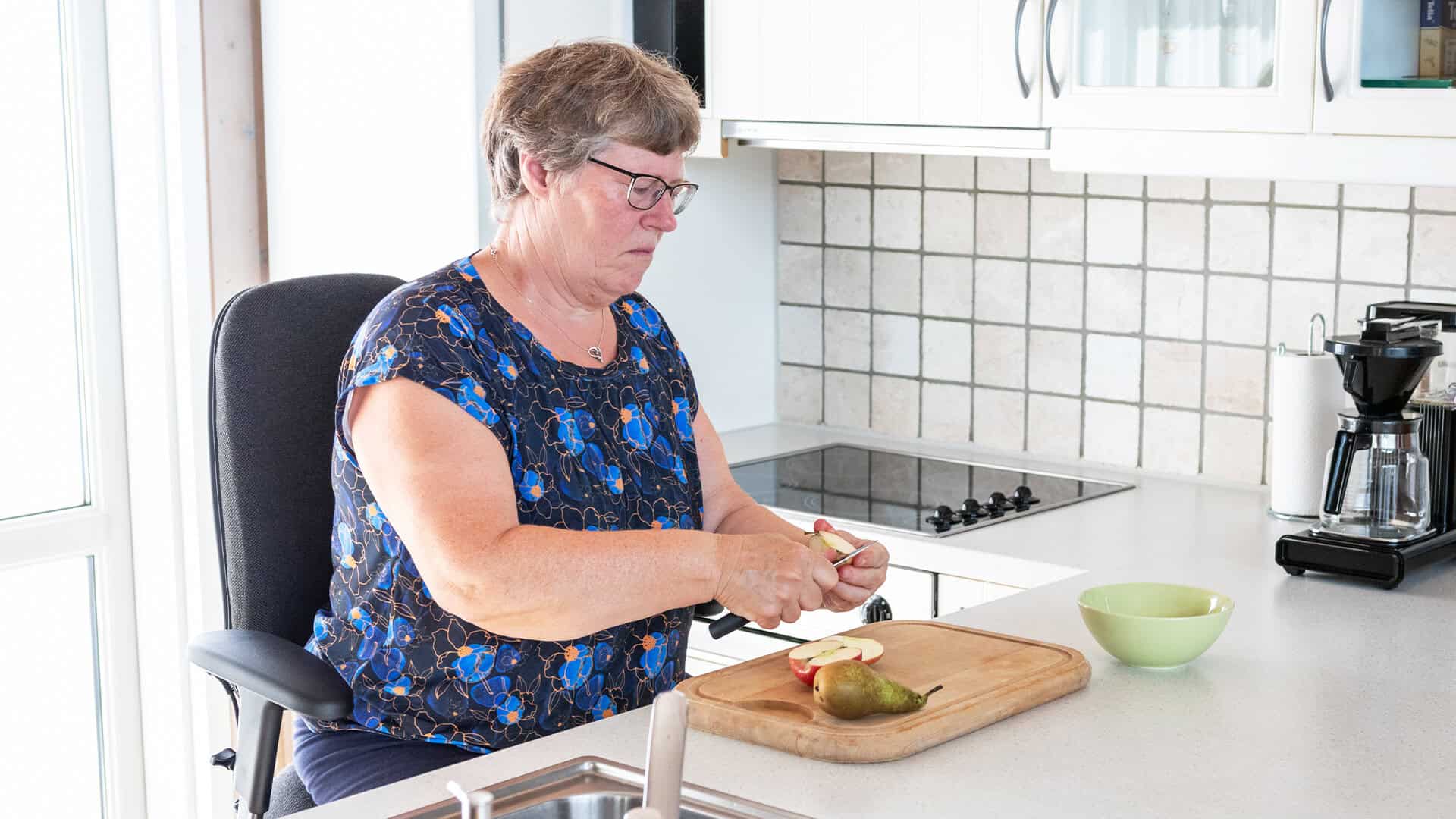
Given these considerations, exploring alternative care options such as in-home care may be prudent. While traditional nursing home care provides a structured environment, many families now prefer solutions that allow seniors to age in place comfortably and safely. In this context, mobility aids can make a significant difference. One such option is the VELA Independence Chair, a medically approved mobility chair designed for use at home. It enhances safety and provides freedom of movement while seated, supporting daily activities such as cooking, dressing, or transferring, and importantly, reduces the load on informal caregivers. These features are particularly valuable for seniors and families seeking to balance independence with needed support.
Supporting Aging in Place: A Practical Option
VELA Chairs offer a viable solution to help seniors maintain independence at home longer. By integrating features like a central brake for safety and electric height adjustability, these chairs allow for safer movement and reduce fall risks in everyday activities. This empowers seniors to handle daily tasks more comfortably, from cooking and cleaning to enjoying leisure time, thus delaying the need for a nursing home. The ease of movement while seated and support in transfers can lighten the physical responsibilities on caregivers, preserving both dignity and energy for older adults. While VELA is a proven option, exploring a range of mobility solutions could further ensure that aging in place remains a practical and effective choice for many seniors. For more insights, consider exploring Mobility Aids for Seniors and Supporting Independent Living.
Recent trends in rehabilitation and assistive technology underscore the importance of inclusive and ergonomic design to improve mobility and autonomy for older adults. There is an increasing focus in 2025 on integrating sensor-based mobility aids and artificial intelligence-assisted rehabilitation tools, supporting more personalized and adaptive care for residents at home and in care settings. These innovations align with the National Patient Safety Goals, emphasizing safety protocols such as medication management, fall prevention, and infection control in all care environments.
Joint Commission – National Patient Safety Goals 2025
.