

Updated September 2025: We have updated the article with the latest advancements in AI-enhanced assistive devices, new ergonomic rehabilitation practices, updated CMS nursing home oversight standards, and emerging trends in technology supporting both physical and cognitive engagement for residents.
Finding the Ideal Coventry Nursing Home
Finding the ideal nursing home can be a significant decision for families, whether they are looking in Coventry, Rhode Island, or Coventry, UK. Each region offers a range of facilities tailored to meet the diverse needs of their senior populations. In Coventry, RI, approximately 15% of the population is aged 65 or older, reflecting the need for quality elder care facilities. Meanwhile, Coventry in the UK boasts 46 care homes with over 1,815 beds, providing a variety of options for care (Healthy Aging Data Reports, Coventry City Council Market Sustainability Plan).
Overview of Nursing Homes in Coventry
In both Coventry, RI, and Coventry, UK, the rising aging populations underscore a growing demand for nursing home care. This demand is countered by a diverse array of facilities, each offering distinct services. In Coventry, UK, many care homes operate with occupancy rates averaging 80-85%, indicative of robust demand and steady resident turnover (Coventry City Council Market Sustainability Plan). Similarly, in Coventry, RI, notable facilities like Alpine Nursing Home Inc and Riverview Healthcare Community are celebrated for their extensive service offerings and the personalized care they provide. Families often describe these homes as more than just care facilities; they are communities where resident dignity and respect are prioritized.
Leading Nursing Home Facilities: Options & Ratings
In Coventry, RI, Alpine Nursing Home Inc is distinguished by its four-star rating, according to Medicare.gov Nursing Home Compare. It provides Medicare/Medicaid certified care, therapy services, and respite care. Riverview Healthcare Community is highly regarded for its skilled nursing services and vibrant activities designed to engage residents daily. Innovative technologies, including AI-enabled mobility aids and smart rehabilitation tools, are now being implemented in leading nursing homes. These additions empower both residents and caregivers to track mobility patterns, monitor potential fall risks, and enable more personalized intervention plans. Such facilities are not just mediators of healthcare but are vital in fostering social interactions. A resident at Alpine shared how participation in weekly music sessions and art classes enriched their daily life, attributing much of their contentment to the home’s inclusive community atmosphere. The integration of advanced assistive technology further supports residents’ physical and cognitive engagement, contributing to enhanced quality of life (Medicare.gov Nursing Home Compare Data, July 2025).
Cost, Care Quality, and Specialized Services in Coventry
Understanding the financial commitment of nursing home care is crucial for effective family budget planning. In Coventry, RI, Alpine Nursing Home Inc’s monthly costs range between $8,593 to $9,158, notably higher than the state average of $5,764 (Rhode Island Department of Health, FamilyAssets.com). However, the justification lies within the exceptional care quality and specialized services offered, including dementia care and occupational therapy. Up-to-date rehabilitation protocols at top facilities now integrate digital health monitoring and remote supervision, allowing staff to develop more targeted, individualized therapy plans. Feedback from residents and families indicates that adoption of these new approaches, along with user-informed ergonomic product design, enhances recovery outcomes and daily comfort. An example illustrating this is how customized therapy plans at Alpine have significantly improved individual resident mobility, contributing positively to their quality of life (Rhode Island Department of Health Nursing Home Summary Report, Early 2025).
Choosing the Right Nursing Home: Key Considerations
Selecting a nursing home involves several key factors: location, services, reputation, and personalized care approaches. Families are encouraged to tour facilities and engage with the staff to ensure an informed decision is made (Medicare.gov Nursing Home Compare). Considering alternatives like assisted living or in-home care for those desiring more independence can also be valuable. Critical considerations include:
- Assessing overall facility ratings and reviews
- Considering proximity to family and friends
- Verifying available specialized care services
- Comparing costs and payment options
- Evaluating staff-to-resident ratios
Recent regulatory changes now play a larger role in evaluating nursing homes. The Centers for Medicare & Medicaid Services (CMS) has introduced new Nursing Home Care Compare quality measures and implemented stricter, more frequent inspections to improve safety and personalized care (CMS Policy Memo: Updates to Nursing Home Care Compare REVISED, September 2025). Families benefit from increased transparency and updated performance data when researching facility options. These points help underscore the importance of thorough research when deciding on a nursing facility that aligns with the needs of the senior and their family.
Supporting Independence Before Nursing Home Care
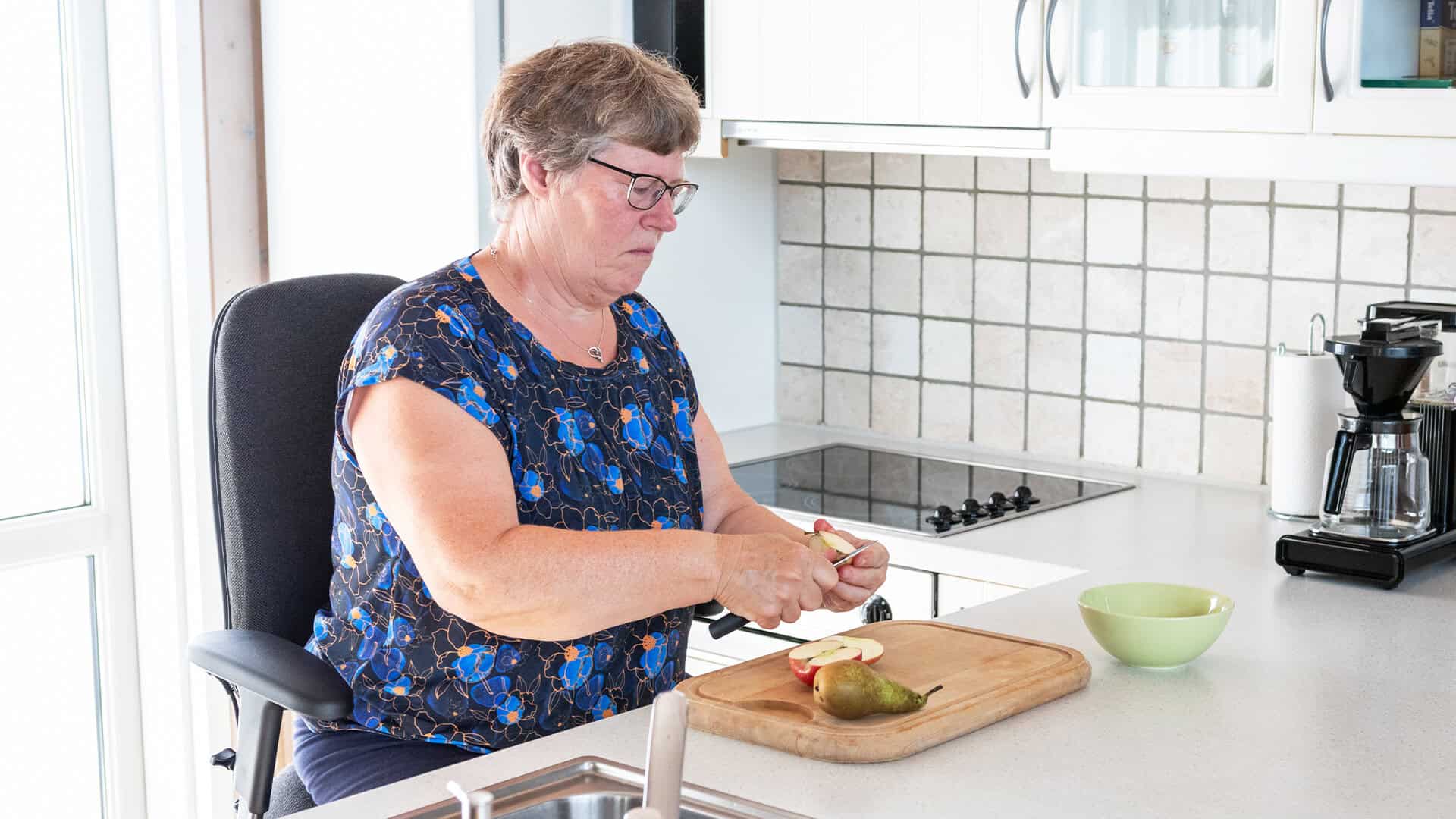
Finding a balance between the safety and care offered by nursing homes and the independence seniors desire is key for many families. When considering alternatives that allow older adults to maintain independence at home before transitioning to a full-time care facility, assistive devices like the VELA Independence Chair play a crucial role. As a medically approved mobility chair, VELA provides enhanced safety with a central brake system, facilitates freedom of movement while seated, and assists with daily activities such as cooking, dressing, and transferring—all while alleviating the care load on informal caregivers. Recent advancements in assistive technology also include AI-enhanced mobility aids, smart walkers, and wheelchairs equipped with sensors capable of monitoring falls and mobility patterns. These tools support caregivers in implementing more personalized intervention plans, while enhancing daily function, user comfort, and safety. This can provide elderly individuals the dignity and autonomy they seek, potentially postponing the need for residential care.
Supporting Aging in Place: A Practical Option
VELA chairs exemplify practical solutions that help seniors maintain independence at home longer. By reducing fall risks and integrating features like electric height adjustability, these chairs transform how seniors engage with their living spaces. Backed by updated recommendations and best practices in rehabilitation, contemporary assistive products now feature dynamic ergonomic design informed by user feedback, further improving usability and accessibility for seniors and those with disabilities. With the convenience of easily moving between different home tasks, such as preparing meals or relaxing, seniors can manage their daily lives with minimal assistance. This autonomy plays a significant role in promoting dignity and energy conservation, crucial for both the elderly and their caregivers. While VELA is not the only solution available, its effectiveness in enhancing senior mobility solutions makes it a recommended and valuable resource in the realm of elder care planning.
References
- Healthy Aging Data Reports
- Coventry City Council Market Sustainability Plan
- Medicare.gov Nursing Home Compare
- Rhode Island Department of Health
- FamilyAssets.com
- CMS Policy Memo: Updates to Nursing Home Care Compare REVISED, September 2025
- Medicare.gov Nursing Home Compare Data (July 2025)
- Rhode Island Department of Health Nursing Home Summary Report (early 2025)