

Updated January 2026: We have updated the article with the latest advances in assistive mobility technology, including AI-driven smart wheelchairs with autonomous navigation, all-terrain power chairs, wearable robotics, and robotic transfer aids. The update also highlights CES 2026 trends in smart home and mobility solutions for both memory care and nursing homes, showing how new technologies reduce staff workload, enhance safety, and promote independent living for residents with cognitive or physical impairments.
Understanding the Difference Between Memory Care and Nursing Homes
Understanding the difference between memory care and nursing homes is crucial for families making informed senior care decisions. As dementia and Alzheimer’s disease become more prevalent, knowing which facility best fits a loved one’s needs is essential. According to WebMD, memory care units offer specialized care while ensuring secure environments for individuals dealing with memory loss.
Understanding the Basics: Memory Care vs. Nursing Homes
Memory care facilities are specially designed to cater to individuals with cognitive impairments, such as Alzheimer’s and other dementia forms, focusing on creating an environment supportive of their needs. Activities and therapies are aimed at slowing cognitive decline and improving quality of life. In contrast, nursing homes offer a broad range of medical services for various health conditions, providing comprehensive care and assistance with daily activities. As highlighted by A Place for Mom, memory care offers specialized services while nursing homes provide skilled nursing care.
Personal stories frequently emphasize these distinctions. For instance, a family reported that after transitioning their father to a memory care facility, the tailored activities significantly enhanced his daily life. Such real-life experiences underscore the transformative impact memory care can have for those with cognitive impairments.
Specialized Care Approaches
Memory care focuses on slowing cognitive decline through targeted programs and staff trained specifically for dementia care. For example, at Village Walk Senior Living, staff members employ strategies that cater to the nuances of dementia care, enhancing residents’ mental functions and emotional well-being.
Nursing homes, according to Sunflower Communities, prioritize medical care with staff trained across various medical disciplines, addressing health issues from chronic disease to postoperative care. These distinctions in training and focus ensure that residents receive care tailored to their specific needs.
Environmental Design and Safety Features
Memory care facilities are designed to support cognitive function and minimize confusion. Architectural elements like color-coded walls, soft lighting, and circular layouts help residents navigate spaces safely and comfortably. Security measures are a priority to prevent wandering—a common issue among dementia patients. Recent advancements have introduced a new generation of AI-powered mobility devices and wearable assistive technologies, such as smart wheelchairs with autonomous navigation, obstacle detection, robotic transfer aids, and anti-wandering systems using sensors and lidar. Devices like the LUCI add-on, Robooter X40, and Adventus Robotics offer features that promote resident independence while ensuring safety. New wearable devices, such as Hapware Aleye, provide sensory cues and can be integrated with voice-controlled smart home systems to reduce confusion and support daily routines. CES 2026 highlighted these tools as transformative in memory care, allowing for a more secure and supportive environment.Mobility Management, AbilityMT.org, Accessibility.org.au, ThinkBeyondTheChair.org, Towne House, Cedar Creek
Moreover, memory care now frequently centers on therapeutic and person-centered programs, such as Montessori-based engagement and personalized routines, which evidence shows can further improve quality of life and autonomy for dementia residents.Towne House
Nursing homes, as noted by All American at Washington, typically feature a more clinical design, emphasizing functionality for efficient medical care delivery. The priority here is medical accessibility rather than cognitive support considerations. However, patient-centered rehabilitation increasingly features robotics and AI-driven adaptive devices, including all-terrain power chairs (such as XSTO X12 with stair-climbing abilities), wearable robotics, and innovative add-ons like WheelMove, extending range and enabling greater mobility for those with combined physical and cognitive challenges. Robotic transfer aids (ReviMo Niko) and AI systems for safe mobility transitions (like MaaS-Bridge, recipient of the CES 2026 Innovation Award) are increasingly adopted, promoting safety and efficiency while reducing staff workload and physical burden.Mobility Management, AbilityMT.org, Accessibility.org.au, Keyway Medical
Services and Daily Programming
Daily life in memory care revolves around activities that enhance cognitive function. These programs increasingly include evidence-based approaches such as Montessori-based routines and offer mental stimulation, emotional engagement, and a supportive community for residents. Environmental and programmatic updates—including specialized therapeutic approaches and person-centered programming—continue to evolve in line with clinical recommendations and recent guidelines.Towne House, Cedar Creek
Emerging assistive technologies have become an integral part of both memory care and nursing home programming. Innovations such as AI-enabled mobility aids, power chairs for varied terrain, robotic transfer devices, and adaptive smart wearables (many showcased at CES 2026) now provide tailored support for residents, including those with dual cognitive and physical impairments. Features such as autonomous navigation, anti-obstacle detection, extended battery range (up to 25 km per charge with new devices like WheelMove), safe transfer assistance, and combined sensory-cognitive engagement are increasingly standard. Facilities are integrating these solutions with voice control and wearable tech for inclusive programming, improved safety, reduced staff burden, and greater resident independence.Mobility Management, Accessibility.org.au, AbilityMT.org, Keyway Medical
Nursing homes continue to offer structured health and personal care as their central focus, but they, too, are benefitting from advances in assistive technology, implementing AI-guided rehabilitation devices and smart mobility aids to enhance care and reduce caregiver strain. The World Health Organization emphasizes the rising global demand for such devices, projecting up to 3.5 billion people will need some form of assistive technology by 2050, which is prompting updated health policy and greater funding for technology adoption in both memory care and nursing home settings.WHO, ATIA
Exploring Mobility Solutions as Home Care Alternatives
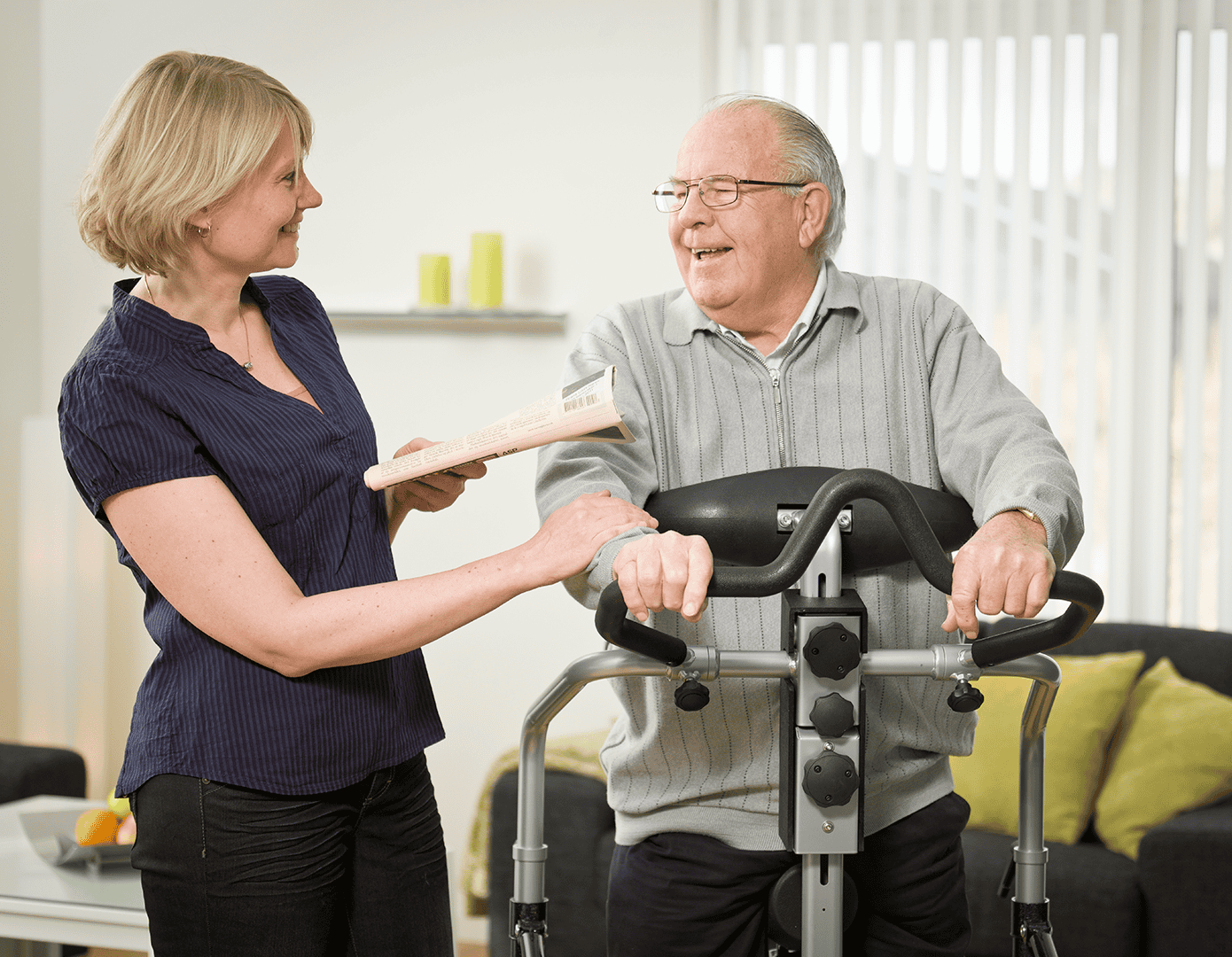
For many families, the challenges associated with nursing homes, such as a clinical environment and loss of independence, lead them to explore options that allow older adults to remain at home safely. One innovative solution that supports this goal is the use of medically approved mobility aids like the VELA Independence Chair. This chair is specifically designed for home use, offering not only enhanced safety through its central brake system but also providing freedom of movement while seated. Such features assist with daily activities like cooking, dressing, or transferring, significantly easing the burden on informal caregivers and promoting independence.
Recent advances allow home care to benefit from many of the same technologies seen in institutional care. Cutting-edge options now include AI-powered mobility devices with autonomous navigation, all-terrain and stair-climbing power chairs (such as XSTO X12), wearable robotics, wheelchair attachments like WheelMove for longer range, and robotic transfer devices that provide additional support to both user and caregiver. Wearable sensors (e.g., Hapware Aleye) and voice-activated smart home robotics help maintain independence and manage cognitive or physical decline at home. CES 2026 emphasized the rapid adoption of these tools, reflecting the market shift and user demand toward aging in place safely and comfortably.Mobility Management, Accessibility.org.au, AbilityMT.org, Keyway Medical, WHO
Supporting Aging in Place: A Practical Option
How do solutions like the VELA Independence Chair for Seniors enhance life at home? These chairs offer a range of features designed to maintain an individual’s safety and independence in their own environment. With options such as electric height adjustability, they cater to daily needs, allowing for comfortable participation in activities like cooking or reading. The chair’s central brake enhances safety, preventing falls that are a common concern for aging individuals. By preserving energy that might otherwise be expended in moving around the home, these mobility aids can delay the transition to nursing home care. While VELA is not the only solution, it represents a proven, practical approach to maintaining dignity and freedom in daily living, offering peace of mind to both seniors and their families. For more exploration into such aids, Enhancing Mobility for Seniors offers insights into these life-enhancing technologies.
References and Further Reading
- Carr, Dawn. “Revolutionizing Accessibility: The Latest Innovations in Assistive Technology 2025.” Nabroward.com, 2024-12-31.
- “The Best Assistive Tech Gadgets in 2025: Enhancing Independence Through Innovation.” ThinkBeyondTheChair.org, 2025-02-07.
- “13 CES 2025 Award-Winning Assistive Tech Innovations for Healthcare Professionals to Know About.” ConnsenseReport.com, 2025-02-03.
- “Memory Care vs. Nursing Homes: What’s the Difference?” APlaceForMom.com, 2025-06-26.
- “Innovations in Assistive Technology: The Future of Accessibility.” EqualAccessibility.co, 2025-03-19.
- “Nursing Home Vs. Memory Care: 6 Key Differences To Know.” SunflowerCommunities.org.
- “Innovations in Mobility Aids: A Look at the Latest Technologies.” Keyway Medical, 2025.
- “The Best Assistive Tech Gadgets in 2025: Enhancing Independence.” Think Beyond the Chair, 2025.
- “Assistive Technology for People with Disabilities.” AbilityMT.org, 2025.
- “Memory Care vs Nursing Homes: The Difference & Memory Support Innovations.” Towne House, 2025.
- “The Difference Between Memory Care and Nursing Home Care.” Cedar Creek, 2025.
- “Assistive Technology Fact Sheet.” World Health Organization, 2025.
- “AT Innovations for Education, Employment, and Independent Living.” ATIA, 2025.
- “CES 2026: 4 Assistive Technology Exhibitors to Watch.” Mobility Management, 2026.
- “CES 2026 Includes Mobility, Health and Smart Home Tools with Accessibility Potential.” Accessibility.org.au, 2026.