

Updated January 2026: We have updated the article with recent innovations in AI-powered accessibility, mobility robotics, and quick-connect wheelchair technology, as well as significant shifts in U.S. nursing home staffing regulations. The overview now includes breakthrough assistive devices launched at CES 2026 and reflects policy changes affecting long-term care quality standards.
Downtown Brooklyn Nursing Homes: Making the Right Choice
Choosing the appropriate nursing home in Downtown Brooklyn holds significance amidst its lively urban backdrop and a growing elderly population in need of quality care. Given the area’s dense population, selecting facilities based on their proximity to medical centers, tailored services, and the quality of care they provide is essential. According to Medicare.gov, nursing homes receive ratings rooted in crucial aspects like health inspections, staffing, and quality measures, emphasizing their importance in the selection process. Recent CMS revisions now base Five Star ratings on only the two most recent standard surveys, aiming for a more current measure of performance, and publish chain-specific ratings to increase transparency.[8]
Downtown Brooklyn Nursing Homes: An Overview
Downtown Brooklyn stands as a beacon of cultural diversity and is witnessing an escalating demand for quality senior care. The urbane environment is advantageous, with numerous healthcare facilities and efficient public transit that offer convenience to residents and families alike. This setting creates a community that values accessibility and comprehensive care for the elderly.
Nursing homes in this vicinity offer services ranging from short-term rehabilitation to extensive long-term care, with the demand continuously rising, as discussed by the New York State Department of Health. This mirrors the needs of the aging demographic for robust nursing home options.
Comparing Top-Rated Nursing Facilities
Conducting an in-depth comparison of top-rated nursing facilities is essential for informed decision-making. For example, the Downtown Brooklyn Rehabilitation & Nursing Center, which boasts a 3.0 CMS rating, provides 320 beds and offers a variety of care options, accommodating both Medicare and Medicaid-certified individuals. According to FamilyAssets, the center stands out not only for its capabilities but also for its strategic location near major medical establishments.
Conversely, the Hopkins Center for Rehabilitation Healthcare, known for its excellent rehabilitation and skilled nursing services, impresses with an outstanding 4.4 rating on Caring.com. Each facility’s distinctive features and community reputation underscore the importance of considering user reviews along with official ratings. The revised regulatory landscape now publicly reports average chain-level performance and reflects changes in facility ratings more promptly through the new survey cycle.[2]
Costs, Services, and What to Expect
Recognizing the cost structure associated with Downtown Brooklyn’s nursing homes is indispensable for comprehensive financial planning. Costs fluctuate between $1,900 to $14,357 monthly, according to FamilyAssets, hinging on the services provided and the type of insurance coverage. The average regional cost is $8,128, exceeding the broader NYC average of $7,795, emphasizing the importance of budgeting thoughtfully.
Residents can expect varied programs tailored to individual needs, including memory care and rehabilitation. With recent advances, facilities increasingly adopt modern assistive technologies and AI-driven devices to support daily living and rehabilitation. Family testimonials often spotlight the necessity of evaluating service complexity and duration to foresee financial commitments accurately.
Alternatives and Innovations in Senior Care
While traditional nursing homes furnish exhaustive care, many families grapple with the emotional and logistical challenges presented by these long-term facilities. Shifting from institutional environments to solutions that enhance the independence of older adults within their homes can be beneficial. Recent technological advances have broadened the options for home-based care. AI-powered smart glasses—such as NeuroVision Pro and VisionX AI Glasses—combine cameras and artificial intelligence to offer real-time visual assistance, enabling visually impaired users to navigate and interact independently.[1][3]
Other breakthroughs include brain-computer interface prosthetics like the NeuroGrip Arm, which enable thought-controlled movement and significantly improve end-user autonomy. AI-powered mobility aids, such as next-generation smart wheelchairs, now integrate real-time health monitoring, obstacle detection, and autonomous navigation, dramatically increasing safety and independence for users. Wearable robotics, such as the H-Medi exoskeleton, use predictive AI to personalize gait therapy, showing notable gains in mobility efficiency, while lightweight multi-modal exoneuromusculoskeletons now provide effective self-guided stroke rehabilitation with combined electrical stimulation and vibrotactile feedback.[5][7][3]
Significant innovations introduced at CES 2026 include the MaaS-Bridge AI system, which creates accessible connection points between autonomous vehicles and pedestrian paths for both wheelchair users and those with visual impairments. XSTO introduced all-terrain mobility robotics capable of stair climbing and traversing rough surfaces, while WheelMove launched quick-connect wheelchair attachments offering extended range on a single charge. Robotic assistance systems, such as ReviMo’s Niko and SwitchBot’s Onero H1, are now supporting independent transfers and household tasks for increased autonomy.[3]
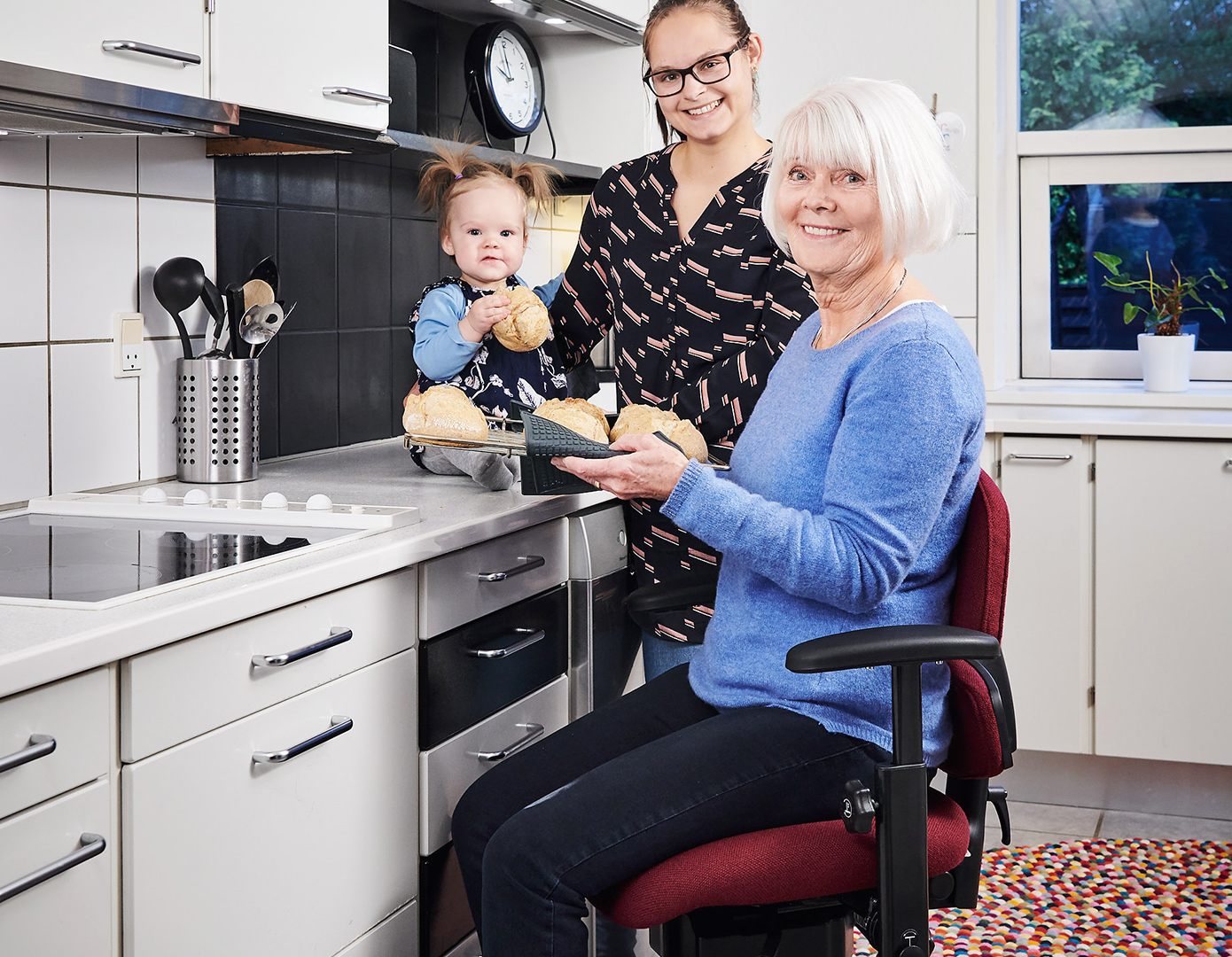
For daily at-home support, devices such as the VELA Independence Chair remain pivotal. This medically approved mobility chair is designed specifically for home use. It enhances safety, provides greater freedom of movement while seated, and supports daily activities like cooking, dressing, or transferring—ultimately reducing the burden on informal caregivers. In addition, new ergonomic and inclusive products—such as the L’Oréal SYNC touchless application device—cater to a wider spectrum of user needs, recognizing the importance of dignity and independence in all aspects of life.
Adaptive equipment such as VELA chairs not only boosts mobility but also diminishes injury risks and fosters self-reliance, illustrating the transformative nature of modern senior care. These advances present viable alternatives aligning with individual desires for autonomy.
Navigating the Future of Senior Care in Downtown Brooklyn
In conclusion, thoroughly evaluating Downtown Brooklyn’s nursing homes involves assessing each facility’s quality metrics, service offerings, and financial implications. The regulatory environment continues to evolve, with recent events bringing notable changes. As of December 2025, federal nursing home staffing mandates have been rescinded, removing the requirement for 0.55 hours of registered nurse care and 2.45 hours of nurse aide care per resident daily. This reversal, taking effect in February 2026, marks a significant shift in national policy and is expected to impact long-term care quality standards.[6]
In addition, CMS has recently updated surveyor guidance to emphasize requirements for 24/7 licensed nursing presence, more robust staffing indicators linked to resident outcomes, and detailed protocols on psychotropic medications and transfer and discharge procedures. Clarification of the medical director’s role, enhanced infection control oversight, and integration of individualized care planning all reflect a system striving for improved quality and resident-centered care.[4]
By integrating traditional care models with cutting-edge technologies and innovative solutions, families can adopt a comprehensive approach that respects both immediate and long-term needs.
By encouraging readers to balance nursing home care with alternatives like VELA chairs and a range of new assistive technologies, a well-rounded perspective is cultivated. As senior care evolves, blending conventional methods with innovative strategies remains crucial for enhancing senior living experiences. By considering these detailed care strategies and remaining informed about the latest in regulatory and technological developments, families in Downtown Brooklyn can make decisions that best support their loved ones’ long-term well-being and independence.