

Updated January 2026: We have updated the article with new information on AI-powered mobility aids, smart safety features, wearable health tech, changes in nursing home staffing regulations, and the latest advances supporting independence and quality of care for seniors in nursing and home settings.
Dry Harbor Nursing Home: A Comprehensive Overview
Located on the picturesque Dry Harbor Road in Middle Village, NY, Dry Harbor Nursing Home is esteemed for its unwavering commitment to quality care. It’s commendable that Dry Harbor maintains a sterling 5/5 rating from Medicare, reflecting the high level of trust and satisfaction among residents and their families. With an occupancy rate of 96%, the facility operates near full capacity, further affirming its reputation as a leading choice in the community. According to the Senior Service Directory and NYS Health Profiles, the facility’s high occupancy rate underscores its esteemed position.
About Dry Harbor Nursing Home & Rehabilitation Center
Founded on principles of empathy and comprehensive care, Dry Harbor Nursing Home & Rehabilitation Center stands out in elder care. Offering 360 certified beds and maintaining full operations, the facility attests to its stature within the community. According to ProPublica, the nurse turnover rate stands at 38.1%, which is below the state average, demonstrating staff satisfaction and stability.
Testimonials from residents and families consistently highlight the nurturing environment and excellent support provided by professional caregivers. For instance, one family member noted how the “staff’s attentiveness and genuine care made transitioning my father to the facility a smooth process.”
Services, Amenities, and Quality of Care
Dry Harbor is committed to holistic care, offering a variety of tailored services such as rehabilitation programs and daily wellness activities. The facility includes amenities like an arts room, library, and spa services to enrich residents’ daily lives. According to Seniorly, these features enhance the quality of life for residents. High-quality measures across various domains are maintained, as confirmed by Medicare.gov, ensuring an environment where residents can thrive.
Dry Harbor Nursing Home continues to center its care on restorative rehabilitation. This approach emphasizes physical, occupational, and speech therapies, supporting seniors in regaining independence following short-term stays. These therapy-focused practices are reinforced by regular assessments and patient-specific planning, designed to help individuals maximize their functional abilities and return to independent living whenever possible. Assisted Living Magazine
In practice, residents might engage in painting classes in the arts room or relax with tailored massages in the spa — activities that contribute to their well-being and quality of life. The emphasis on patient-centered care is evident as medical staff engage in regular assessments to personalize each resident’s care plan.
Regulatory context, quality measures, and recent oversight updates
Effective July 2025, the Centers for Medicare & Medicaid Services (CMS) revised the methodology for nursing home quality ratings. Health inspection ratings now focus on the two most recent standard surveys, instead of three, to provide a more current evaluation of facility compliance. CMS also began publishing aggregate performance data for nursing home chains, enhancing transparency for prospective residents and caregivers. Updated survey guidance, active from February 2025, includes clarified expectations regarding medical director roles, medication management, infection control, and admission agreements. These regulatory changes ensure more timely and transparent assessments of nursing homes like Dry Harbor.
CMS Regulatory Updates,
CMS Care Compare July 2025,
CMS Surveyor Guidance 2025,
CMS Appendix PP
As of February 2, 2026, there has been a significant change in staffing regulations affecting nursing homes nationwide. Medicare and Medicaid-certified nursing homes are no longer required to maintain 24/7 on-site registered nurse coverage. This policy adjustment, prompted by concerns over workforce shortages—particularly in rural facilities—alters previous minimum staffing mandates, potentially influencing the availability of on-site clinical support during nights and weekends. Facilities must evaluate their staffing models to maintain quality and safety, despite this regulatory transition.
WSJ Nursing Home Staffing Rule 2026,
CMS Staffing Update 2026
According to inspection records from early 2025, Dry Harbor Nursing Home experienced certain deficiencies related to resident care planning and abuse reporting. While these issues did not result in harm to residents, they underscore the ongoing challenge of meeting evolving quality standards. The facility’s response to these findings aims to strengthen internal processes and reinforce compliance with the latest CMS requirements.
ProPublica Inspection Records,
Medicare.gov Inspections
Bridging Facility Care and Home Independence
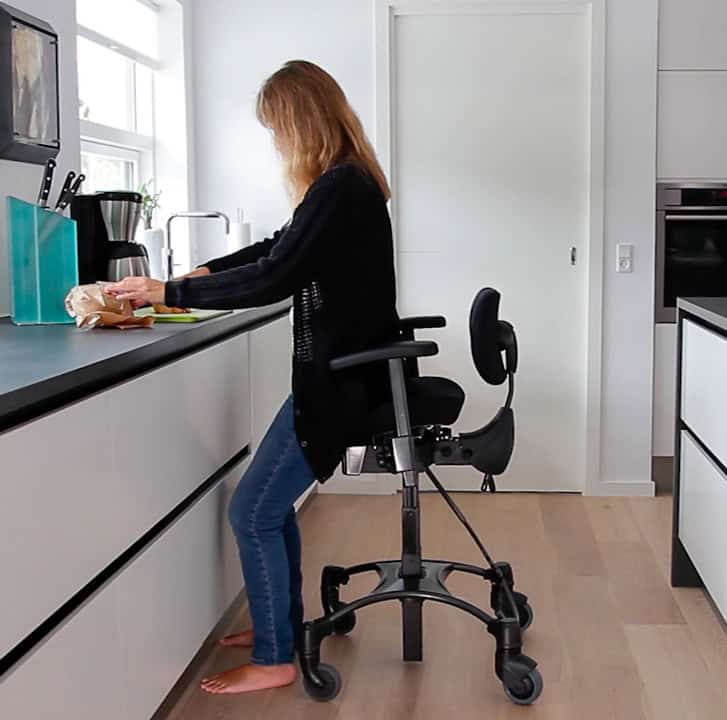
While nursing homes like Dry Harbor provide essential care for many, some individuals seek solutions that allow older adults to maintain independence longer in their own homes. For these individuals, specialized equipment and supportive living arrangements can be key. The VELA Independence Chair, a medically approved mobility chair, offers enhanced safety and freedom of movement while seated. It supports daily activities such as cooking or dressing and assists in transferring, thereby easing the load on informal caregivers.
Emerging trends in assistive technology and ergonomic solutions
Recent advances in assistive technology and senior rehabilitation are reshaping nursing home care and supporting independence. As of 2026, the industry is seeing widespread adoption of AI-enabled mobility aids, such as smart wheelchairs and walkers equipped with advanced sensors that detect obstacles, monitor terrain, and assess user stability in real time, all reducing the risk of falls. Many devices now feature voice-activated controls, allowing seniors with limited hand mobility to operate equipment and interact with home systems hands-free. Smartphone connectivity enables caregivers to receive real-time alerts and adjust device settings remotely, further enhancing safety and support. Bathroom safety has also advanced, with smart grab bars featuring pressure sensors and anti-slip coatings equipped with embedded lighting, assisting residents during daily care routines. Wearable health devices and remote patient monitoring systems are now commonly used to provide caregivers and clinical teams with continuous health data, improving early detection of health changes and supporting timely intervention.
SynchronyFL,
Everything Medical Online,
Heisinger Bluffs Realty,
HomeCare Mag, 2026
Care delivery in nursing homes is increasingly benefiting from the integration of AI to support diagnostics, administrative tasks, and risk assessments, allowing clinicians to devote more time to direct patient interaction. AI-powered tools also assist with behavioral pattern analysis to identify residents at higher risk for falls and to improve medication adherence. Telehealth-enabled durable medical equipment provides care teams with ongoing insights into both device use and resident health status, ensuring more comprehensive and proactive care planning. Facilities are also focusing on person-centered care models that prioritize individualized routines, promote resident choice, and leverage wellness-oriented designs—such as natural lighting and accessible green spaces—to support holistic well-being.
UnitedHealthcare Community & State,
Justice in Aging,
Modern Healthcare, 2026
Mobility aids have advanced to become even more customized and adaptive. Powered exoskeletons, smart walkers, and intelligent wheelchairs now use sensors, artificial intelligence, and ergonomic design to enhance both comfort and support, while facilitating greater autonomy and help in daily living tasks. These developments are presenting nursing homes—including Dry Harbor—with new opportunities to reduce falls, improve rehabilitation, and support safer movement for all residents.
Senior Care Tech 2026
Choosing a Nursing Home in Middle Village, NY
When selecting a nursing home, several factors come into play, such as location, cost, and the range of services offered. Dry Harbor stands out not only due to its impressive occupancy and low staff turnover rates but also because it meets and often exceeds local care standards. More insights can be gathered from NYS Health Profiles and CMS/Industry Outlook. For families, choosing the right facility involves creating a checklist to evaluate facilities on care quality, service range, and financial feasibility.
Cost, Payment Options, and Financial Considerations
The financial aspects of skilled nursing care in NYC can be daunting. Dry Harbor accommodates financial needs by accepting both Medicare and Medicaid, making it a viable option for many families. For more information, refer to the Senior Service Directory. Planning ahead financially helps smooth the transition, as reflected in family testimonials that emphasize the significance of understanding available benefits and managing costs.
Exploring Alternatives to Nursing Homes
In exploring alternatives to nursing homes, the VELA Independence Chair is a noteworthy option for those who value autonomy but require additional support at home. By providing essential features such as a central brake for safety, electric height adjustability, and ease of movement while seated, the VELA Chair helps individuals maintain independence. With such mobility aids supporting independent living, seniors can experience a sense of freedom and safety, prolonging their ability to live autonomously.
The design of the VELA Chair allows for smooth transitions, from cooking and cleaning to relaxing in a secure, comfortable manner. Users of the chair benefit from reducing caregiver burdens while accomplishing daily tasks with dignity and ease. This adaptation in household environments has the potential to delay or even negate the immediate need for a nursing home, encapsulating a practical, supportive approach to aging in place.